


Fleet safety used to be simple.
You tracked vehicles.
You checked speed.
You reviewed footage after something went wrong.
But fleets don’t operate in that world anymore.
Drivers are under pressure. Routes are tighter. Traffic is unpredictable. And one moment of fatigue or distraction can undo months of operational discipline. That’s why AI video telematics is no longer a “nice-to-have”—it’s becoming essential.
Instead of reacting to incidents, fleets are now learning to see risk before it turns into damage. And that shift is changing how safety is managed on Indian roads.
What Is AI Video Telematics—Really?

Let’s strip away the jargon.
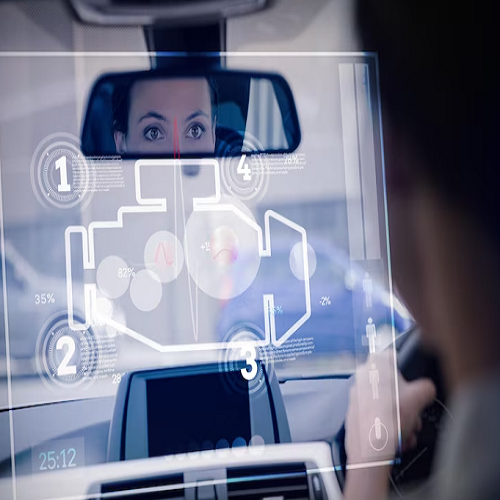
AI based video telematics is not just a camera stuck inside a vehicle. It’s a system that watches, understands, and flags risky behaviour as it happens.
The cameras capture video, yes.
But AI in video telematics is what makes sense of that footage.
It notices when a driver’s eyes stay closed a second too long.
It catches repeated harsh braking on a familiar route.
It recognises distraction patterns that humans usually miss.
Instead of dumping hours of footage on a manager’s desk, video telematics systems turn real driving moments into clear, usable safety insights.
How AI Video Telematics Systems Actually Work on the Road

In real-world fleet operations, things need to work without drama. That’s where modern video telematics software fits in quietly.
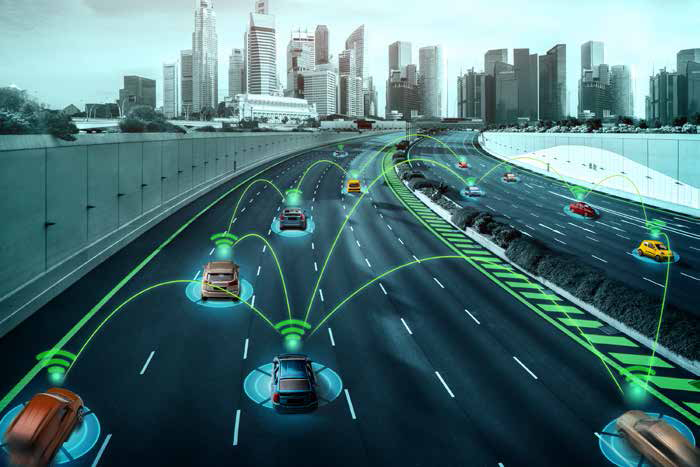
Cameras inside and outside the vehicle continuously observe driving conditions. AI models process this data in real time—often right inside the vehicle itself. When something risky happens, the system records the event, tags it, and sends only what matters to the dashboard.
No endless scrolling.
No manual filtering.
Just context.
This is why video telematics for fleets scales well—even when the fleet grows fast.
Why Traditional Fleet Safety Tools Aren’t Enough Anymore

Most legacy safety tools are built for reporting, not prevention.
They tell you what happened.
They rarely tell you why.
And they almost never tell you what might happen next.
Manual review takes time. GPS-only data lacks context. Basic dashcams capture incidents but don’t interpret them. That leaves gaps—especially when managing large or distributed fleets.
This is where AI video telematics changes the equation by shifting safety from reactive to proactive.
What Conventional Video Telematics Software Misses

Traditional video telematics software records everything—but understands very little.
Without AI:
- Risky behaviour blends into normal driving
- Coaching becomes subjective
- Patterns across drivers stay hidden
With AI based video telematics, the system prioritises what matters most. It highlights repeat behaviours, flags emerging risks, and helps managers focus on prevention rather than punishment.
How AI Brings Real Intelligence to Fleet Safety

The biggest advantage of AI in video telematics is timing.
Real-Time Driver Behaviour Detection
Instead of reviewing footage days later, fleets get alerts while the vehicle is still on the road. A driver drifting lanes. Signs of fatigue. Sudden aggressive manoeuvres. All identified early enough to intervene.
Predictive Safety Insights That Actually Help
Over time, AI video telematics learns patterns. Certain routes. Certain shifts. Certain behaviours that often lead to incidents.
That’s when safety becomes strategic—not just operational.
Fleet Safety Problems AI Video Telematics Solves Daily

Most fleet incidents aren’t random. They’re repeated behaviours left unchecked.
Fatigue, Distraction, and High-Risk Driving
Long hours. Familiar routes. Routine complacency. Video telematics systems spot these early signs—before a mistake becomes an accident.
Clear Incident Evidence When It Matters
When incidents do occur, video telematics for fleets provides context, not assumptions. That protects drivers, speeds up claim resolution, and reduces disputes.
Why Fleet Operators Are Seeing Real ROI

Fleets that adopt AI video telematics don’t just feel safer—they see measurable change.
Fewer Accidents and Less Downtime
Early risk detection means fewer collisions, faster interventions, and vehicles spending more time on the road where they belong.
Driver Coaching That Feels Fair
Because insights come from data, not opinion, conversations change. Drivers understand feedback better. Managers coach with clarity. Accountability becomes shared, not enforced.
This is where video telematics software quietly improves culture, not just compliance.
What to Check Before Choosing an AI Video Telematics Solution
Not every system delivers the same value. When evaluating AI video telematics, fleets should look beyond features.
What Actually Matters
- Consistent AI accuracy
- Easy installation across vehicle types
- Scalable architecture
- Strong privacy and data controls
The right video telematics systems grow with your fleet, not against it.
The Future of Fleet Safety Starts with Intelligence

Fleet safety is no longer about watching drivers—it’s about supporting them.
AI video telematics enables fleets to move from damage control to risk prevention, from manual oversight to intelligent decision-making.
Platforms like those developed by Novus Hi-Tech show how real-time visibility, predictive alerts, and practical insights can help fleets operate safer, smarter, and with greater confidence—especially at scale.
The fleets that adapt now won’t just reduce accidents.
They’ll redefine what responsible operations look like.