



A few years ago, if you asked someone what fleet technology meant, the answer was simple. GPS tracking. Fuel reports. Maybe a monthly performance sheet.
That definition doesn’t survive in 2026.
Fleet technology is central to the ability of fleets to operate profitably, safely and effectively. Fleet technology has an impact on the ability of a driver to get home safely, the ability of a vehicle to break down while en route, and the ability of businesses to incur or mitigate unnecessary risk.
What changed wasn’t just the tools. What changed was the pressure.
More vehicles on the road. Fewer drivers. Tighter compliance. Rising costs. And very little tolerance for mistakes.
That’s the environment shaping fleet technology right now.
Fleet Technology Evolution in 2026
Fleet operations have become messy. Not inefficient—messy.
Vehicles don’t operate in clean, predictable conditions anymore. Routes change. Traffic behaves unpredictably. Drivers deal with fatigue, distractions, and tighter timelines. On top of that, fleet managers are expected to know everything in real time.
Older fleet management technology was never built for this level of complexity. It worked when delays were acceptable and safety reviews happened after incidents.
In 2026, that model fails.
Modern fleet technology is built around one core idea: reduce uncertainty.
It does that by connecting vehicles, drivers, and decision-makers continuously. Instead of asking “what went wrong?”, fleets now ask “what’s about to go wrong?”—and act before it happens.
That mindset shift matters more than any single feature.
Role of AI in Fleet Operations
AI didn’t enter fleet operations with grand promises. It crept in quietly.
First, it helped analyse driving data. Then it flagged patterns. Now, it actively shapes how fleets operate.
Artificial Intelligence for Smarter Fleet Decisions
In 2026, artificial intelligence doesn’t replace fleet managers. It supports them.
AI looks at things humans don’t have time to correlate—driver behaviour over weeks, vehicle stress patterns, route inefficiencies, and near-miss events that never make it into reports.
This allows fleet management technology to move beyond static dashboards.
Instead of staring at data, managers get direction.
What needs attention today.
Which vehicle is becoming a liability.
Which driver needs support, not punishment.
That’s where AI becomes useful—not as automation, but as clarity.
AI-Powered Fleet Safety Systems
Safety is where AI earns its place.
AI-powered fleet safety systems don’t wait for accidents. They notice the small things. Slightly delayed reactions. Repeated harsh braking. Subtle lane drift.
Individually, these signs don’t mean much. Together, they tell a story.
In fleets using AI-powered fleet safety, interventions happen earlier. Drivers are coached sooner. Risks are reduced quietly, without escalation.
By 2026, this kind of safety intelligence is becoming the difference between reactive fleets and resilient ones.
AI Assisted Fleet Systems
Autonomy in fleets is often misunderstood.
It’s not about removing drivers. It’s about reducing exposure to risk.
Rise of ADAS in Fleets
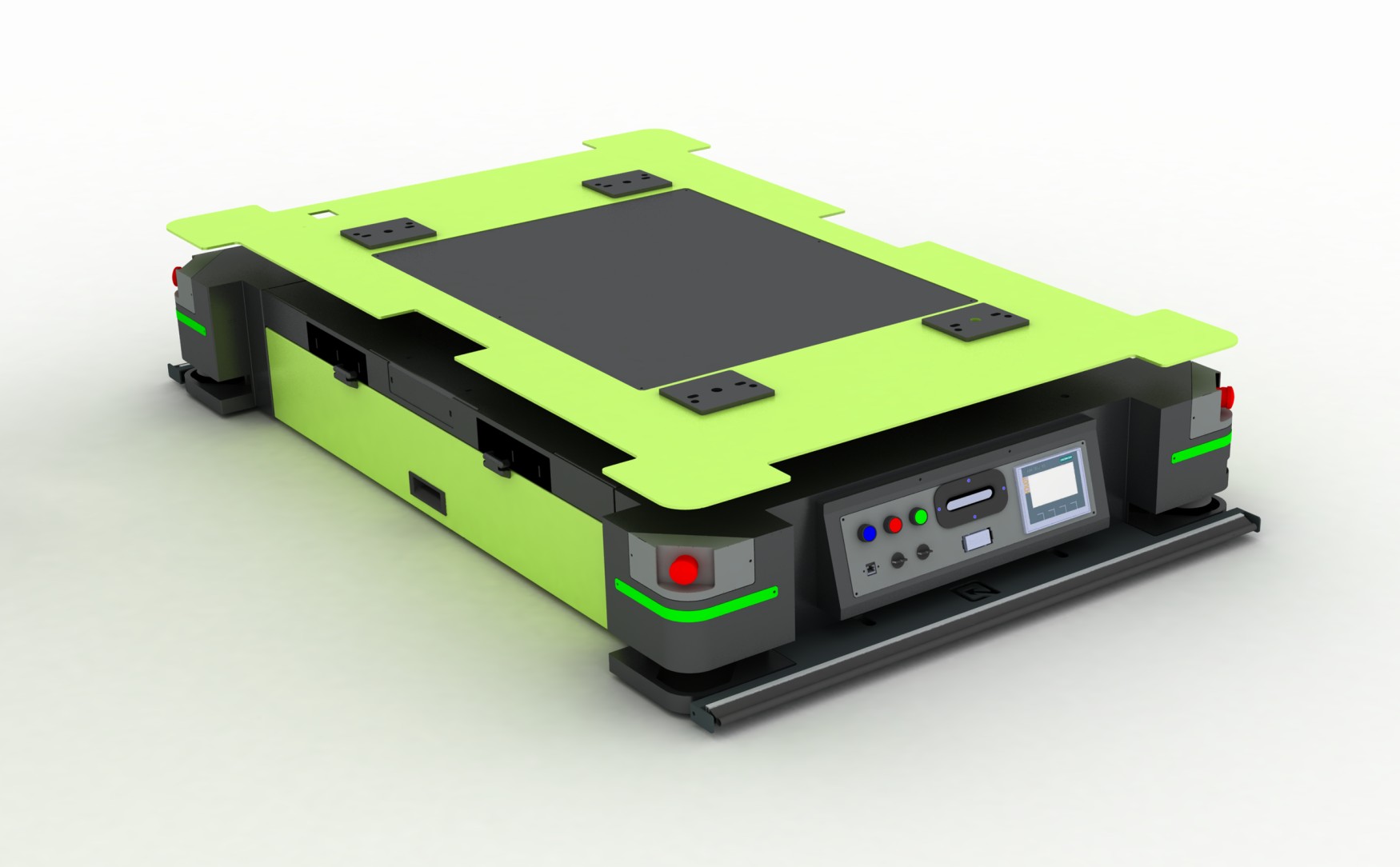
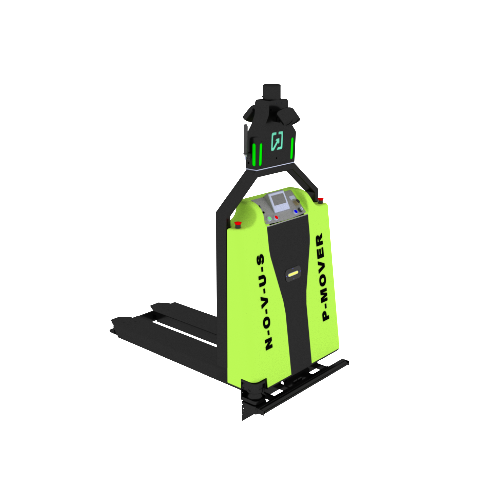
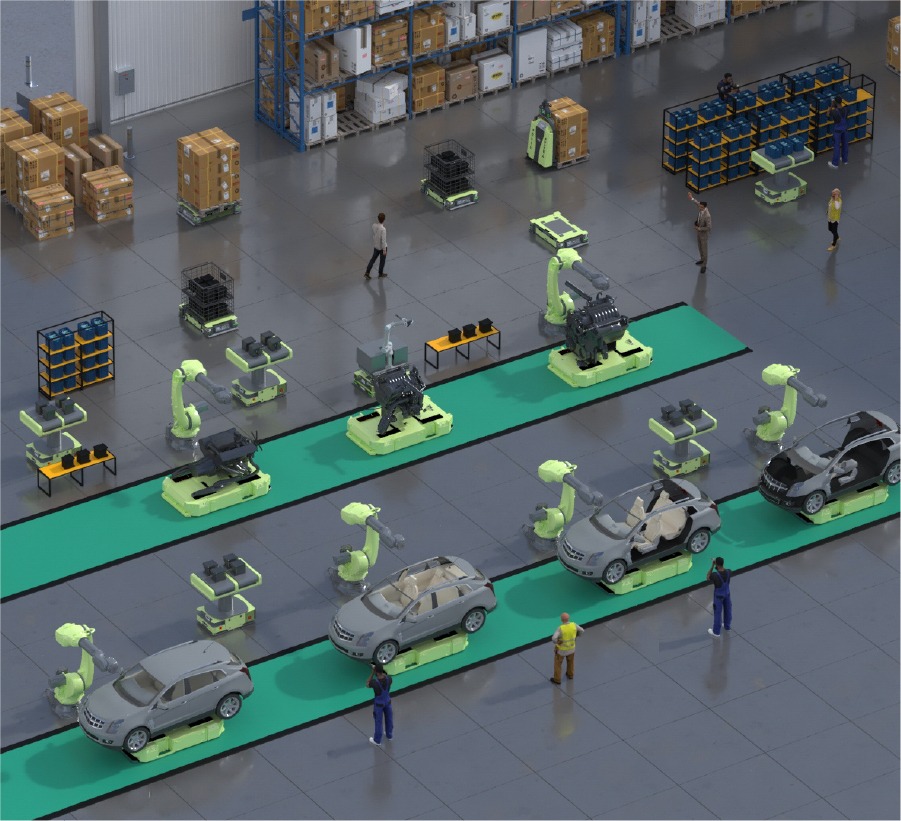
The Rise of ADAS in fleet environments is happening where control already exists.
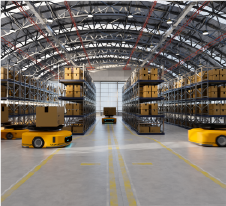
Yards. Warehouses. Fixed internal routes. Repetitive movement.
These are places where autonomous vehicles actually make sense. They reduce fatigue, eliminate predictable errors, and operate consistently.
Most fleets are not chasing full autonomy. They are adopting autonomy where it removes friction and improves safety—nothing more, nothing less.
That practicality defines fleet adoption in 2026.
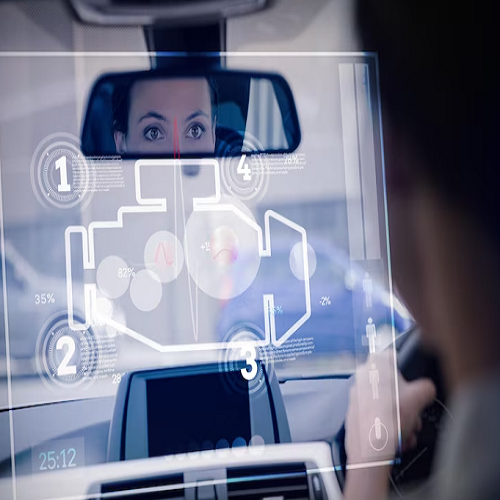
If there’s one technology that drivers actually appreciate, it’s ADAS for fleets.
Advanced Driver Assistance Systems don’t feel intrusive when implemented correctly. They act as a second set of eyes—especially during long shifts or high-stress conditions.
Collision warnings. Blind-spot alerts. Fatigue detection.
ADAS for fleets doesn’t control drivers. It supports them.
And by 2026, fleets without ADAS struggle—not just with safety metrics, but with driver trust.
Connected and Data-Driven Fleets
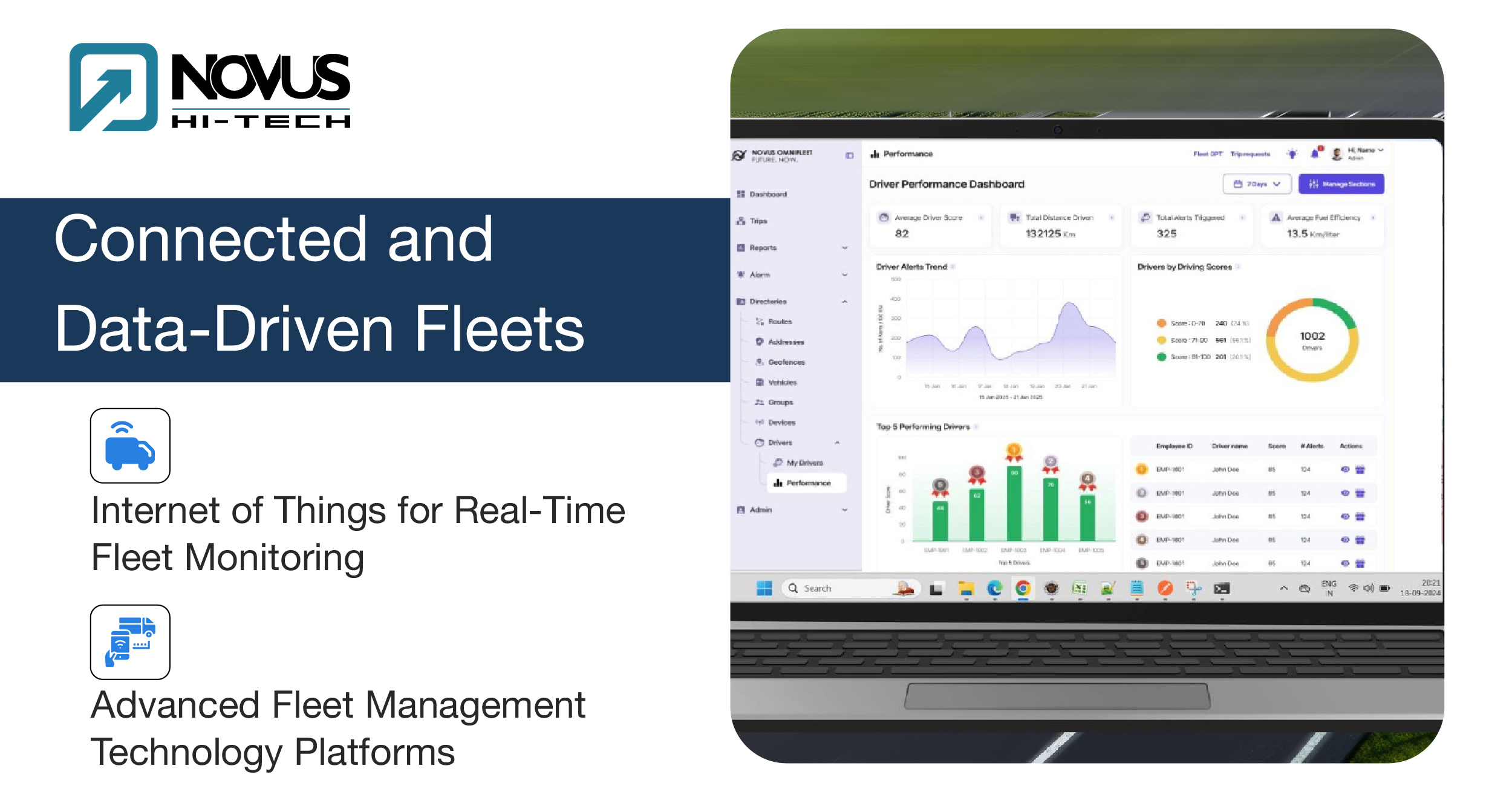
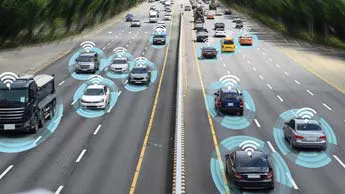
Connectivity is what turns vehicles into systems instead of assets.
Internet of Things for Real-Time Fleet Monitoring
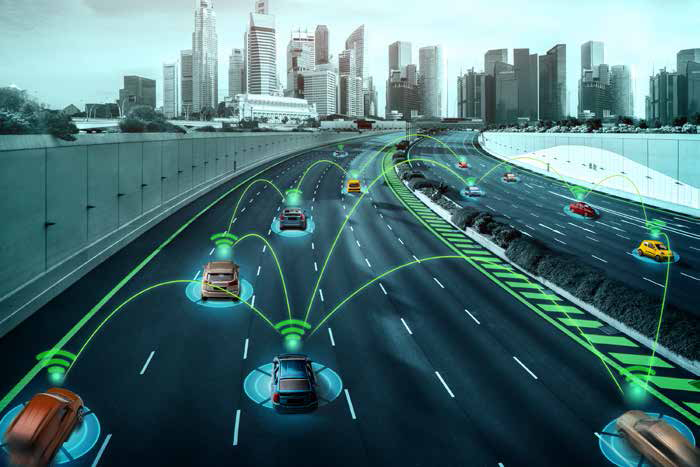
IoT sensors provide constant feedback—engine health, location, fuel usage, driving behaviour.
This isn’t about surveillance. It’s about awareness.
When something changes mid-route, fleet managers know immediately. They don’t wait for phone calls or end-of-day summaries.
In 2026, real-time awareness isn’t a competitive advantage. It’s a baseline expectation.
Advanced Fleet Management Technology Platforms
The real shift happens at the platform level.
Modern fleet management technology platforms don’t just collect data—they filter it. They surface what matters and suppress what doesn’t.
Instead of drowning managers in numbers, they highlight risk, inefficiency, and opportunity.
That’s what makes these platforms usable in the real world.
Security, Transparency, and Sustainability
As fleets become digital, responsibility increases.
Blockchain for Fleet Transparency
Blockchain solves a simple but critical problem—trust.
Maintenance records, compliance data, and operational logs stored on blockchain systems can’t be quietly altered. This matters in audits, investigations, and regulated environments.
For fleets operating at scale, transparency protects everyone involved.
Cybersecurity in Fleet Technology
Connectivity without security is a liability.
In 2026, cybersecurity is embedded into fleet technology from the start. Encrypted communication, controlled access, and system monitoring are no longer optional add-ons.
A fleet breach doesn’t just affect data. It affects operations.
Sustainability Through Green Fleet Solutions
Sustainable Practices within Fleet Management isn’t just a marketing term anymore…
Fleet management technology supports fleets by improving fuel efficiency, tracking emissions, optimising routes, and increasing electric vehicle (EV) use. In addition, fleet management technology helps fleets reduce costs through tools that allow for better management of their budgets, while also ensuring fleets meet their operational and environmental performance goals.
A Green Fleet Is Just an Efficiently Managed Fleet!
Conclusion: Preparing for 2026
Fleet operations in 2026 are shaped by intelligence, not size.
The fleets that perform well are the ones that invest early in connected systems, AI-powered fleet safety, ADAS for fleets, and scalable fleet management technology.
Organizations like Novus Hi-Tech play a role here by enabling fleets to adopt safety-first, data-driven solutions that work in real operating conditions.
Fleet technology is no longer background infrastructure.
It’s a leadership decision.