



Introduction
For most Manufacturing Organizations, the problem isn’t so much about having Technology Gaps, but rather about how they create Flows. Something always seems to be missing: materials might be at one end of the line but machines may not be ready; conversely, machines are often fully operational yet have nothing to process which results in a backlog in another area of production.
As a result of this flow inconsistency, manufacturers utilize their teams to resolve the problems for the day, but soon thereafter find themselves in the same position having to address that same issue again the following day. At this time, when the required manual interventions become a habit, Industrial Robots are typically included in the discussion.
Not because management suddenly wants automation. But because manual coordination stops scaling after a point. And once production volumes rise, even good teams struggle to keep things moving smoothly.
Over the last decade, industrial robots—along with Automated Guided Vehicles (AGVs) and Autonomous Mobile Robots (AMRs)—have quietly changed how factories think about production workflows. Not dramatically overnight. Gradually. One bottleneck at a time.
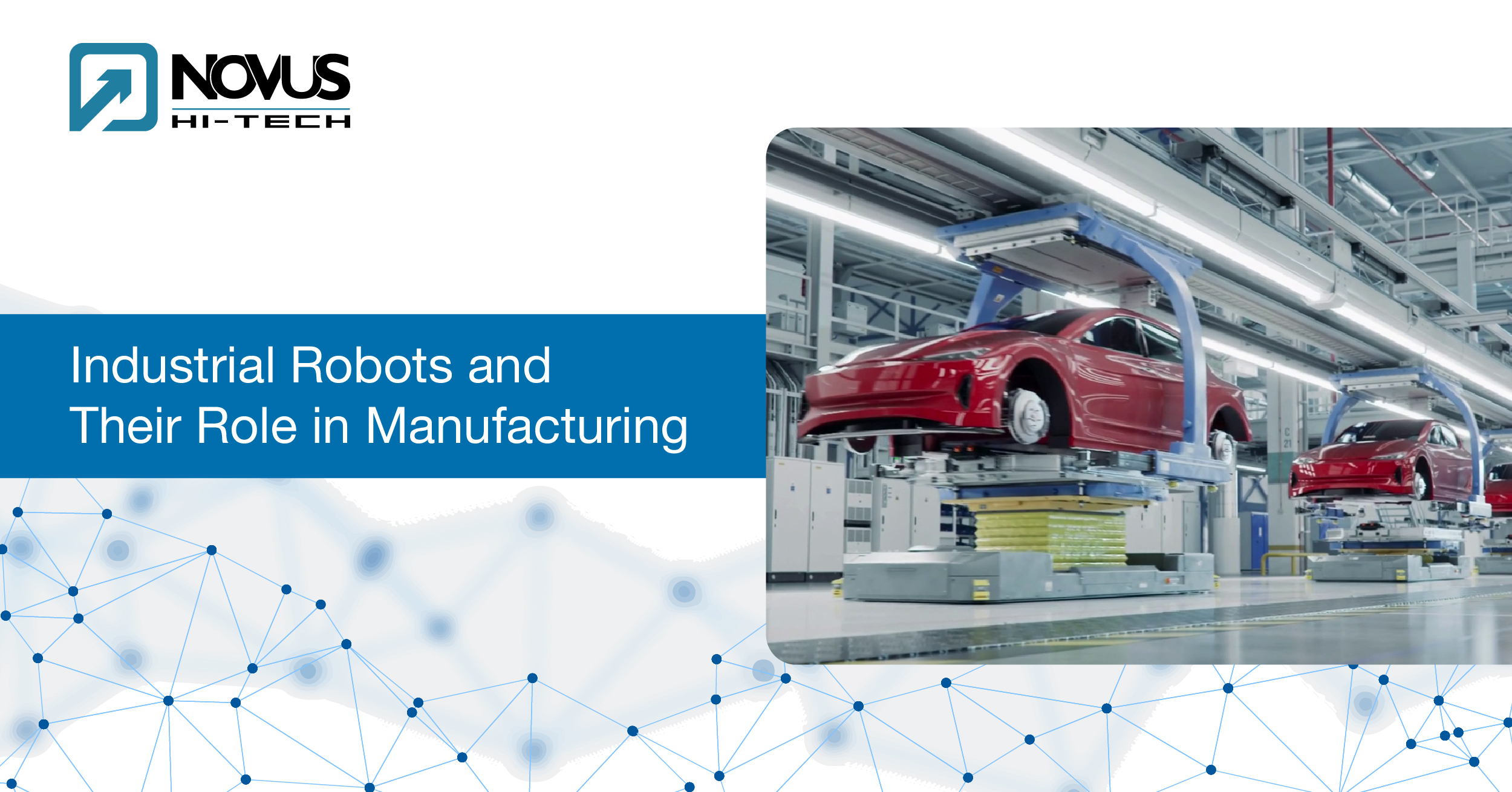
Industrial Robots and Their Role in Manufacturing
Let’s clear one thing up.
Industrial robots are not magic productivity machines.
They don’t fix bad layouts.
They don’t solve poor planning.
They don’t replace thinking.
What they do is remove variability from tasks that shouldn’t have variability in the first place.
Once a task is repetitive, physically demanding, or timing-sensitive, humans struggle to do it exactly the same way for eight or ten hours straight. Industrial robots don’t struggle with that. They’re boring—and that’s their biggest advantage.
This is why industrial robots are now common in factories that care about quality consistency, predictable output, and stable operations. Especially where production cannot afford surprises.
How Industrial Robots Streamline Production Workflows
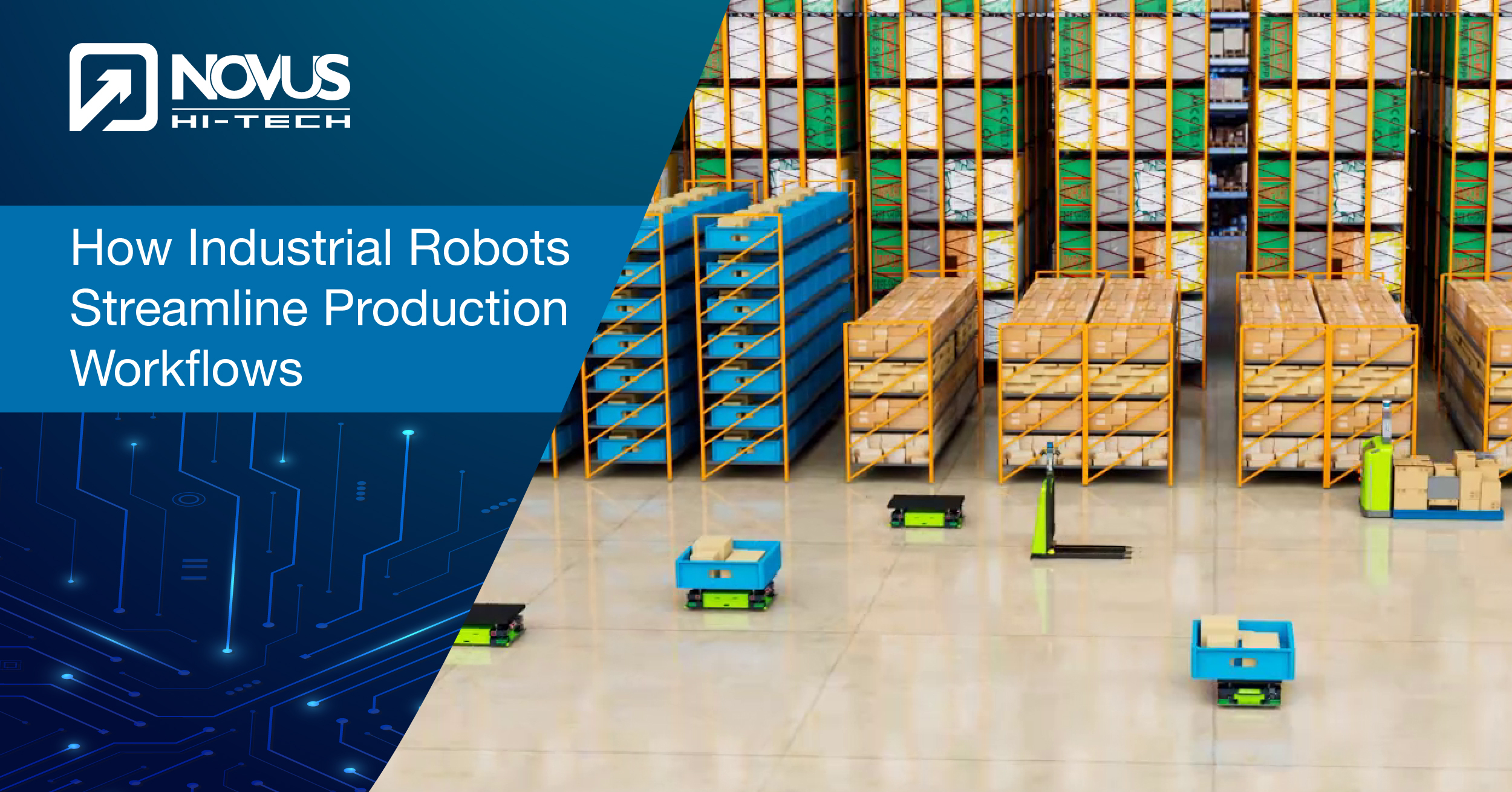
One misconception I hear often is that robots are installed to make things faster. Speed is a side effect. Flow is the real gain.
Most production delays don’t happen because tasks take too long. They happen because tasks happen at the wrong time.
Industrial robots help by:
- Doing tasks at the same cycle time, every shift
- Reducing dependency on manual handoffs
- Keeping upstream and downstream processes aligned
When robots take over predictable tasks, supervisors stop firefighting and start managing flow. That’s when production lines stop feeling “fragile.”
Factories that get this right don’t talk about robots anymore. They talk about how calm the floor feels.
Core Industrial Robots Used in Factory Automation
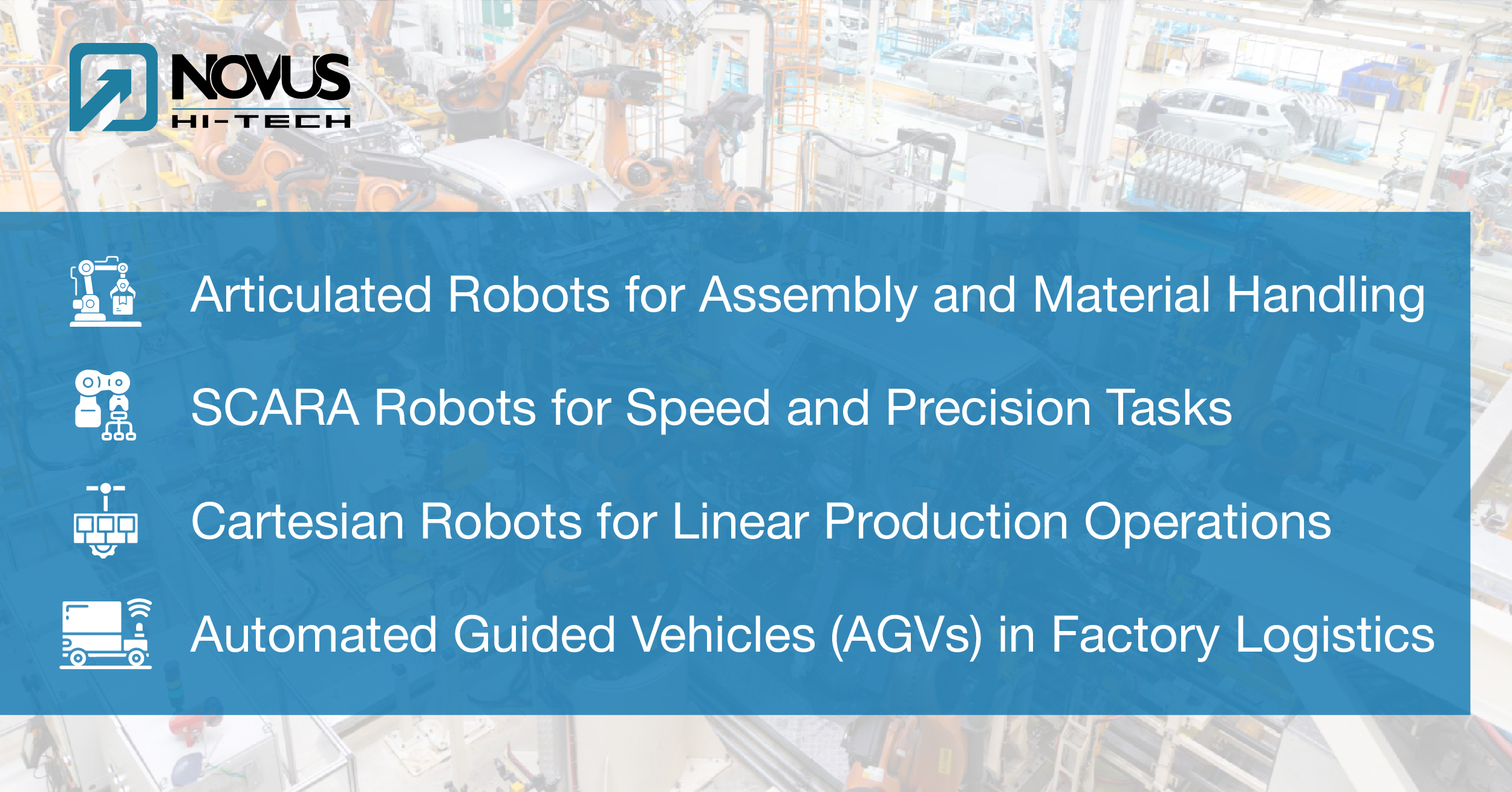
Different robots exist because factories have different problems. Anyone trying to use one robot type everywhere usually learns the hard way.
Articulated Robots: The Flexible Workhorses
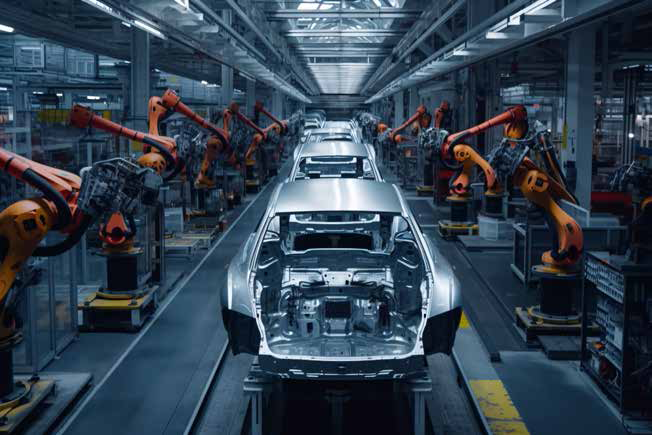
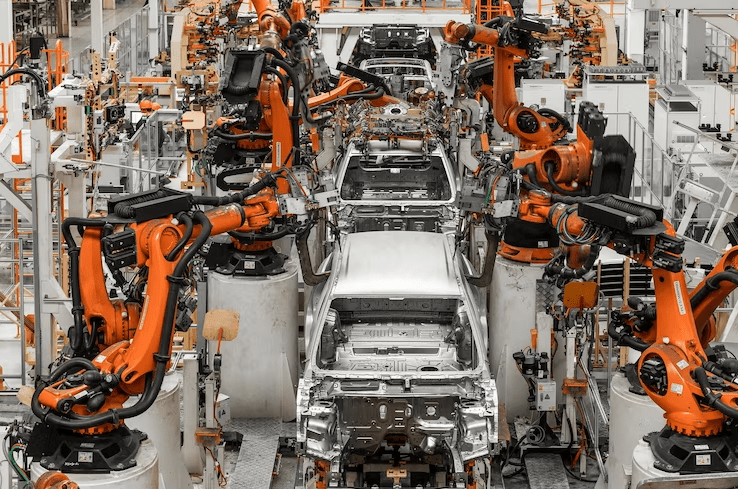
Articulated robots are everywhere for a reason. They bend, rotate, and reach like a human arm—except they don’t get tired or inconsistent.
They’re used for assembly, welding, palletizing, and material handling. Their biggest strength is flexibility. When product variants change or layouts evolve, articulated robots adapt without major redesign.
That’s why they’re often the first choice in complex production environments.
SCARA Robots: Built for Repetition at Scale
SCARA robots don’t try to be flexible. They’re fast, precise, and stubbornly consistent.
You’ll usually find them in electronics, packaging, or high-volume assembly. If a task needs to be repeated thousands of times with near-zero deviation, SCARA robots do it better than anything else.
Factories use them when errors are expensive and speed matters more than reach.
Cartesian Robots: Simple, Predictable, Reliable
Cartesian robots move in straight lines. That’s it. And that’s exactly why many factories like them.
They’re used in machine tending, inspection, and linear packaging operations. Easy to program. Easy to maintain. No unnecessary complexity.
In automation, boring often wins.
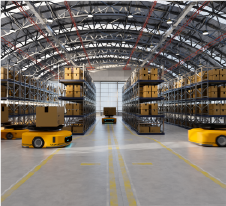
Automated Guided Vehicles (AGVs) in Factory Logistics
Production doesn’t only depend on machines. Materials need to move—constantly.
This is where Automated Guided Vehicles (AGVs) make sense.
AGVs work best in factories where movement patterns are stable. Same routes. Same destinations. Same schedules.
AGVs for Structured Material Movement
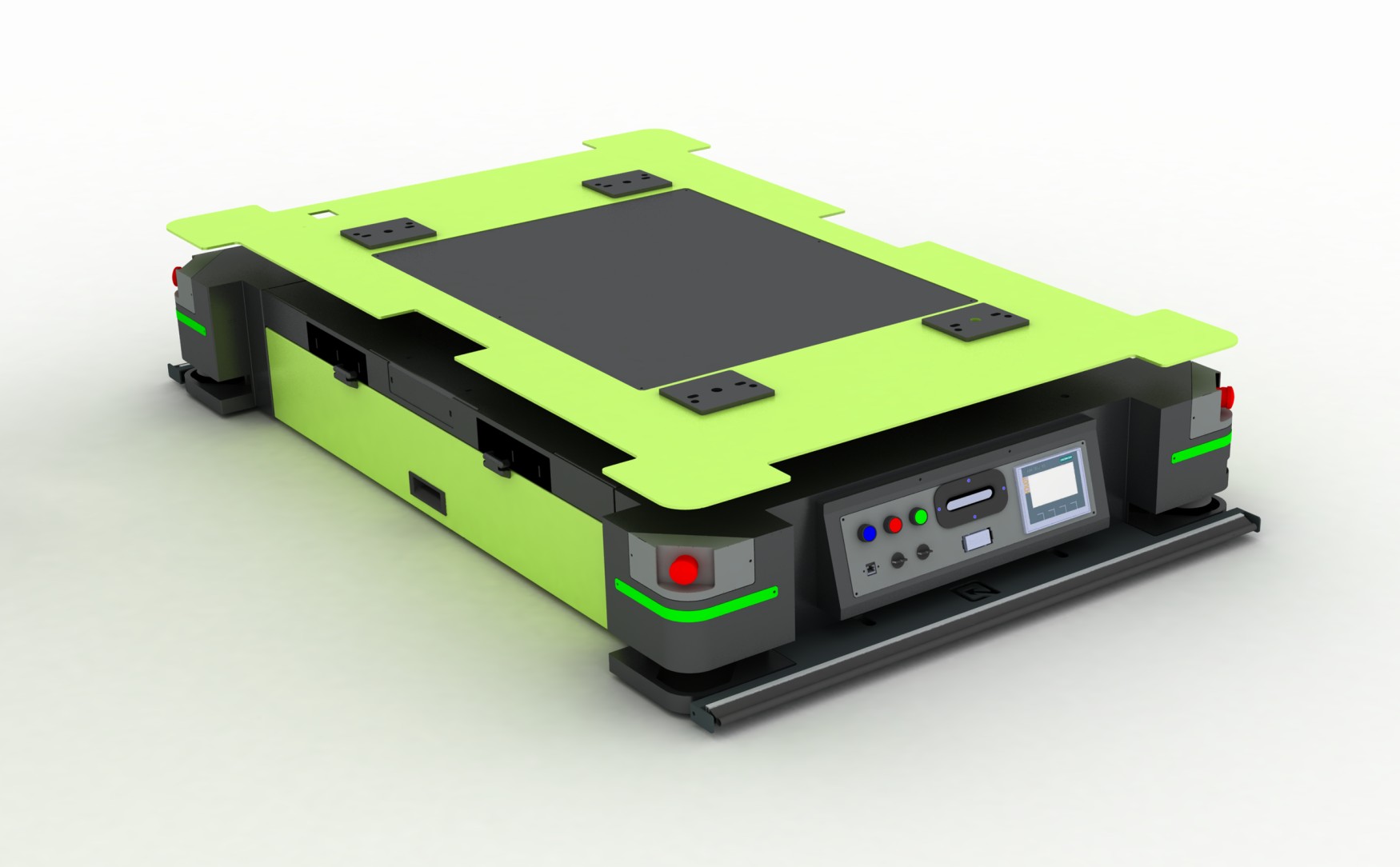
AGVs follow predefined paths. They don’t think. They don’t adapt much. But they are reliable.
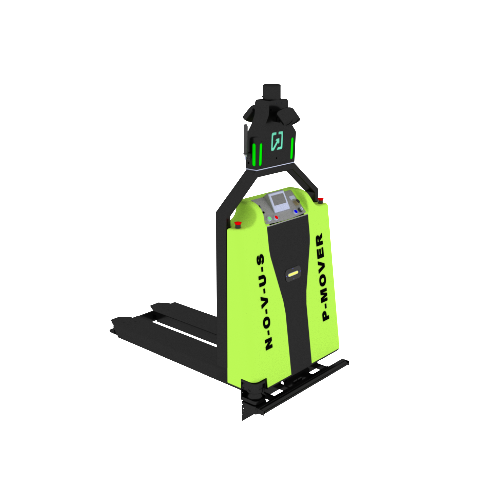
Factories use AGVs to move pallets, bins, or raw materials between fixed points. Compared to forklifts, they reduce accidents, improve scheduling accuracy, and remove dependence on manual drivers.
If your layout doesn’t change often, AGVs quietly do their job without drama.
Autonomous Mobile Robots (AMRs) in Dynamic Workflows
Factories today are rarely static. Lines move. Volumes fluctuate. Humans and machines share space.
That’s why Autonomous Mobile Robots (AMRs) are getting more attention.
AMRs don’t follow fixed routes. They sense, decide, and move accordingly.
AMRs for Flexible and Scalable Factory Operations
AMRs shine when:
- Layouts change
- Traffic is unpredictable
- Scaling is expected
If a path is blocked, AMRs reroute. If a workstation moves, they adapt. This flexibility is why many modern factories use AMRs alongside traditional systems.
They don’t replace AGVs everywhere—but where flexibility matters, AMRs outperform.
Advantages of Industrial Robots in Production Lines
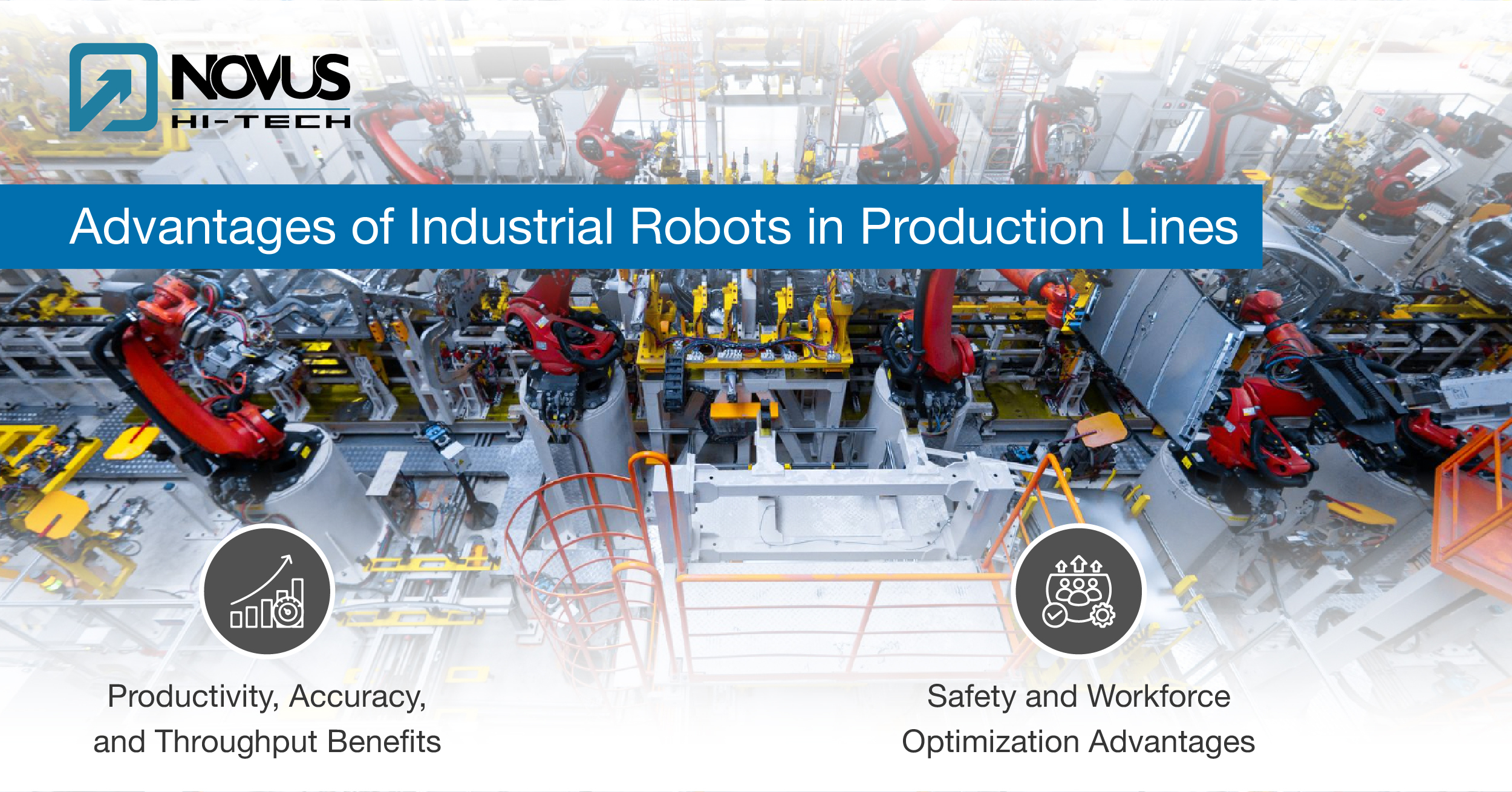
The advantages of industrial robots are rarely just about numbers on a spreadsheet.
Productivity, Accuracy, and Throughput Benefits
Robots don’t rush. They don’t improvise. They don’t get distracted. Over time, that consistency leads to fewer defects and more predictable output.
Factories notice this not in week one—but over months.
Safety and Workforce Optimization Advantages
Robots take over tasks people shouldn’t be doing long-term—heavy lifting, repetitive motions, hazardous operations.
What actually happens next is interesting. People don’t disappear. They move into roles where experience matters—monitoring, quality control, optimization.
Good automation doesn’t remove people. It removes unnecessary strain.
Industrial Automation Solutions for Smart Factories
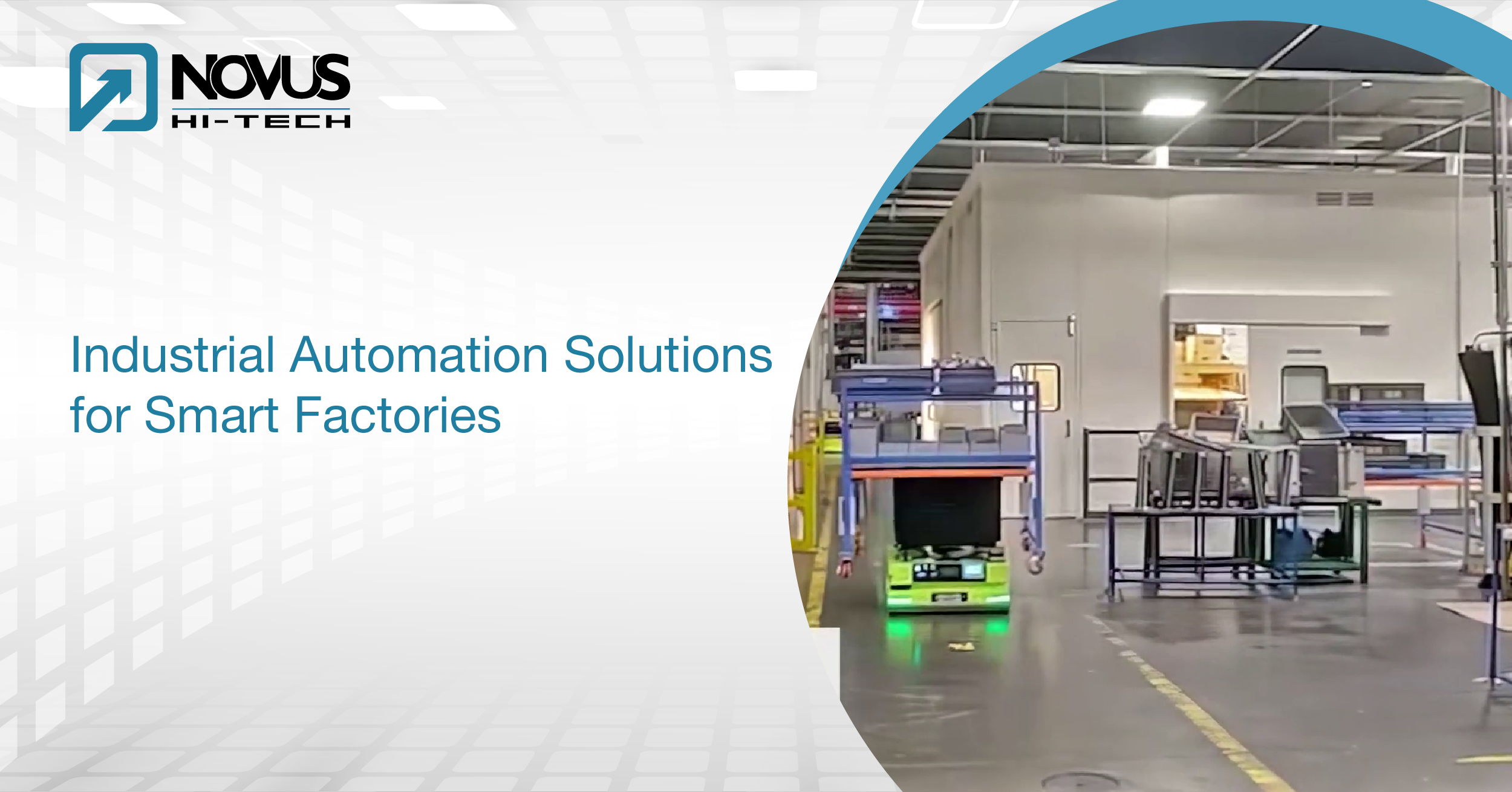
Automation fails when it’s treated like a one-time project.
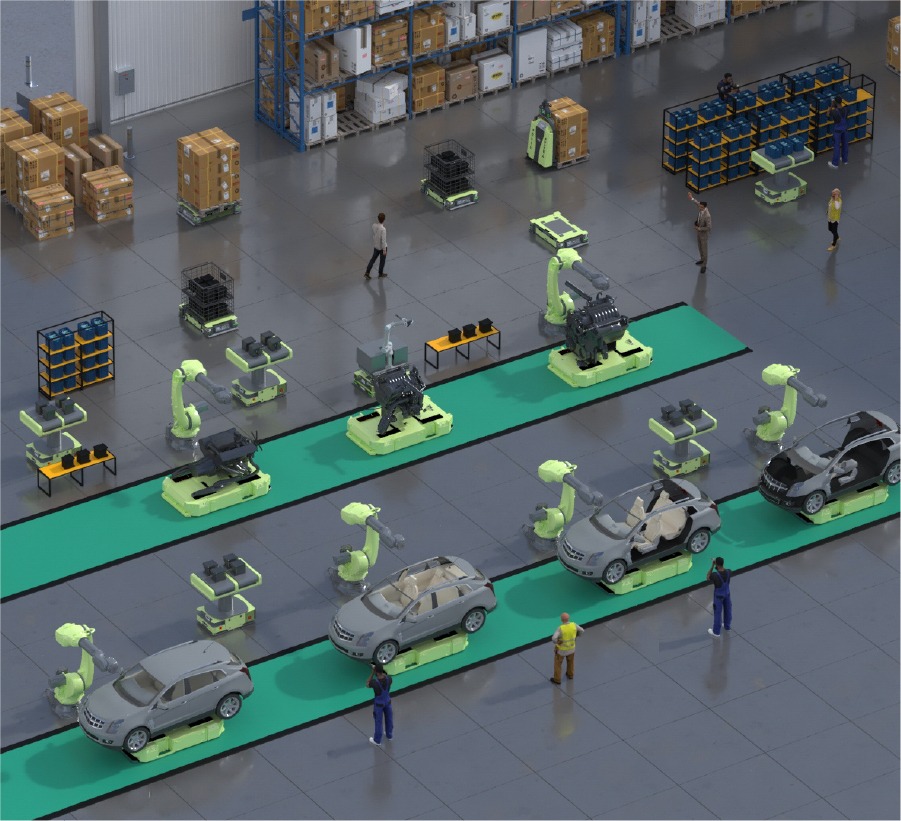
Real industrial automation solutions for factories are designed as systems. Robots, AGVs, AMRs, software, and people are all connected. Data flows. Decisions improve. Maintenance becomes predictable instead of reactive.
Factories that think this way don’t “install robots.”
They redesign how work moves.
Choosing the Right Industrial Robots for Your Factory
There is no perfect robot. There is only the right robot for a specific workflow.
This is where partners with real deployment experience matter. Novus Hi-Tech works with manufacturers by first understanding how production actually runs—not how it looks on paper.
By aligning robot selection with real workflows, factories avoid overengineering and build automation that scales without friction.