








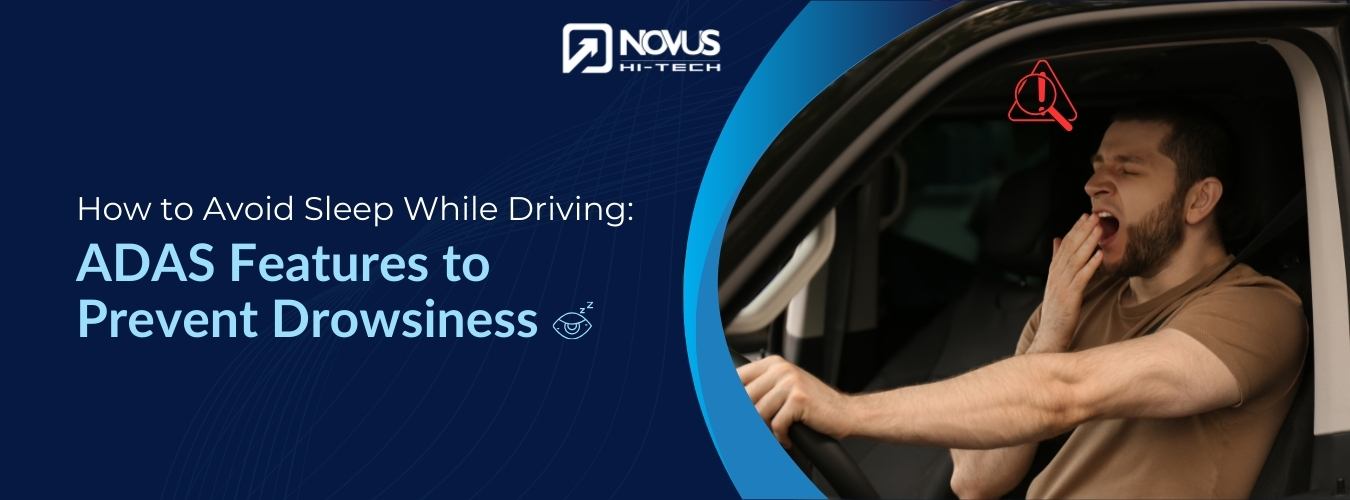
Let’s start with something honest.
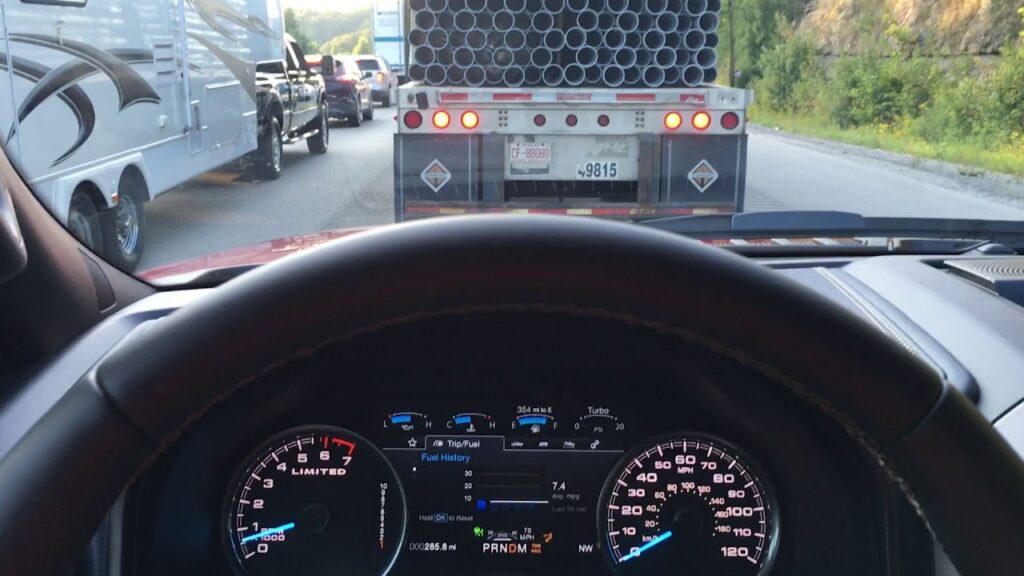
If you’ve driven long enough, you’ve probably scared yourself at least once.
Not because of traffic.
Not because of speed.
But because, for a split second, your brain checked out.
You didn’t fall asleep fully.
You just… drifted.
And that’s the part people don’t talk about enough. Drowsy driving isn’t always dramatic. It’s quiet. It’s subtle. It’s the kind of danger that doesn’t feel dangerous until it already is.
Driving today isn’t optional for most people. It’s work. It’s my responsibility. It’s night shifts, early mornings, long highways that all start to look the same after a while. And when your body gets tired, it doesn’t ask for permission.
It just slows you down.
That’s why conversations around how to avoid sleep while driving aren’t just “safety advice.” They’re survival advice.
What Being Tired Actually Does to You Behind the Wheel
Here’s the thing about fatigue—it lies.
You think you’re fine.
You feel alert enough.
Until you’re not.
Your reaction time drops first. Then your focus. Then your ability to judge distance, speed, and risk. Studies have shown that being awake for 18 hours straight affects your driving almost the same way alcohol does—around a 0.05% BAC. But nobody treats tired driving with the same seriousness.
Most people only notice when:
- They can’t stop yawning
- Their eyes keep burning or watering
- The car gently drifts within the lane
- They suddenly realise they missed a turn
By then, fatigue has already taken control.
If you’re asking how to avoid sleep while driving a car, the uncomfortable truth is this: willpower alone doesn’t work.
The Stuff Everyone Tries (And Why It Doesn’t Really Help)
Let’s be real.
Everyone has tried rolling down the window.
Everyone has turned the music up.
Everyone has reached for another coffee.
It works for five minutes. Maybe ten.
After that, your body does what it was always going to do—slow you down.
Those tricks don’t fix fatigue. They just delay it. Worse, they give you a false sense of confidence, which is often more dangerous than being aware you’re tired.
That’s why “stay awake” hacks fail on long drives and night routes. Fatigue isn’t something you outsmart. It’s something you manage—or you don’t.
What Actually Helps (Before Technology Steps In)
Some basics still matter. They’re boring, but they work.
- Stop before you feel exhausted, not after
- Drink water more often than you think you need
- Eat light instead of heavy, especially at night
- Sleep properly before long drives (this one gets ignored the most)
These things help. But they rely on you being self-aware.
And when you’re tired, self-awareness is the first thing to go.
That’s where technology changes the game.
How ADAS Really Helps When You’re Tired
This is the part that feels almost unfair—in a good way.
Advanced Driver Assistance Systems (ADAS) don’t get tired. They don’t zone out. They don’t convince themselves they’re “okay to drive a little longer.”
Modern ADAS systems use AI to monitor not just the road, but the driver.
And one of the most important features here is the Driver Monitoring System (DMS).
A DMS watches things you don’t consciously track:
- How often you blink
- How long your eyes stay closed
- Where your head is positioned
- Whether your attention is drifting
When it sees patterns that suggest drowsiness, it doesn’t wait. It alerts you immediately.
That moment—right there—is where accidents get prevented.
Not analysed. Prevented.
Where Novus Hi-Tech Comes In
Companies like Novus Hi-Tech are focusing on this exact problem—real fatigue, in real driving conditions.
Not perfect roads.
Not ideal drivers.
Real ones.
Their ADAS solutions are built around early detection. Not punishment. Not post-incident reports. Just timely nudges that say, “Hey, you’re not as alert as you think.”
And sometimes, that’s all a driver needs to make the right call—to slow down, pull over, or take a break.
The Truth Nobody Likes Hearing
No one plans to fall asleep at the wheel.
Fatigue-related accidents don’t happen because people are careless. They happen because people are human—and humans push themselves longer than they should.
Good habits matter.
Sleep matters.
Breaks matter.
But expecting a tired person to always make perfect decisions isn’t realistic.
That’s why AI-powered ADAS systems matter. They act as a backup when your body and mind stop cooperating.
Final Thought
If you drive long hours, night shifts, or unfamiliar routes, fatigue isn’t a personal failure. It’s part of the job.
Learning how to avoid sleep while driving isn’t about being tougher or more disciplined. It’s about being smarter—and sometimes, that means letting technology help you stay safe.
Because on the road, it only takes one moment of lost focus to change everything.