

If you manage fleets in India, you already know this truth—
no two days on the road are the same.
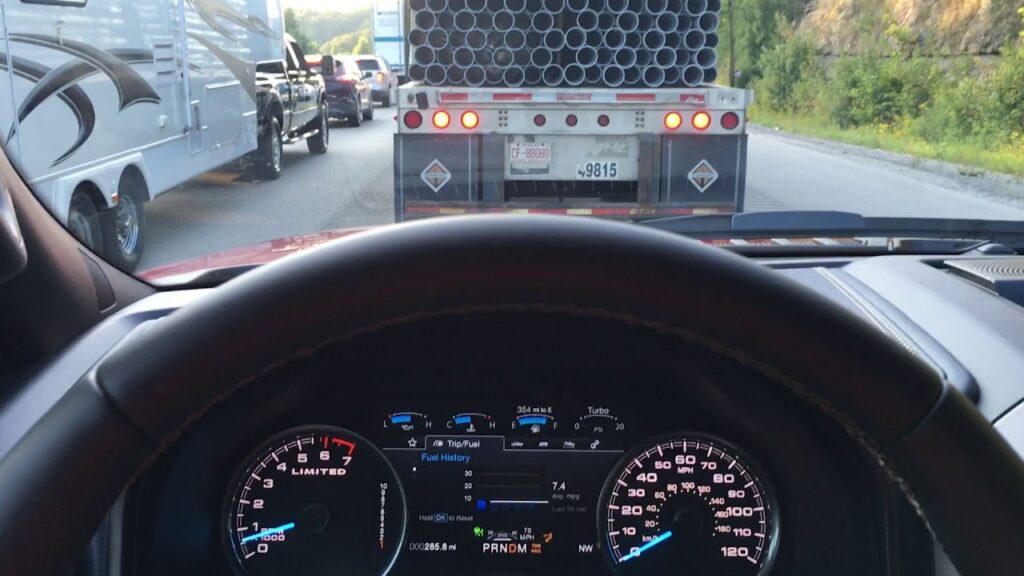
One day it’s bumper-to-bumper traffic.
The next, a fatigued driver on a night route.
Sometimes it’s poor visibility. Sometimes it’s pressure to deliver faster.
Fleet safety in Indian supply chains has never been simple. And for a long time, most businesses handled it the only way they could—by reacting after something went wrong.
That’s now changing.
Across logistics, manufacturing, and distribution networks, companies are quietly adopting fleet safety solutions powered by ai video telematics—not because it sounds futuristic, but because it actually works in the real world.
Why Fleet Safety Solutions Matter More Than Ever in India

India’s supply chains are moving faster than ever. E-commerce expectations are rising. Manufacturing timelines are tighter. Infrastructure projects are expanding into remote and high-risk zones.
But speed without safety comes at a cost.
Every accident impacts:
- Drivers and their families
- Vehicles and cargo
- Delivery timelines
- Insurance premiums
- Brand reputation
This is why fleet safety solutions are no longer treated as “compliance tools.” They’re becoming core operational systems.
The Reality of Road Safety in Indian Supply Chains
Indian roads are complex. You have:
- Mixed traffic conditions
- Long-distance night driving
- Driver fatigue
- Aggressive driving environments
- Inconsistent road infrastructure
Traditional safety checks simply don’t capture what actually happens on the road. By the time an incident is reported, the damage is already done.
Where Traditional Fleet Safety Falls Short
Most conventional fleet safety measures rely on:
- GPS tracking
- Manual audits
- Post-incident reviews
These methods answer where the vehicle was—but not why something happened.
That’s the gap that video telematics fills.
How AI Is Reshaping Fleet Safety Solutions

Let’s be honest.
Most accidents don’t happen because someone planned to drive unsafely.
They happen because a driver is tired.
Because traffic suddenly slows.
Because a delivery is running late.
Because visibility drops.
Because one small mistake turns into a big one.
For years, fleet safety meant finding out what went wrong after it had already happened. Footage was reviewed. Reports were written. Meetings were held. But the damage—human and financial—was already done.
That’s where AI video telematics and ADAS (Advanced Driver Assistance Systems) quietly step in. Not as watchdogs. Not as replacements. But as support systems that step up in the moment things start going off track.
AI Dashcams and ADAS: Like Having a Co-Driver Who Never Gets Tired

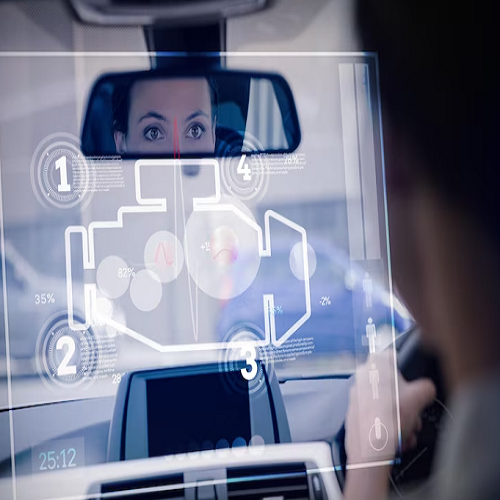
Modern AI dashcams aren’t just cameras bolted to the windshield. They’re constantly observing—watching the road, watching the driver, and understanding patterns over time.
Paired with ADAS, they notice things humans naturally miss, especially on long or stressful routes:
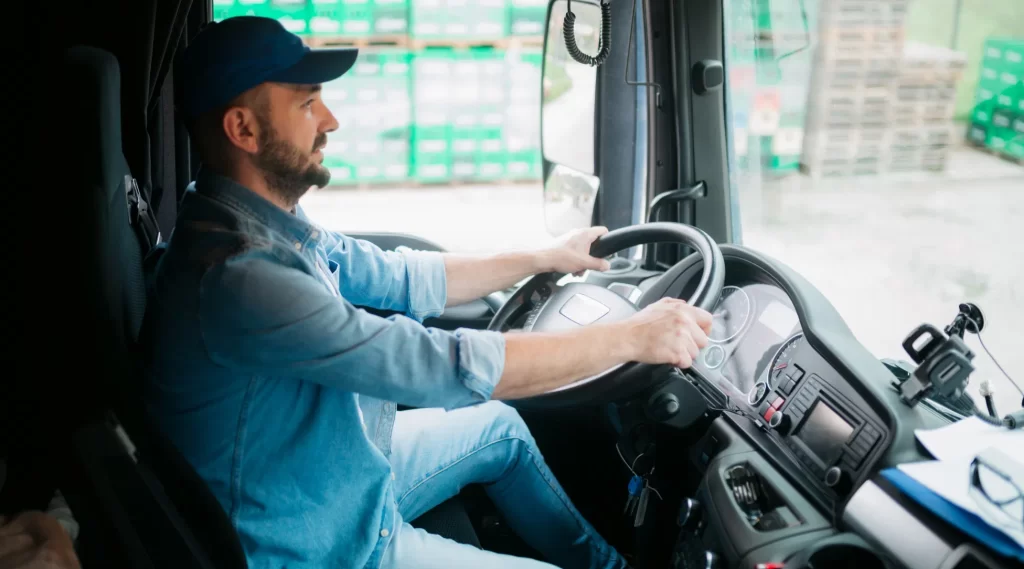
- Eyes getting heavier during a night drive
- A quick glance at the phone that lasts a second too long
- Sudden braking in stop-and-go traffic
- A vehicle slowly drifting out of its lane
- Those near-miss moments drivers don’t always report
And when something risky happens, the system doesn’t wait.
It alerts the driver immediately.
Not later in the day.
Not during a review meeting.
Right there, in the driver’s seat.
Sometimes that gentle warning is all it takes to reset focus and avoid an accident. That’s the difference between recording an incident and preventing one.
Because Unsafe Vehicles Create Unsafe Situations
Safety isn’t only about how someone drives. It’s also about what they’re driving.
A vehicle with worn brakes, engine issues, or inconsistent performance puts pressure on even the best drivers. And most of the time, these problems don’t show up overnight—they build quietly.
AI systems track how vehicles behave every day. How they brake. How they accelerate. How they respond under load. ADAS sensors add another layer by flagging abnormal behaviour that can hint at mechanical issues.
Instead of reacting to a breakdown on the highway, fleet teams get early warnings. Maintenance happens before a vehicle becomes a risk.
This changes the conversation around how to improve fleet safety. It’s no longer about blame. It’s about preparation.
Alerts That Actually Help, Not Distract
Anyone who’s managed a fleet knows this—too many alerts are just as bad as none at all.
What makes AI video telematics and ADAS genuinely useful is that they focus attention where it’s needed:
- A speeding vehicle near a school
- A fatigued driver pushing through a night route
- The same vehicle braking hard at the same stretch of road every day
These aren’t just data points. They’re signals.
Signals that help managers intervene at the right time.
Signals that help drivers stay safe without feeling policed.
Signals that turn fleet safety into something practical and human.
Because at the end of the day, fleet safety isn’t about technology.
It’s about people getting home safely—every single time.
How to Improve Fleet Safety in Indian Supply Chains (What Actually Works)

Fleet safety isn’t improved by adding more rules.
It improves when drivers feel supported and managers get clarity.
Here’s what leading Indian supply chains are doing differently.
Using AI to Support Drivers, Not Police Them
When drivers receive real-time feedback, they correct behaviour naturally. Over time, safer habits form—without confrontation.
That’s a major shift in how fleet safety solutions are perceived on the ground.
Moving From Scheduled to Predictive Maintenance
Instead of fixed service schedules, AI enables condition-based maintenance.
Vehicles stay road-worthy. Downtime reduces. Safety improves.
This is one of the most overlooked ways to improve fleet safety.
Training Drivers Using Real Driving Scenarios
Generic training doesn’t stick.
Real footage does.
AI-generated insights allow trainers to show drivers exactly what happened, why it mattered, and how to avoid it next time.
That’s how learning becomes real.
Choosing a Fleet Safety Solution Built for India
Not all systems are designed for Indian traffic realities.
The right fleet safety solution must work reliably in dense traffic, long-haul routes, varied vehicle types, and regulatory environments.
That choice determines long-term success.
What Indian Supply Chains Gain From AI Fleet Safety Solutions

When AI is implemented thoughtfully, the results go beyond safety metrics.
Fewer Accidents, Lower Risk Exposure
Proactive alerts reduce both minor incidents and serious accidents—protecting drivers, assets, and operations.
Operational Efficiency and Cost Control
Fewer accidents mean:
- Lower insurance claims
- Reduced repair costs
- Higher vehicle uptime
- More predictable deliveries
This is where ai video telematics delivers measurable ROI.
Clear Accountability and Easier Compliance
Video-backed data removes ambiguity. Compliance audits, insurance claims, and internal reviews become faster and fairer.
Conclusion: Where Fleet Safety in India Is Headed

Fleet safety in India is no longer about tracking vehicles—it’s about understanding behaviour.
As Indian supply chains continue to scale, businesses are adopting fleet safety solutions that help them move from reactive firefighting to proactive prevention.
Solutions like those offered by Novus Hi-Tech show how ai video telematics can turn everyday driving data into actionable safety intelligence—built specifically for Indian conditions.
Safer drivers.
Smarter fleets.
Stronger supply chains.
That’s the real promise of AI-driven fleet safety in India.