
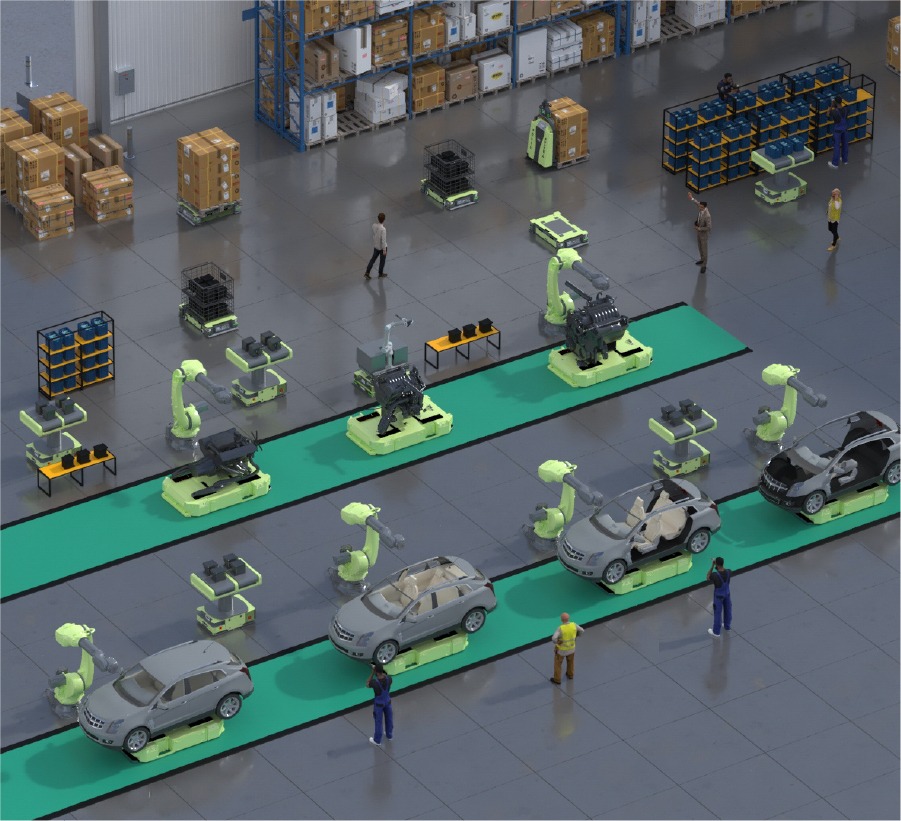
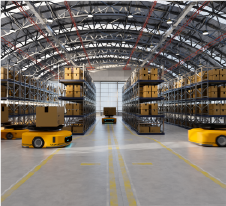
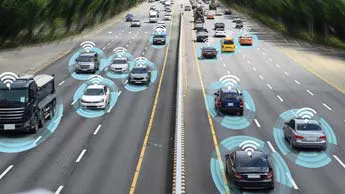

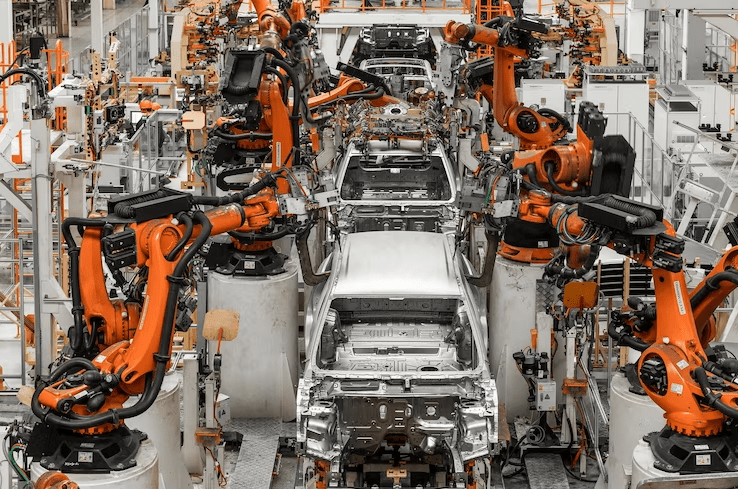
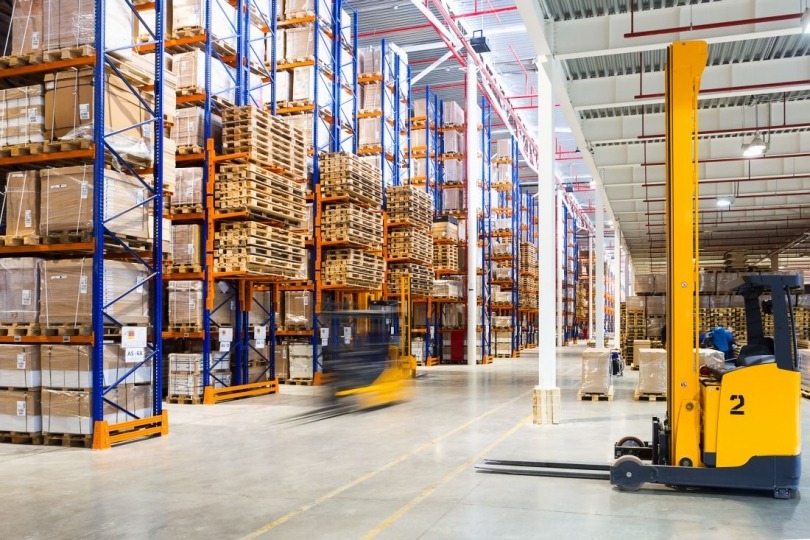


As the manufacturing industry continues to evolve rapidly, once-optional change is now required. Factories evolved from early conveyor-based automation systems to highly connected environments with intelligent robotics. However, in the midst of all this disruption, many factories are still operating with legacy automated guided vehicle (AGV) systems that were developed and engineered for another age when “automation” meant simply transporting materials with no human effort.
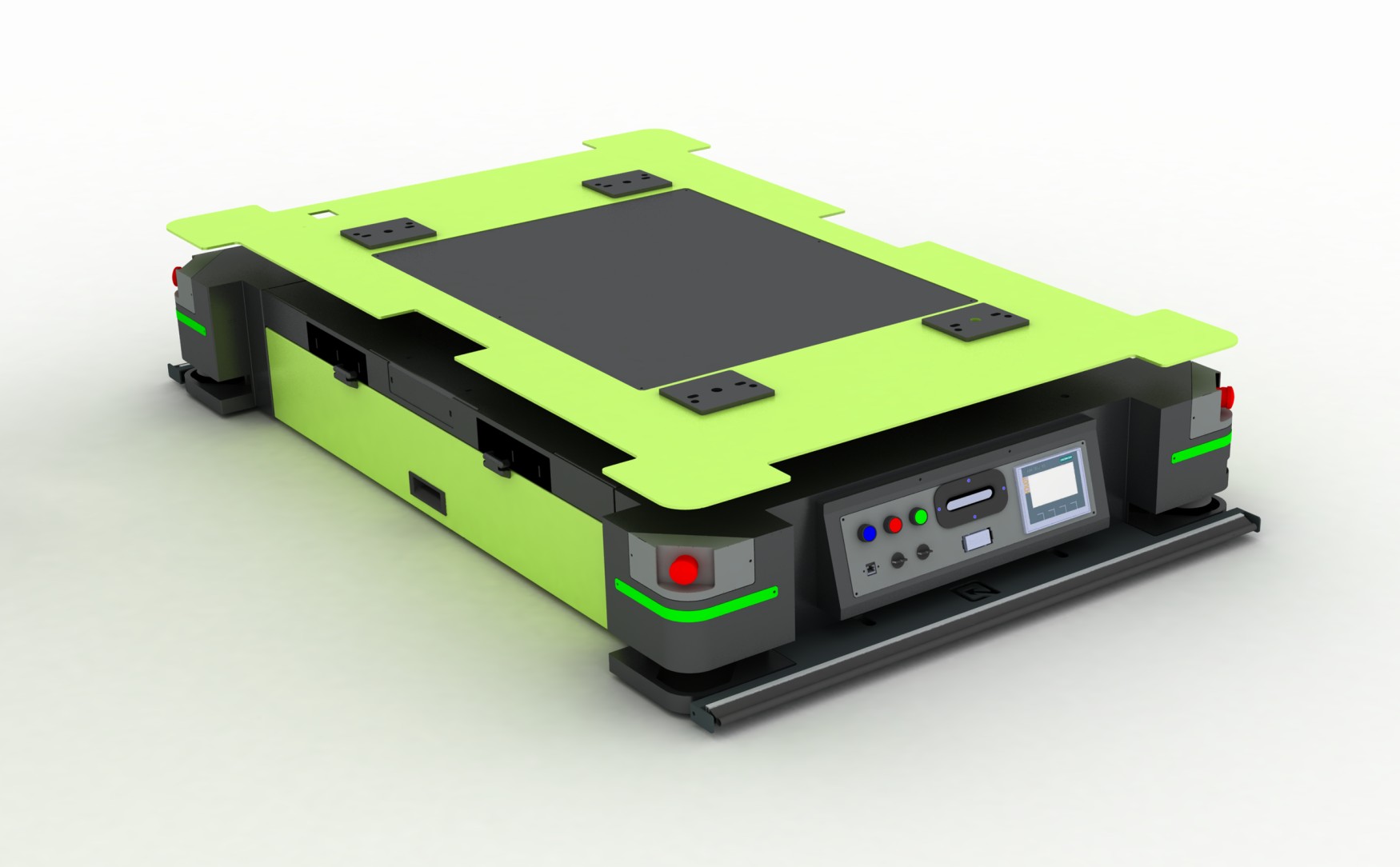
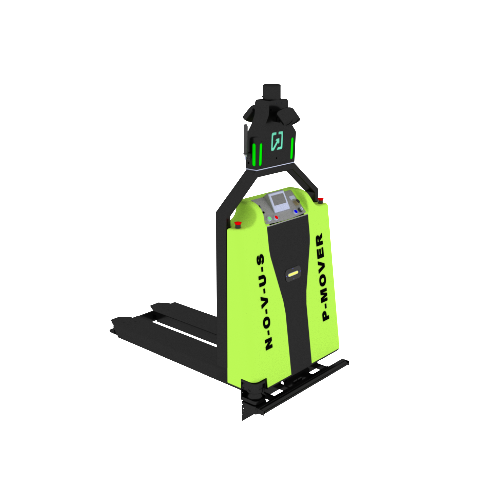
Today, the arrival of Industry 4.0 is re-engineering the definitions of productivity based on data, connectivity, and artificial intelligence, thus leaving these legacy systems with a major question: upgrade or get left behind? The answer is simple for innovative companies; upgrading AGV systems can extend their visibility, efficiency, and agility. Leading the charge in this upgrade is Novus Hi-Tech, a robotics and smart automation innovator transforming industries to position logistics operations to succeed.
Understanding Legacy AGV Systems
Before considering what is said next, it is important to have context about the dawn of AGVs.
Traditional AGV robots, which were developed with durability and simplicity in mind are controlled by permanent magnetic tapes or wires on the factory floor. Simply delivering material from one point to another on finite routes with minimal flexibility. While they were durable, these systems did not have flexibility or the ability to be monitored remotely or provide feedback loops for data.
Their guidance systems were reactive but not intelligent. When the path was blocked, it required manual intervention. A gradual decline in performance was often not detected until something broke. In today’s smart manufacturing methods, there’s no place for this type of rigidity.
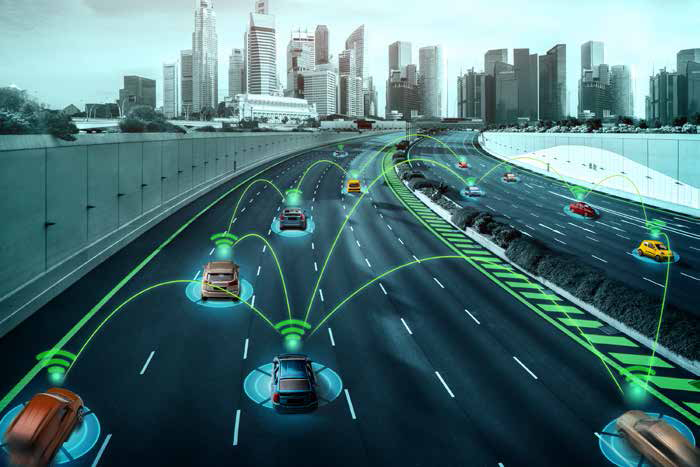
Modern factories need AGV warehouse systems that can communicate with other devices such as sensors, IoT platforms, and enterprise software; allowing the AGV logistics to reliably react to production changes in real-time. Upgrading the legacy fleet becomes most important here.
Challenges in Upgrading Legacy AGVs
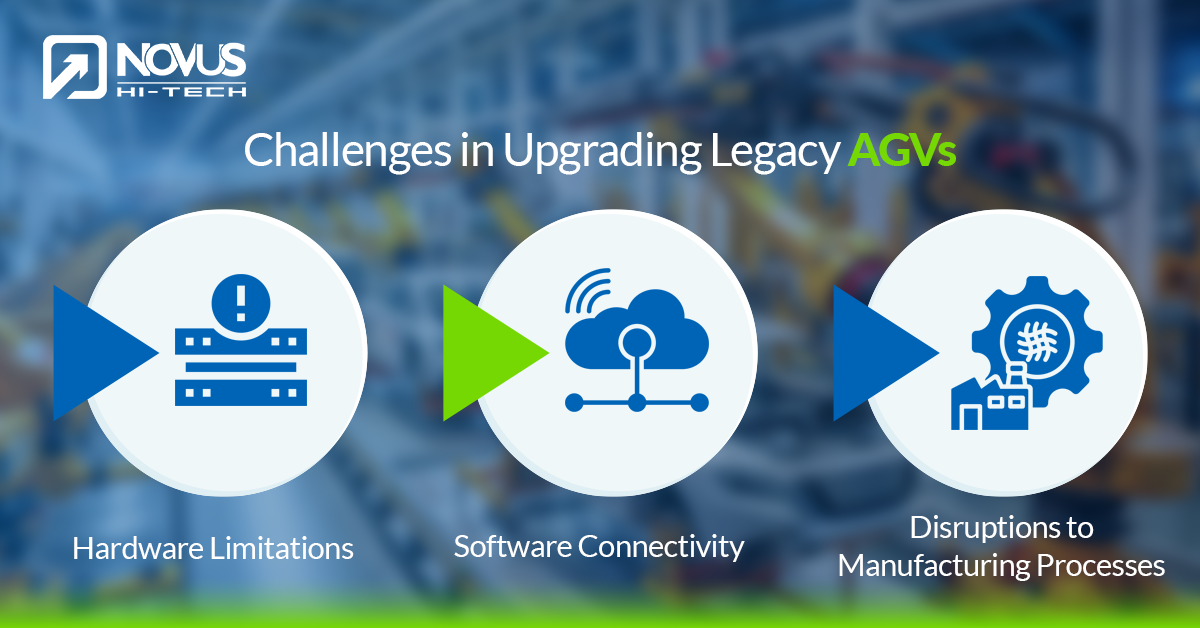
It isn’t as simple as swapping them out, but rather carefully navigating the technical, operational, and financial implications of the transition from traditional to Industry 4.0+ capable AGVs.
-
Hardware Limitations
Many legacy AGVs are anchored on out-of-date microcontrollers, limited-range sensors, and analog communication hardware, which inherently are not capable of utilizing current laser navigation or AI vision systems. The process of upgrading requires walking a fine line between innovation and practicality on a limited budget—when possible, replacing only the essential while reusing the functional.
Example: An AGV that has been in service for 15 years may trim down on insolvency with the replacement of new Lidar sensors, embedded processors, and motor control units, while keeping the assurance of the chassis and drivetrain.
-
Software Connectivity
Industry 4.0+ requires interconnectivity, in which machines talk to machines, as well as machines talking to “the cloud” as systems communicate with ERP and MES software. However, if the legacy AGVs were never developed to communicate with IoT dashboards, connecting the AGVs to digital networks is limited to the integration of the AGVs considering middleware solutions or some immediate software retrofitting that allows AGVs to be part of a digital landscape while limiting the interruption and impact on productivity for an on-going outage.
-
Disruptions to Manufacturing Processes
Manufacturers already can’t afford downtime. The reverse can be said for upgrading and disrupting an already functioning operation. Phased upgrades are seen as the solution. An optional upgrade circuit considers modifying only small batches per use, while maintaining production on older AGVs. Novus Hi-Tech can conduct simulation models as well as performance measuring to ensure that it does not critically interrupt the production process while upgrading through retrofitting of AGVs.
Benefits of Upgrading for Industry 4.0
The return on investment for upgrading AGV systems is significant—shifting logistics from a conventional framework to an intelligent and autonomous foundation for smart manufacturing.
-
Real-Time Analysis
Following modernization, AGVs will be moving sources of information. They will report real-time data on routing efficiency, load-time, and power usage. Additionally, if a performance analytics dashboard is integrated with this, plant management will be able to detect bottlenecks in logistics, enhance throughput in processes, and make decisions based on data. Now imagine being on the factory floor where individual AGVs can feed data to a control room—supervisors can detect vehicle flow problems, reduce congestion ahead of time, and know when maintenance will be needed.
-
Predictive Maintenance
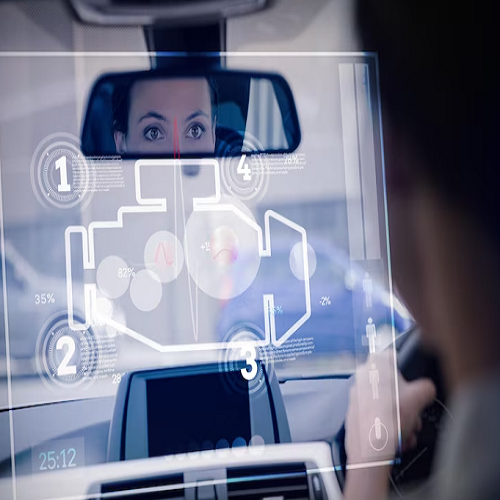
Downtime is a profit killer for manufacturing. AI-assisted AGV robot systems can analyze patterns of vibration, temperature, and motor torque to predict wear before a failure occurs. Maintenance will receive notification days in advance, potentially keeping unplanned downtimes down by as much as 30%. And therefore, AGVs will last longer, and their maintenance costs will go down.
-
Smart Factory Integration
Once modernized, AGVs can communicate through IoT frameworks, and they will not simply act alone—they will be part of an integrated collaboration with conveyors, robotic arms, and WMS. Synchronization is the goal of Industry 4.0 self-optimizing workflows in real time.
Steps for Upgrading Legacy AGVs
Upgrading isn’t replacing systems—it’s upgrading them. Following is how manufacturers can modernize in a structured way.
-
Evaluation of the System
Understanding the current ecosystem is the foundation of any successful upgrade. Novus Hi-Tech conducts on-site audits to evaluate communication protocols, software architecture, and hardware health. The evaluation establishes what should be replaced, what can be retained, and what new technologies are needed.
-
Technology Selection
The second step is choosing the right technology stack.
Sensors & Navigation. Eliminate magnetic or optical tracks with laser-guided or vision-based guidance.
Controllers. Adding programmable logic controllers (PLCs) that are IoT-framework compliant..
Connectivity. Wi-Fi 6, RFID, or Bluetooth LE is used for fast data exchange.
Energy Systems. Refit with smart battery management for longer run times.
Every technology stack decision will be based on your plant’s workflow, payload type, and level of automation desired.
Implementation and Testing rollouts will occur in phases — starting with a pilot unit. These AGVs will undergo various benchmark tests to ensure precision of the route, battery consumption, and stability of the software. After the proof of concept has been fine-tuned to satisfaction, the plan will be instituted fleet-wide.
Using simulation tools and digital twins, Novus Hi-Tech guarantees that every refit has provided tangible productivity gains before it is fully deployed.
Novus Hi-Tech’s Upgrade Solutions
At Novus Hi-Tech, modernization goes beyond a service—it transforms existing assets. Novus combines engineering depth, artificial intelligence expertise, and operational experience to breathe new life into legacy fleets for Industry 4.0.
Hardware Retrofits
Whether it’s upgrading sensors and drives, or upgrading to advanced controllers, Novus provides modular retrofits for hardware, minimizing capital expense. Each retrofit has been developed to last and work with modern machinery and standards.
Software Enhancements
Existing AGVs can now be given new intelligence with Novus’s proprietary software, enabling machine learning-based navigation, IoT, and real-time performance monitoring, while ensuring interoperability with warehouse management systems and factory automation networks.
Custom Support Services
Furthering the implementation, Novus Hi-Tech provides consultation from ‘A-Z—staff training, fine-tuning parameters, and 24×7 remote support. This means owners achieve the full return on investment without disturbing the day-to-day operations.
Future of Upgraded AGVs in Manufacturing
AGV-based warehouse systems’ evolution is not just a technological imperative but also an investment in the manufacturing future.
-
Connectivity
With the spread of 5G networks and edge computing, AGVs will communicate at a never-before-seen rate and resolution. With real-time collaboration between machines, AGVs will enable autonomous decision-making at a whole facility level.
-
Growth Opportunities
Since AGVs are becoming more common in the automotive industry, other industries (such as – food processing, pharmaceuticals, e-commerce) are also moving to AGVs, so they do not fall behind. Industry studies suggest that worldwide demand for AGVs will hit or surpass USD 10 billion by 2030, and refurbished fleets will account for a large percentage of that expansion.
-
Sustainable Upgrades
Innovation of an AGV is an improvement to a greener AGV. Energy-efficient drivetrains, regenerative braking technologies, and newly optimized routes reduce the carbon footprint of current fleets when upgraded and retrofitted. Intelligent charging stations can also reduce energy waste and harmonize logistics towards a more sustainable or circular economy.
Conclusion
Industry 4.0 is no longer the future—it’s here today. The upgrade of legacy AGV systems converts static automation into live intelligence—machines that learn, adapt, and optimize.
For businesses hoping to stay competitive, modernization is not only about technology—it is about resilience, agility, and expansion.
Partner with Novus Hi-Tech to prepare your AGV fleet for the future. This will lead you to the next evolution of smart logistics.
Connect with our automation experts to begin your AGV modernization journey today.
✉️ marketing@novushitech.com 🌐 www.novushitech.com