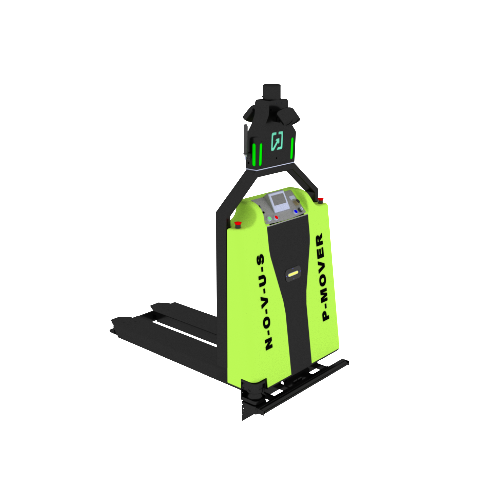


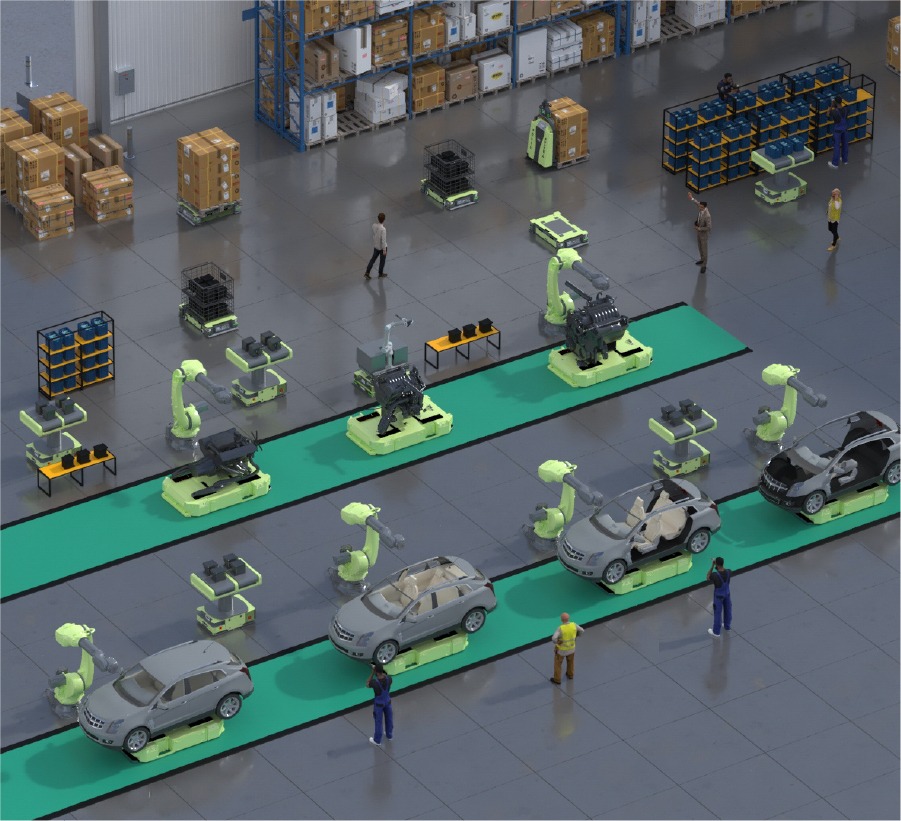
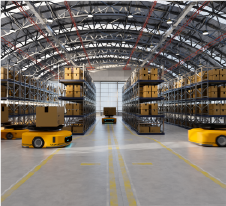
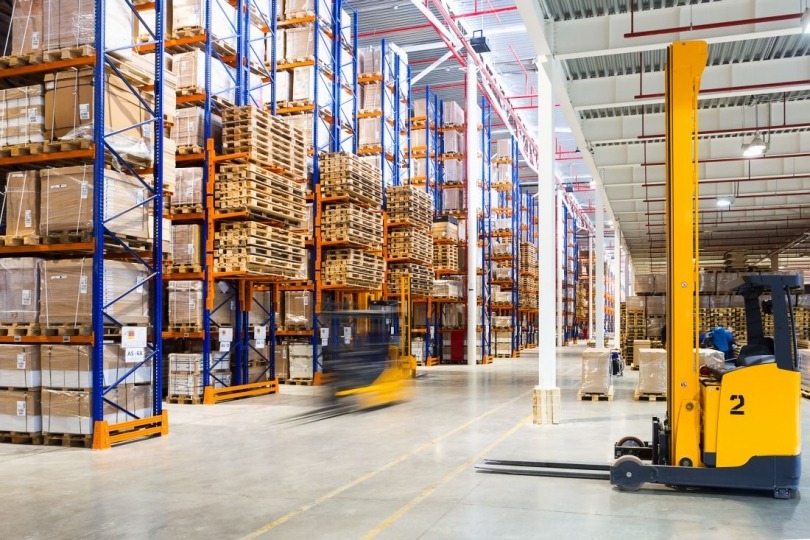


In every modern factory and warehouse, material flow is the invisible force that keeps production running. Pallets, bins, cartons, WIP, finished goods — everything depends on how efficiently items move from point A to point B.
For decades, this movement relied on forklifts, pallet jacks, trolleys, and human operators. But today, rising labour costs, safety concerns, space constraints, and demand for speed have pushed industries toward autonomous material handling.
And that’s where AGVs and AMRs come in.
This blog explains — in simple terms — what AGVs and AMRs are, how they work, where they fit, and why they’ve become essential to modern intralogistics.
What Are AGVs? (Automated Guided Vehicles)
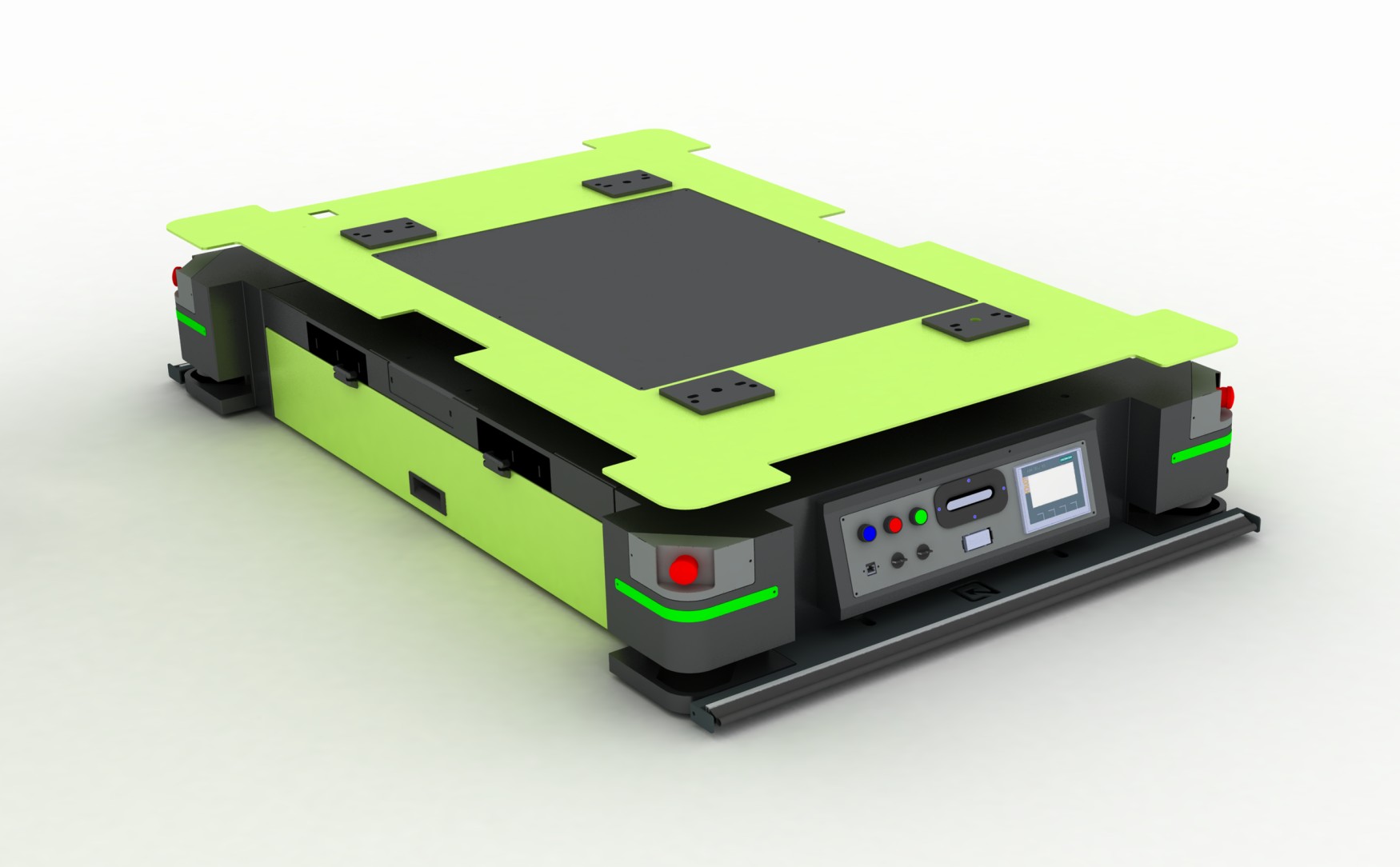
AGVs are driverless vehicles that move materials along fixed, predefined paths.
They follow physical guidance systems such as:
- Magnetic tape on the floor
- QR codes
- Laser reflectors
- Embedded wires
- Colored lines or markers
AGVs do not make independent decisions.
Their movement is planned in advance, and any route change requires physical modification.
Where AGVs Are Most Effective
AGVs are ideal when:
- Routes never change
- Material movement is repetitive
- The environment is controlled
- Flexibility is not required
- Heavy loads must move consistently
Typical Applications
- Assembly line feeding
- Pallet movement on fixed routes
- Storage-to-production cycles
- Raw materials transport
- Finished goods to dispatch lanes
AGVs act like automated conveyor belts — predictable, reliable, and consistent.
What Are AMRs? (Autonomous Mobile Robots)
AMRs are intelligent mobile robots that navigate dynamically using AI, sensors, and real-time decision-making.
Unlike AGVs, AMRs don’t need fixed paths.
They use technologies such as:
- 2D/3D LiDAR
- SLAM (Simultaneous Localization & Mapping)
- 3D cameras
- Onboard computing
- AI-based path planning
AMRs understand the environment, avoid obstacles, reroute instantly, and adapt to layout changes — just like a human operator would.
Where AMRs Excel
AMRs are best suited for:
- Dynamic environments
- Layouts that change frequently
- Mixed traffic areas (people, forklifts, trolleys)
- Complex workflows
- Multi-shift operations requiring uptime
- Facilities that need data visibility
Typical Applications
- Pallet transport
- Bin and tote movement
- Line-side replenishment
- Goods-to-person picking
- Multi-stop milk runs
- WIP flow between processes
AMRs bring flexibility, intelligence, and safety into material handling.
Discover how the right Autonomous Mobile Robot (AMR) solutions drive business efficiency.
Download our free eBook for expert insights and trends!
AGV vs AMR: The Simple Difference
| Feature | AGV | AMR |
|---|---|---|
| Navigation | Fixed path | Dynamic, map-based |
| Flexibility | Low | Very high |
| Route changes | Physical modification | Software update |
| Obstacle handling | Stops and waits | Avoids and reroutes |
| Safety | Basic | Advanced (360° sensing) |
| Setup time | Long | Fast |
| Ideal for | Repetitive paths | Dynamic operations |
Why Both Technologies Exist
AGVs and AMRs aren’t rivals — they serve different needs.
AGVs win when:
- Tasks are repetitive
- Paths never change
- Payloads are very heavy
- Layouts are simple
- Cost sensitivity is high
AMRs win when:
- Environments are dynamic
- You need flexibility
- Safety and compliance matter
- Mixed operations exist
- You want long-term scalability
Many advanced factories run hybrid fleets — AGVs for backbone routes, AMRs for flexible flow.
How AGVs & AMRs Are Transforming Operations
Across industries, autonomous systems are helping companies achieve:
- Up to 90% reduction in accidents
- Higher throughput with predictable cycle times
- Lower operating cost in multi-shift scenarios
- Real-time traceability and analytics
- Optimized space usage
- Scalability without hiring constraints
This shift is not just automation — it’s digital transformation inside the factory and warehouse.
Who Uses AGVs and AMRs?
Adoption is widespread across:
- Automotive & EV
- Pharmaceutical
- FMCG & food
- eCommerce & retail
- Electronics & semiconductor
- Steel & heavy engineering
- 3PL and warehousing
- Chemical & petrochemical
Any operation with repetitive movement can benefit — from 20 pallets/day to 2,000 pallets/day.
When Should a Company Consider AGVs or AMRs?
Look at automation when you see:
- High labour turnover
- Rising safety incidents
- Increasing movement volume
- Layout expansion
- SLA pressure on speed
- Multi-shift operations
- Need for traceability
- Customer audits demanding efficiency
- Space constraints
The earlier a company starts, the faster they scale.
Conclusion: Your Facility’s Next Step Toward Autonomy
AGVs and AMRs represent the future of industrial mobility.
Whether you need the stability of AGVs or the flexibility of AMRs — or a hybrid fleet — both technologies unlock a safer, faster, more intelligent facility.
Novus Hi-Tech: Powering the Future of Autonomous Material Handling (Light Touch)
Novus Hi-Tech is a pioneer in AI-driven robotics, AGV/AMR systems, and autonomous mobility, engineered and developed indigenously in India.
With 150+ patents, 1,200+ mobile robots deployed, 8M+ km autonomous travel, and 100+ industrial customers, we help factories and warehouses transition from manual movement to intelligent, scalable automation.
If your organisation is exploring AGVs or AMRs, our team can help evaluate workflows, simulate ROI, and build the right automation roadmap.
📩 Reach out: marketing@novushitech.com