
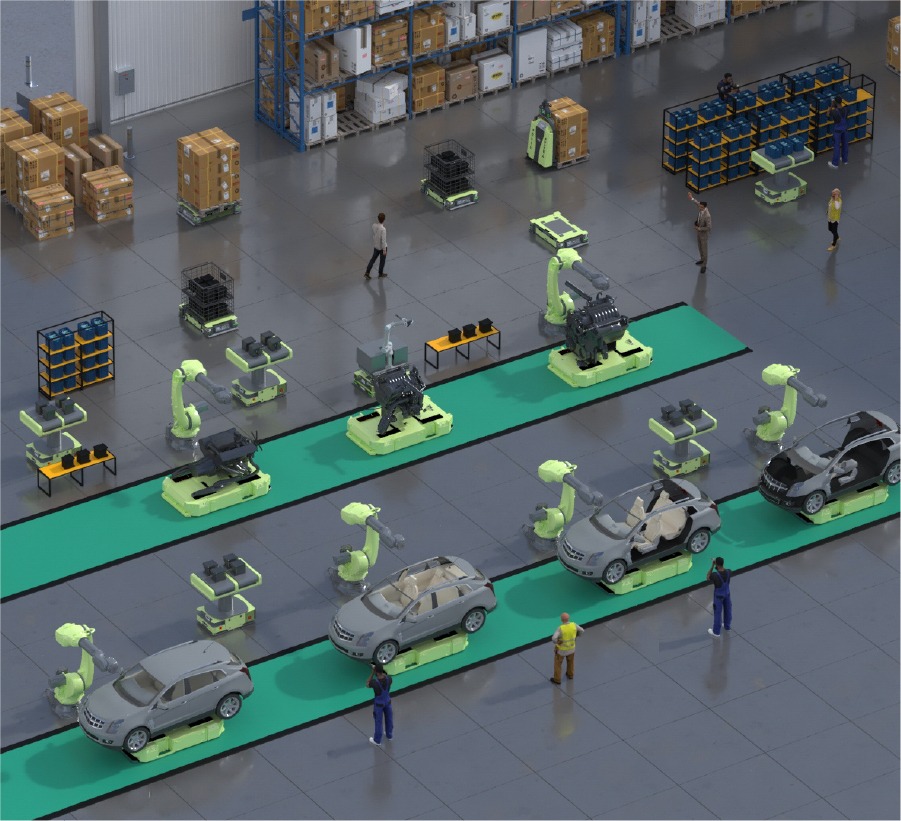
Manufacturing leaders today are not asking whether automation is important.
They are asking a tougher question — how fast can industrial robots improve cost efficiency without disrupting production?
Across factories, warehouses, and logistics facilities, rising labour costs, inconsistent output, safety risks, and material movement delays are putting pressure on margins. This is why industrial robots are becoming a core part of modern industrial automation solutions, not just for speed, but for long-term operational efficiency.
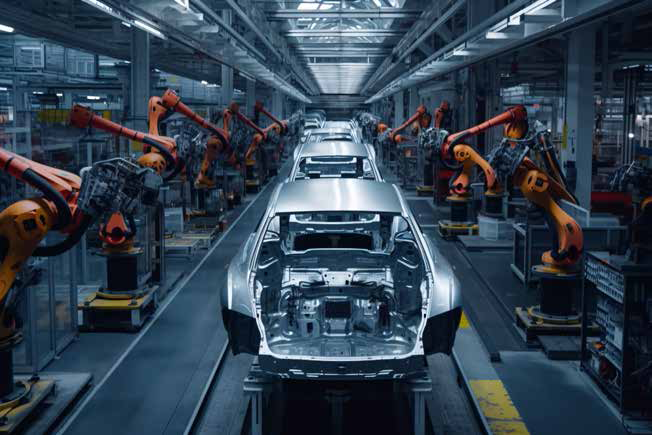
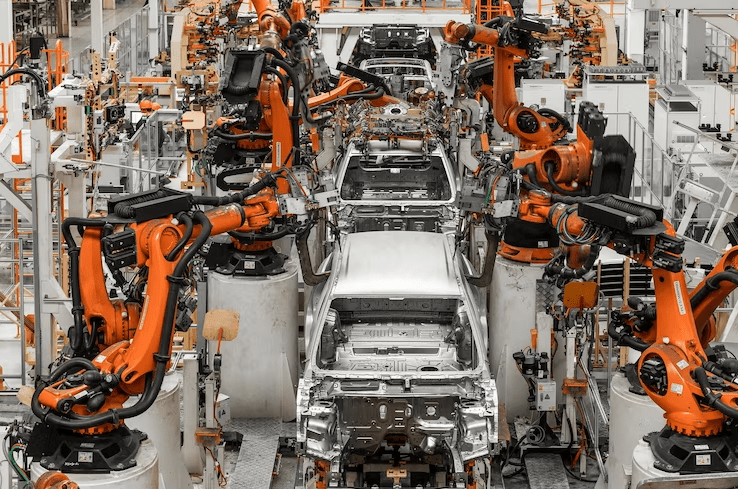
From robots in manufacturing industries to autonomous intralogistics systems, the real value of robotics is not in replacing people — it is in making the entire operation run smarter.
Companies adopting industrial robot systems and smart manufacturing robots are seeing measurable improvements in throughput, accuracy, safety, and scalability.
In this article, we explore 7 proven benefits of industrial robots and how modern industrial automation technology is helping industries reduce costs while increasing performance.
1. Industrial Robots Reduce Repetitive Labour Costs

One of the biggest cost drivers in manufacturing is not skilled labour — it is repetitive labour.
In many facilities, workers still spend hours moving materials, transporting pallets, feeding production lines, or performing routine handling tasks. These activities are necessary, but they do not always add value.
This is where industrial robots and robotics in manufacturing make an immediate difference.
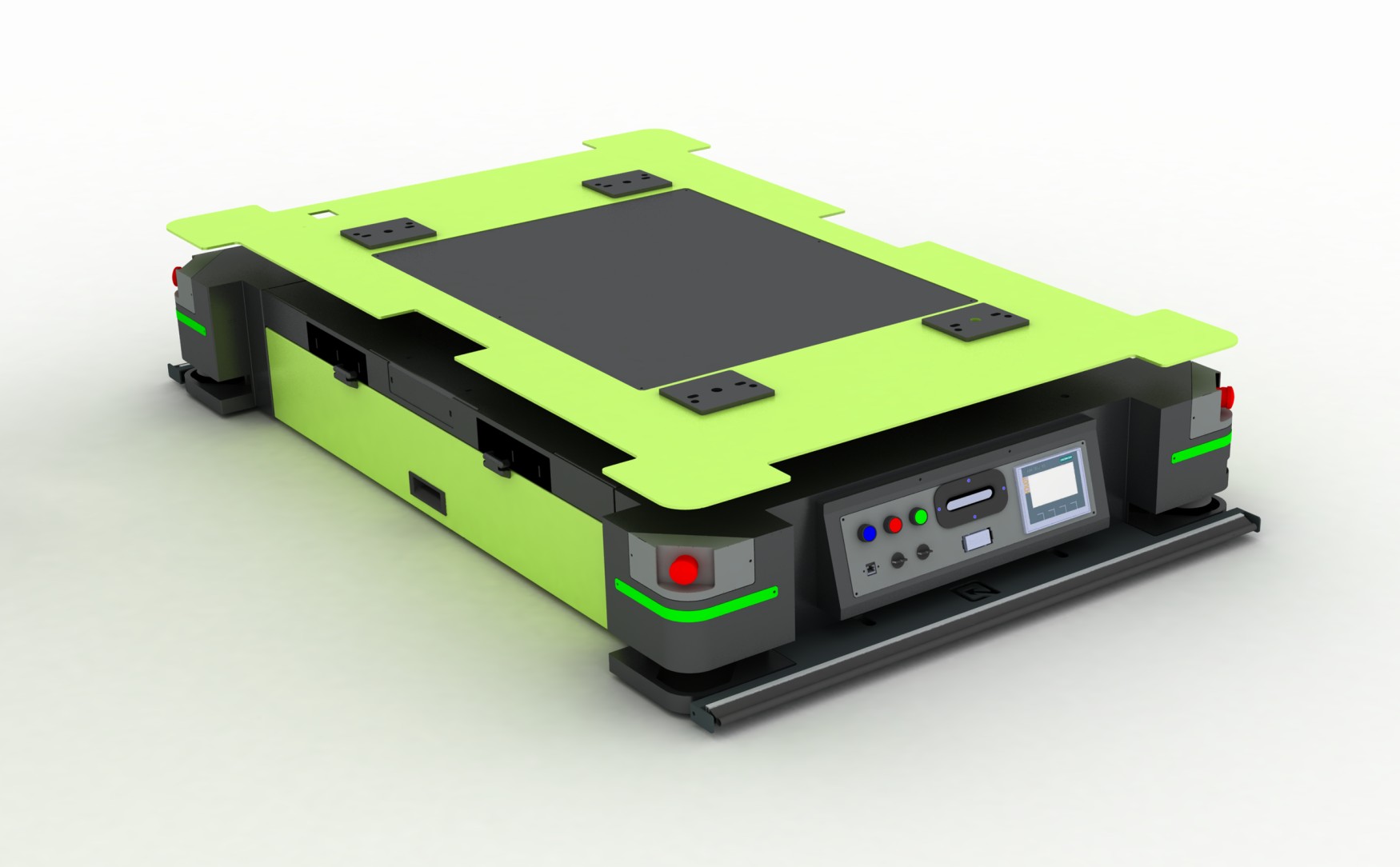
By using Autonomous Mobile Robots (AMRs), AGVs, and industrial robot systems, companies can automate repetitive movement while allowing workers to focus on higher-value tasks like supervision, quality control, and process improvement.
This is one of the most practical industrial robotics applications in modern factories.
Cost benefits include
- Lower manual handling cost
- Reduced dependency on repetitive labour
- Higher productivity per worker
- More consistent operations
See how Novus industrial robots reduce manual movement → Watch Now
2. Industrial Robots Improve Production Flow and Throughput

Many manufacturers assume slow machines cause low output.
In reality, production loss often comes from poor coordination between processes.
Material arrives late.
A station waits.
A forklift is unavailable.
A line stops.
Modern industrial automation technology and robots in manufacturing industries solve this by creating predictable, continuous flow.
Unlike manual movement, industrial robots operate with consistent speed, routing, and timing, which helps reduce bottlenecks across the factory.
This is why smart manufacturing robots are now used not only on production lines, but also in internal logistics and warehouse operations.
Real throughput improvements seen with industrial robots
- Faster material movement
- Reduced idle time
- Better line synchronization
- Higher shift productivity
3. Industrial Robots Reduce Errors, Defects, and Rework

One of the hidden costs in manufacturing is rework.
Small mistakes — wrong placement, incorrect handling, delayed movement, misaligned parts — can create expensive downstream problems.
This is where industrial robots provide one of the strongest cost advantages.
Because industrial robot systems work with repeatable precision, they reduce the variation that often causes defects in manual processes.
Many modern industrial robotics applications focus on consistency rather than speed.
When accuracy improves, manufacturers often see:
- Less scrap
- Lower rework cost
- Better product quality
- Improved customer reliability
These are some of the most important benefits of industrial robots in modern industries.
4. Industrial Robots Reduce Downtime Caused by Material Movement Delays

In many factories, downtime is not caused by machine failure.
It happens because materials are not in the right place at the right time.
Manual forklifts, trolleys, and operator-dependent transport can create delays that never appear in reports but affect output every day.
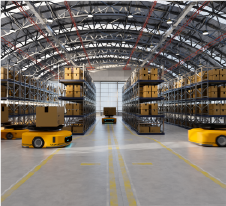
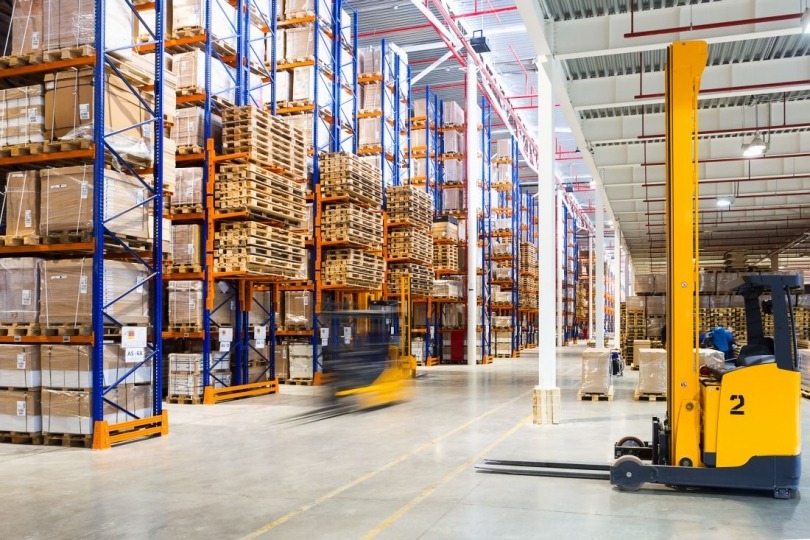
This is why robots in modern industries are increasingly used for intralogistics automation.
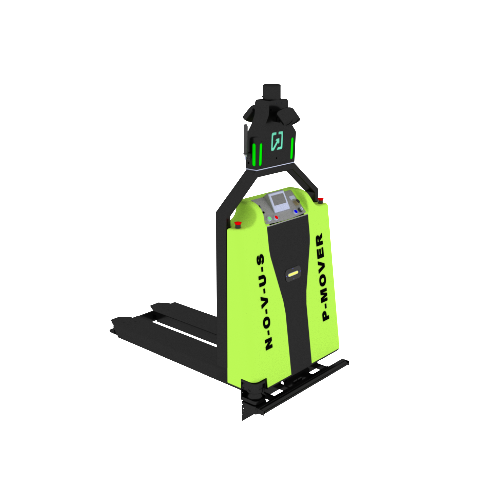
With Autonomous Mobile Robots, AGVs, and intelligent industrial automation solutions, factories can move materials continuously without depending on manual coordination.
Novus Hi-Tech focuses strongly on these robotics in manufacturing and intralogistics automation systems, helping factories reduce internal delays and improve operational flow.
Benefits of robotic intralogistics
- Reduced waiting time
- Fewer transport delays
- Better floor utilization
- Lower downtime cost
5. Industrial Robots Improve Workplace Safety and Reduce Incident Costs

Safety is often seen as compliance.
But in modern industries, safety is also a cost factor.
Accidents lead to downtime, damage, investigation time, insurance cost, and productivity loss.
This is why industrial robots are widely used in hazardous, repetitive, or high-traffic environments.
Modern industrial automation solutions allow robots to handle heavy movement, risky transport, and repetitive tasks, reducing the chance of human error.
6. Smart Manufacturing Robots Make Scaling More Cost-Efficient

Growth creates complexity.
More orders.
More SKUs.
More material movement.
More coordination.
Without automation, scaling often means adding more workers, more forklifts, and more manual effort.
This is why smart manufacturing robots and industrial robot systems are critical for modern factories.
With the right industrial automation technology, companies can increase production capacity without increasing operational chaos.
Novus Hi-Tech supports scalable automation through:
- AMRs
- AGVs
- Autonomous forklifts
- Robotics-as-a-Service
- Smart factory automation systems
These solutions help industries grow without losing efficiency.
7. Industrial Robots Improve Long-Term ROI Through Data and Intelligence

Modern industrial robots are not just machines — they are data systems.
Connected industrial robot systems can track movement, utilization, cycle time, delays, and performance.
This data helps factories improve layouts, optimize routing, and reduce waste over time.
This is why industrial automation technology is becoming part of long-term business strategy, not just a one-time upgrade.
Companies using advanced robots in modern industries often gain better operational visibility, which leads to smarter decisions and stronger ROI.
Why Novus Hi-Tech Industrial Automation Solutions Stand Out

Choosing the right industrial robots is not only about hardware.
It requires understanding:
- where costs are leaking
- where delays happen
- where labour is underused
- where safety risks exist
- where automation will give the fastest ROI
Novus Hi-Tech provides complete industrial automation solutions, including:
- Autonomous Mobile Robots
- AGVs
- Forklift AMRs
- Industrial robot systems
- Smart factory automation
- Robotics-as-a-Service
This approach helps manufacturers adopt robotics in manufacturing in a practical, scalable, and cost-efficient way.
Conclusion — Industrial Robots Are Now a Cost Strategy, Not Just Technology

The biggest shift in modern manufacturing is not automation itself.
It is the realization that industrial robots directly impact cost efficiency.
They reduce labour dependency.
They improve flow.
They lower defects.
They reduce downtime.
They improve safety.
They make scaling easier.
They create long-term operational intelligence.
That is why industrial robots are becoming essential in modern industries.
If your factory is still dependent on manual coordination for critical operations, this is the right time to explore industrial automation solutions from Novus Hi-Tech.
Watch Novus industrial robots in action → Watch Now
Download automation brochure → Download Now
Talk to automation experts → https://novushitech.com/contact/

The strongest case for industrial robots is not that they look advanced. It is that they make operations less fragile.
They reduce wasted movement. They improve throughput. They cut rework. They improve safety. They create a more scalable operating model. And over time, they help manufacturers run with better visibility and fewer expensive surprises.
That is what cost efficiency actually looks like in modern industry.
If your factory or warehouse is still relying on manual coordination for critical movement, repetitive transport, or operational flow, this is the right time to reassess. Explore how Novus Hi-Tech can help you build a more efficient automation environment with intelligent robotic systems designed for real industrial performance.
Talk to Novus Hi-Tech about the right industrial robot strategy for your facility, or explore their AMR, AGV, and smart factory automation solutions to identify where ROI can be unlocked first.