









The automotive world is transforming itself, and automation is leading this innovation. ADAS represents the core of this change in a vehicle that closes the gap between traditional vehicles and full autonomy. Of these advancements, the ADAS Level 2 is a game-changer that brings together safety, convenience, and cutting-edge technology.
Novus Hi-tech is the top company in this area, giving high-end ADAS solutions to Original Equipment Manufacturers so they can present more intelligent and safe vehicles. Let’s talk about ADAS Level 2, what this stands for, its characteristics, the advantages of its use, and how this alters the driving experience.
What is ADAS Level 2?
ADAS Level 2 is a major step along the long road to the era of fully autonomous cars. Here, the car controls steering and acceleration/ braking automatically for a few cases such as driving on highways, yet the driver remains alert at any given time to take back the wheel.
Key Features of ADAS Level 2:
- Adaptive Cruise Control (ACC): It maintains a constant speed but tracks the pace of other moving vehicles.
- Lane Centering Assistance (LCA): It centers the car in a lane.
- Automatic Emergency Braking (AEB): Detects obstacles and brakes apply accordingly.
- Traffic Jam Assistance: Maintains the slow-moving speed and manages to steer to handle slow traffic.
These ADAS Level 2 features enhance driving safety and comfort, marking a shift towards higher levels of autonomy.
Explore how Advanced Driver Assistance Systems (ADAS) revolutionize driving. Download our Brochure for expert insights and trends!
Differences Between ADAS Level 1 and Level 2

While both ADAS Level 1 and Level 2 incorporate driver assistance, their capabilities differ significantly.

The step up to Level 2 ADAS introduces a coordinated system where multiple features work in unison, enabling semi-automated driving under specific conditions.
Benefits of ADAS Level 2 for OEMs

Integrating ADAS Level 2 technology into vehicles offers numerous advantages for OEMs, enhancing their product portfolios and meeting modern consumer demands.
1. Enhanced Safety
ADAS Level 2 minimizes the chances of accidents due to its features such as automatic braking, obstacle detection, and accurate lane-keeping abilities.
2. Improved Driver Comfort
Level 2 systems relieve driver fatigue while traveling long distances by automating routine activities like maintaining speed and keeping within lanes.
3. Competitive Advantage
Since more consumers are looking for intelligent vehicles, OEMs can stay ahead in the market by including advanced level 2 ADAS features.
4. Regulatory Compliance
With stricter safety regulations worldwide, ADAS Level 2 helps OEMs meet compliance standards while improving their vehicle ratings in crash tests.
By leveraging Novus Hi-tech’s ADAS solutions, OEMs can deliver cutting-edge vehicles that combine safety, comfort, and innovation.
Challenges in Implementing ADAS Level 2 Technology

Despite its advantages, integrating ADAS Level 2 into modern vehicles comes with challenges.
1. High Development Costs
Hardware, software, and highly skilled personnel are needed to develop and test Level 2 systems.
2. Sensor and Data Integration
The ADAS is dependent on an array of cameras, radars, and sensors. In terms of technology, seamless integration and data processing can be challenging.
3. Driver Training and Awareness
Most drivers are ignorant of the restrictions of Level 2 systems. This can lead to misuse and overdependence on automation.
4. Regulatory Barriers
Global markets have different regulations for autonomous systems, and OEMs need to adapt their solutions to each region’s standards.
5. Ethical and Liability Concerns
In accidents involving ADAS Level 2 systems, accountability between the driver and the system can be difficult to determine.
Addressing these challenges requires collaboration between OEMs, technology providers like Novus Hi-tech, and regulators.
Future Trends and Innovations in ADAS Level 2 for Safer Driving

The future seems very bright for ADAS Level 2 because improvement in AI, machine learning, and connectivity is likely to enhance its capabilities.
1. AI-Driven Decision Making
Advancing the ADAS system’s algorithms allows more complexity in the driving scenario processing.
2. Vehicle-to-Everything (V2X) Communication
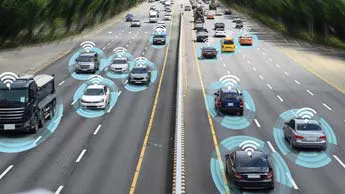
Future Level 2 will have the ability to interact with vehicles, infrastructure, and other users to enhance situational awareness.
3. Enhanced Sensors and Vision Systems
Better radar, LiDAR, and camera technologies will detect objects with increased accuracy, avoiding many error occurrences.
4. Integration with Smart Infrastructure
As cities adopt smart traffic systems, ADAS Level 2 vehicles will benefit from real-time data, optimizing routes and reducing congestion.
5. Personalized Driving Experiences
AI-driven customization will allow ADAS systems to adapt to individual driving preferences, further enhancing comfort and safety.
Such innovation brings ADAS Level 2 forward, remaining the foundation on the path toward full autonomous driving.
Conclusion
The emergence of smart vehicles ADAS Level 2 will change the current level of comfort and technology applied in automobiles. Automating significant functions in driving allows such vehicles to bring safety, convenience, and even enhanced driver comfort, moving gradually toward fully autonomous functionality.
As OEMs embrace this technology, they will partner with industry leaders, such as Novus Hi-tech, for the latest ADAS solutions. Novus Hi-tech contributes best-in-class integration and innovation, enabling manufacturers to develop smarter, safer vehicles on the road forward.