

If you speak to anyone who manages a commercial fleet long enough, you’ll notice a pattern.
Most accidents are not dramatic failures. They are small moments that go wrong.
A driver looks away for a second.
Someone brakes late in traffic.
A long shift turns into fatigue.
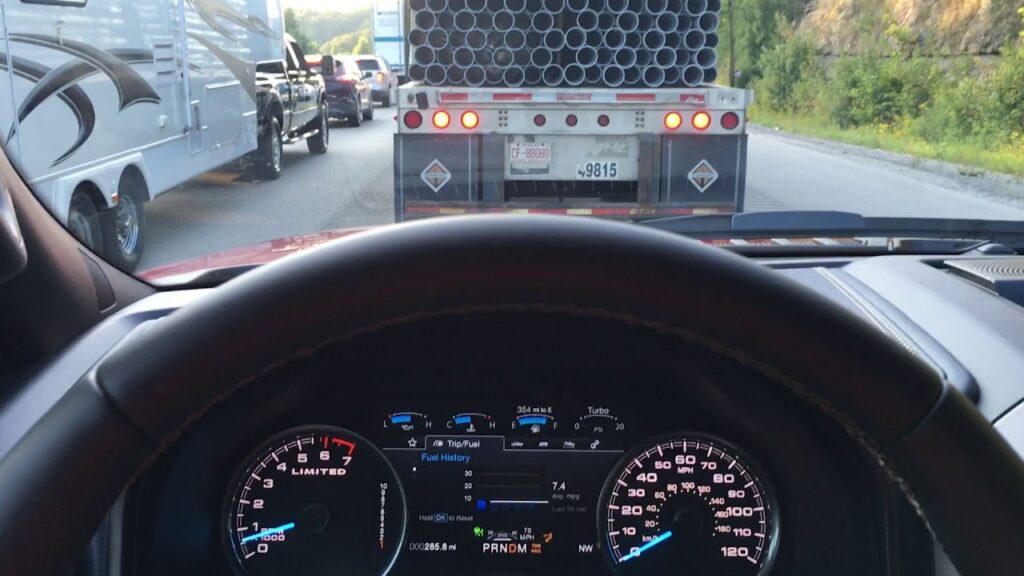
A vehicle follows too close on a highway.
Individually, these things seem minor.
Across a fleet of 50, 100, or 500 vehicles, they become expensive very quickly.
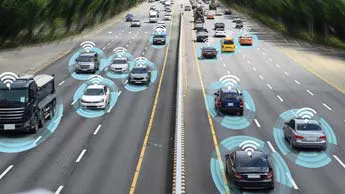
This is exactly why video telematics has moved from being a nice-to-have feature to something many fleets now consider essential. And with the rise of AI Video Telematics, the focus is no longer just tracking vehicles — it’s understanding behaviour.
Companies that install modern fleet video telematics systems often realise the same thing within weeks:
they were never short on data — they were short on visibility.
When you actually see what happens inside the vehicle and on the road at the same time, the reason behind accidents becomes obvious.
Some fleet operators only understand the difference after seeing the system working live. Watching Novus SafePro in action, for example, makes it clear how an AI-powered video telematics setup can detect fatigue, distraction, or unsafe distance long before a crash happens. Many teams also prefer to download the product brochure at this stage, just to understand how this kind of fleet safety telematics fits into their existing setup without changing everything overnight.
What Video Telematics really means in real fleet operations

A few years ago, when people talked about fleet technology, they usually meant GPS tracking.
Where is the vehicle?
How fast is it going?
Did it reach the destination?
Those systems were useful, but they were never built to prevent accidents.
Modern video telematics for fleets works differently.
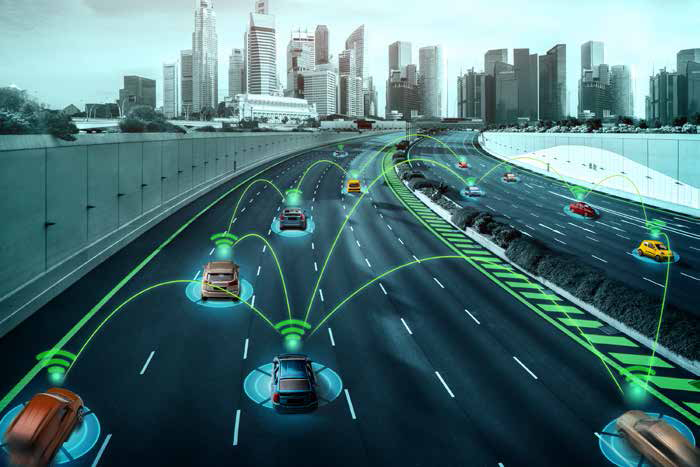
It combines cameras, sensors, and AI so that the system can actually understand what is happening during a trip, not just where the trip happened.
That difference sounds small on paper, but in real operations it changes everything.
With AI Video Telematics, the system can notice when a driver starts getting distracted, when braking becomes aggressive, when a vehicle is too close to the one ahead, or when fatigue starts to show. The alert comes immediately, not later in a report.
And that is the point where accidents start getting prevented instead of documented.
Many fleet managers don’t fully understand the impact until they see the alerts happening in real time. When you watch Novus SafePro in action, you can see how the dashboard updates instantly and how the system reacts before the driver even realises the risk. It’s also why a lot of decision-makers prefer going through the brochure — not because they don’t believe the technology, but because they want to see how it fits into their own fleet management systems without disrupting operations.
Why traditional fleet management systems miss the real problem

Most fleets today still rely on standard tracking tools.
Location, speed, fuel usage, trip reports — all of that is useful.
But none of that tells you why accidents happen.
A report can show overspeeding, but it cannot show distraction.
It can show route history, but not fatigue.
It can show braking, but not the reason behind it.
That’s why companies that depend only on traditional fleet management operations often feel like they are reacting to incidents instead of controlling them.
In reality, most accidents come from behaviour, not from mechanical failure.
Distraction.
Tired driving.
Late reactions.
Unsafe distance.
Poor awareness.
Without cameras and AI, those things stay invisible.
This is where fleet video telematics starts making a real difference.
Once the system can see the road, the cabin, and the driving pattern together, the story becomes much clearer.
Many operators only realise how much risk they were missing after installing a proper fleet safety telematics system. When they watch Novus SafePro in action, the contrast with traditional tracking becomes obvious. The system doesn’t just record incidents — it warns before they happen. For teams evaluating safety upgrades, downloading the Novus brochure usually helps because it shows how AI Video Telematics works in real fleets, not just in product demos.
How AI Video Telematics actually reduces accidents

The reason AI Video Telematics can reduce accidents by such a large margin is simple.
It shortens reaction time.
Modern AI-powered video telematics can recognise patterns that drivers sometimes miss.
If the vehicle ahead brakes suddenly, the system reacts instantly.
If the driver looks away too long, the system notices.
If the distance becomes unsafe, the alert comes before the situation turns critical.
That extra second matters more than most people realise.
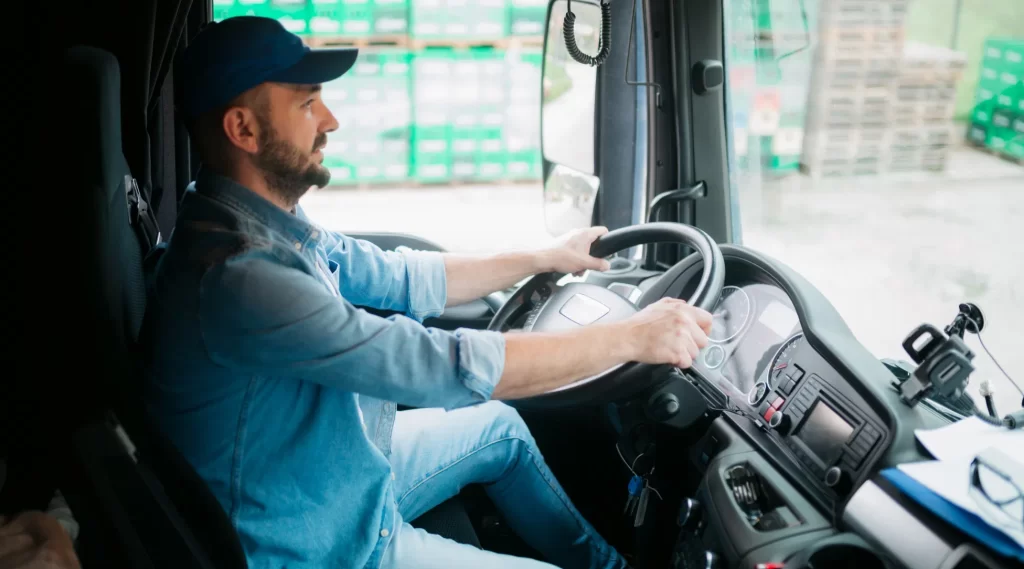
Forward-facing cameras combined with AI can detect obstacles, sudden stops, pedestrians, or lane drift. Inside the cabin, monitoring cameras can detect fatigue or distraction. Together, they create a complete video telematics system that works all the time, not only after something goes wrong.
Fleets using AI-powered dash cams often report fewer collisions simply because drivers get warned earlier. Over time, behaviour changes as well. When drivers know that events are recorded and analysed, they naturally become more careful.
The best way to understand this is not by reading specifications but by seeing the system in real driving conditions. When you watch Novus Safe Pro in action, you can see how alerts appear live and how the analytics dashboard tracks behaviour across vehicles. Many fleet operators also download the brochure at this stage because it explains how video telematics for fleets actually reduces risk using data, not assumptions.
Video Telematics is no longer optional for fleet safety

Fleet accidents will never disappear completely, but the way fleets deal with them is clearly changing. Companies that still depend only on traditional fleet management systems often realise too late that tracking location is not the same as managing risk. The real causes of incidents usually come from behaviour — fatigue, distraction, unsafe distance, or delayed reaction — and these are things basic reports cannot capture. This is where Video Telematics has started to make a real difference, especially with the use of AI Video Telematics and modern fleet safety telematics systems that can detect problems while the vehicle is still on the road.
Across logistics, construction, mining, and industrial transport, more operators are moving toward AI video telematics because it gives them something they never had before — context. Instead of guessing what happened after an incident, they can see what led to it, why it happened, and how to stop it next time. Over time, this visibility changes driver behaviour, improves discipline, and reduces the number of accidents in a very practical way. That is the reason many fleets using video telematics for fleets report significant drops in incidents, sometimes close to sixty percent, not because drivers suddenly become perfect, but because the system helps them avoid mistakes earlier.
Solutions like Novus Safe Pro are built around this idea of prevention instead of reaction. By combining AI Video Telematics, driver monitoring, and real-time analytics into a single platform, Novus makes it easier for fleet operators to understand what is happening across vehicles without adding complexity to their existing fleet management systems. For companies that want to see how this works outside of product specifications, watching Novus SafePro in action usually gives a clearer picture of how alerts, recordings, and analytics come together during real driving situations. Many decision makers also prefer to go through the Novus brochure at this stage, simply to understand how a complete fleet video telematics system can be deployed without disrupting current operations.
The future of fleet safety will not be built only on tracking. It will be built on awareness, prediction, and better decisions made in real time. And as AI Video Telematics continues to evolve, fleets that adopt it early will not only reduce accidents, but also operate with more confidence, better compliance, and far fewer surprises on the road.