




History of Assembly Line Automation
Automation of assembly lines revolutionized the production industry during the early part of the 20th century with Henry Ford and the auto business. Assembly lines made possible mass production of automobiles while drastically cutting production expenses and increasing efficiency. In the modern global, more competitive marketplace, manufacturers are once more examining automation as an addition to their production line.
There are quite a number of advantages one receives with automation. For instance, improved productivity, improved quality of output, and cost reduction. With repetitive tasks and labour-intensive tasks able to get automated, an organization has much to gain through improved production and thus fewer mistakes. Another advantage is that with improved automation of the production line, manufacturers will respond faster to the changing customer taste and demand in the marketplace.
There are several degrees of assembly line automation ranging from basic kinds of robotic systems all the way up through total integration of assembly line automation production. Several of the assembly line automation systems can be tailored to a number of differing kinds of production processes and industrial applications.
Producers, engineers, and business proprietors are likely to gain the biggest advantage of learning and employing assembly line automation. For producers, the capacity to lower production expenses enables manufacturers with higher production capabilities and competitiveness. Engineers can implement assembly line automation to conceive improved production systems that are frequently more efficient and reliable. Entrepreneurs can gain the highest return from their investment while they are able to improve their efficiency and thereby bring their operating expenses down.
What is Assembly Line Automation?
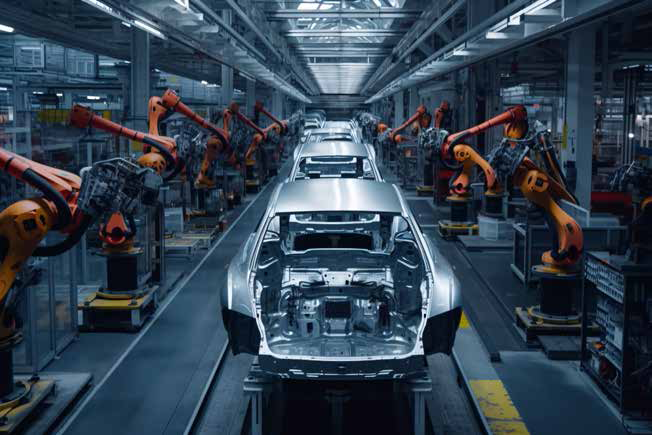
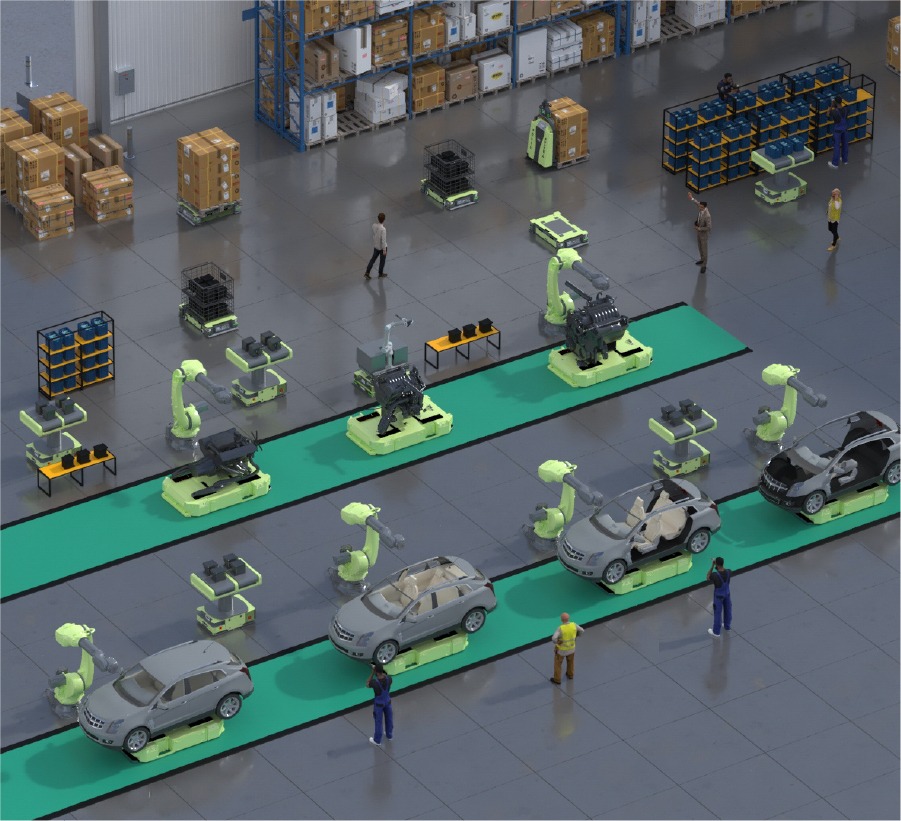
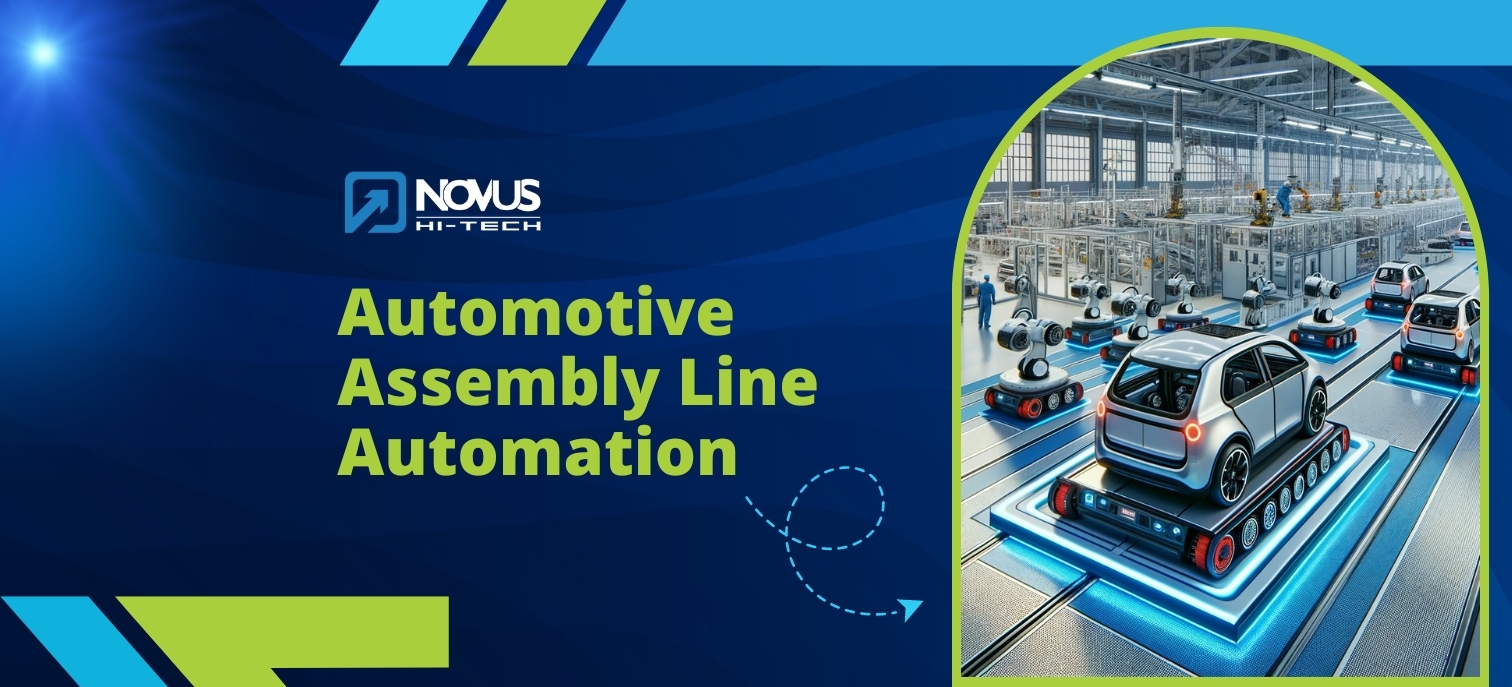
Process of assembly-line automation takes place once automated systems and technologies are used for aligning and facilitating smooth production process flows. It may incorporate all kinds of intelligent assembly robots and state-of-the-art automated machinery like robotic arms, Automated Guided Vehicles (AGVs), sensors, vision systems, conveyor systems, controller systems, and software programs, etc., and execute jobs that were once manual assembly line tasks done by humans, such that a manual assembly line empowered humans with the capability of assembling parts of a product, inspecting the product, and managing the material flow. Semi-automatic assembly lines combined both manual and robotic tools as work sources and used automated systems as the only dependency to perform each part of assembly.
The major constituents of assembly line automation are:
- Robots: Robots are utilized during repetitive activities with high speed and accuracy. These are some of the versatile activities that entail complex procedures and minute timing in alternate cycles. These are also frequently used with other hardware with a complete automation process.
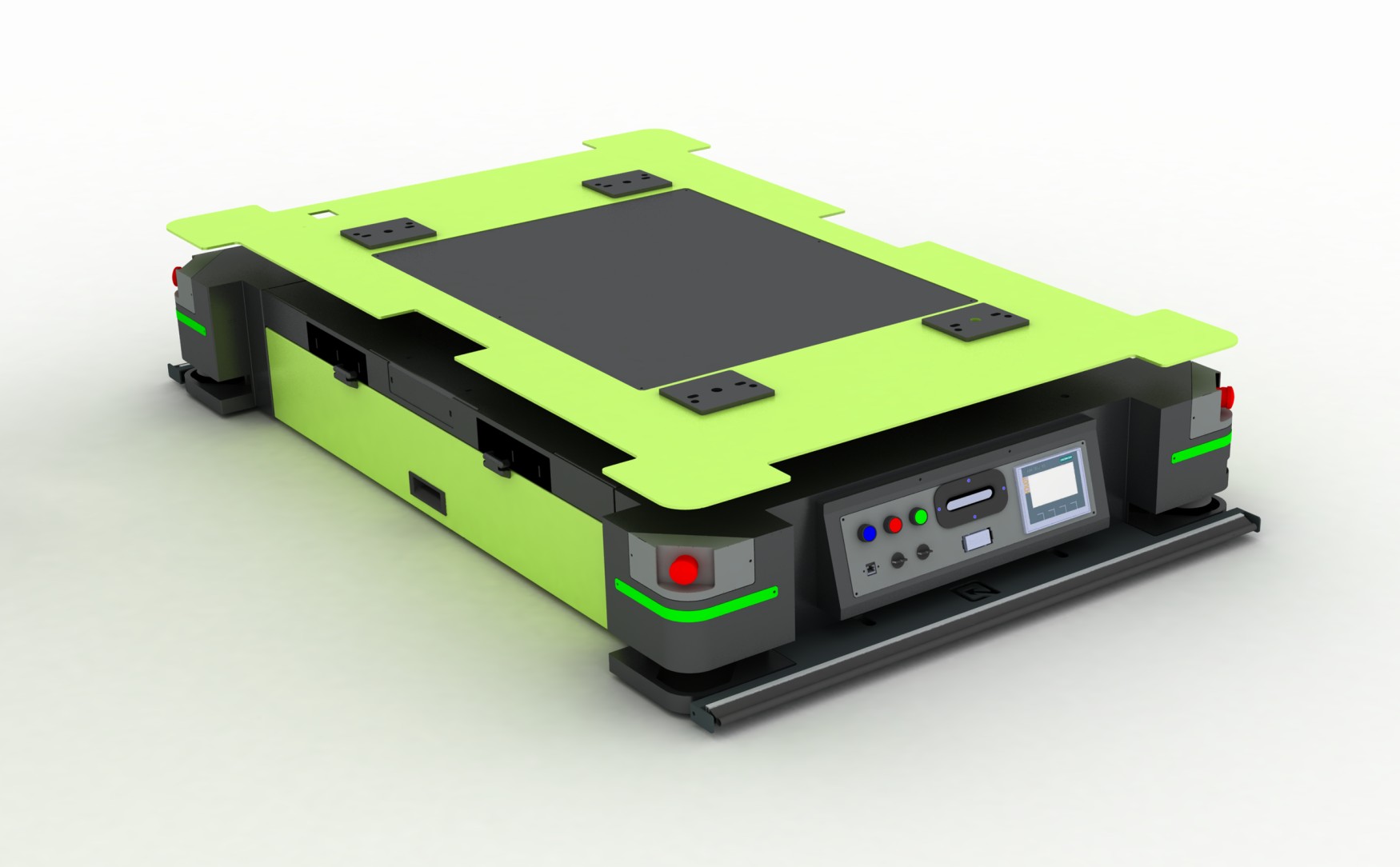
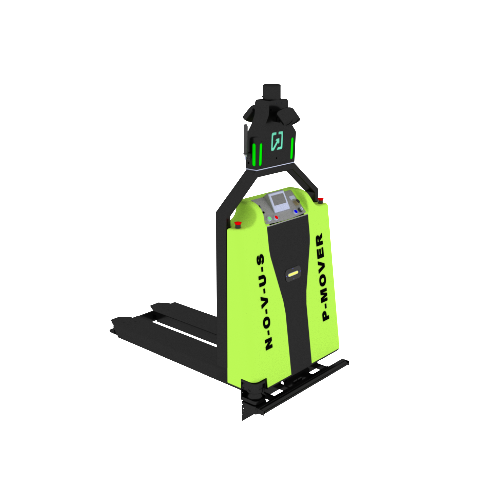
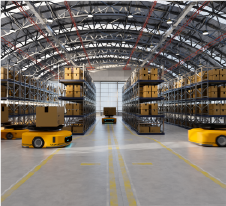
- AGVs / AMRs: These are driverless vehicles utilized to transport materials and products in the production line. AGV/AMRs are designed with sensors and navigation systems such that they can travel securely and tread efficiently within the production plant.
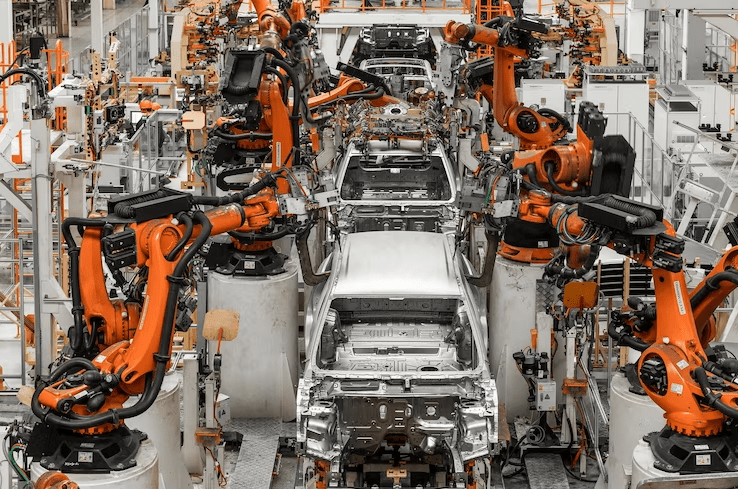
3. Robotic arms: Part removal and insertion, welding, and painting These arms carry out a number of functions. Robotic arms are very adaptable and may be programmed with a wide variety of functions because they can perform a number of functions.
4. Conveyors: Conveyors are generally observed carrying parts and components through the assembly line. Handling material with the use of conveyors is done with the aim of removing manual handling. Conveyor systems are designed with the production process specifically in mind and can improve efficiency and capacity a great amount.
5. Sensors and vision systems are in place to observe the process of assembly and determine that every step of the process is carried out sufficiently. Sensors are able to detect part flaws, while vision systems detect parts and components and assist the robots in carrying out tasks. Vision systems incorporate cameras and sensors and are used to detect and identify parts in zip with the line. These may be utilized to check that parts are being properly assembled and to detect flaws or abnormalities.
6. Both systems and control software coordinate and govern the entire process of automation. Control systems ensure that the components of the assembly line meet each other entirely smoothly while software is used to schedule the process of assembly, yet also observe the process in real time.
Discover how Assembly Line Automation boosts efficiency and innovation.
Download our free brochure for expert insights and trends!
There are Different Types of Assembly Line Automation

1. Fixed Automation: It involves utilizing specific equipment or dedicated machinery for the purpose of automating certain tasks or a process. Such automation becomes frequently applied during high volume production of standard products.
2. Flexible Automation: With this type of automation, one finds the use of programmable robots or machinery that can immediately be repurposed or easily programmed with a new program or process. Flexible automation offers greater flexibility with any changes that may occur with production needs and product configurations.
3. Lean Automation: Lean automation viewed in context is a melding of lean manufacturing and automation technologies. It aims to eliminate wastage, boost efficiency, and bring maximum value to the production process.
4. Rise of Automation: The rising level of automation is witnessed across a number of sectors because of the following significant factors:
- Labor Shortages: There is an increasing scarcity of good labor in many sectors. Automation can replace manual jobs that otherwise would be done by human labor.
- Increasing Competition: Competition has become more intense with globalization. With automation, the cost of production goes down and productivity increases while a business remains competitive worldwide.
- Increasing Costs: There is an increasing cost of labor in much of the world. Automation will assist with reducing the cost of labor since the machines will frequently be more efficient and effective at a lesser cost compared to labor.
- Advances in Technology: As further advances (robotics, AI, ML) are made automation becomes less expensive, properly-priced, and more generally accessible to advancing companies.
Future Directions of Automation Technology

In the long run, some of the major future trends of the automation technology will inevitably come to characterize the workplace:
1. Increased Use of Robotics: Robotic technology will further improve and become more agile and flexible with capabilities being expanded to an increasing number of activities.
2. AI and Machine Learning Integration: Automation systems are already implementing AI & ML solutions such that machines will learn from experience and get more efficient with the passage of time.
3. Collaborative Robotics: Collaborative robots, as the name suggests itself, are actually intended to work alongside people and improve efficiency and safety during workplace operations.
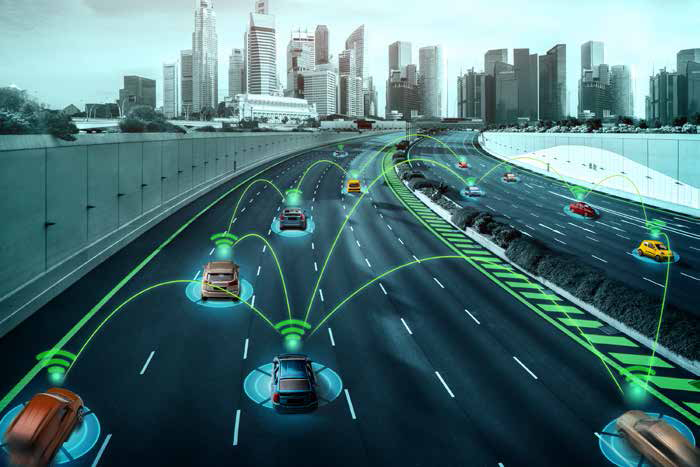
4. IoT and Connectivity: How IoT affects devices, is at a surface level, greater connectivity, which significantly enhances the capabilities of physical organisms to communicate and coordinate with one another through automation systems.
5. Green Automation and Sustainability: Sustainability in production is increasing in attention, and automation technology is a significant factor in reducing energy consumption and waste in the production process.
On the whole, it is expected that automation technology will continue to evolve – resulting in manufacturing processes that will, in the future, be more effective, flexible, and sustainable.
Benefits of Assembly Line Automation

Automation of the processes of an assembly line offers a myriad of advantages to institutions across sectors; a few of those benefits that are widespread are as follows:
1. Increased Efficiency: Computerized procedures build better techniques of operations that mitigate the hardship of the unforeseen cessation of the labor force. Consequently, you will boost efficiency, production, and shorten the duration of producing goods.
2. Better Quality: With automated processes carrying out tasks efficiently and consistently, the quality of work can be hindered either purposefully or unintentionally by human employees. Better quality of execution will be automated processes.
3, Cost Savings: Upfront costs of automated procedures may be higher than employing a workforce. Although this cost may be higher at first, it will save overhead costs further down the line, creating more profitability.
4. Higher Output: With relative ease, you can increase the output of a process; however, it can be costly and challenging to handle a larger workforce. Online assembly processes nullify both issues at each organization level.
5. Enhanced Protection: Most risky part of production activities entails repetitive performance of activities of tasks done by the workers. Automation has the ability of performing any repetitive tasks providing the workers with more prominent activities towards a safe environment.
6. Flexibility and Scalability: Robotic automated assembly lines are quickly rereconfigured with no need of retraining and hiring process an organization’s workers.
7. Data Collection and Analysis: Automated assembly lines can track live production data sets providing factual evidence of opportunities to create efficiencies, workflow regardless of complexity, and performance at every level.
8. Competitive Advantage: Businesses implementing automated processes will gain a competitive advantage over businesses utilizing only manual labor and labor management process improvement procedures.
Everything included, line automation favors business enterprises with greater efficiency of operations, quality of output, cost savings, and safe production. And business enterprises can take advantage of automation technology to make the most of production, adapt with fluctuations, and realize long-term success amidst competition!
Implementing Assembly Line Automation

When you partner with Novus Hi-Tech, you gain access to:
– Innovative automation technology tailored to your specific manufacturing needs.
– From the consulting call through post installation support.
– Affordable methods that promote waste minimization and optimize production.
Look to Novus Hi-Tech as your automation solution provider and enable you to stay one step ahead of the competition and grow with assurance. We can assist you with production optimization and achieving unparalleled operational efficiency.
Reach out to us today regarding automation solutions that can transform how you produce.
CASE STUDIES: Effective Applications of Assembly Line Automation
Businesses such as Maruti Suzuki, Ola Electric, John Deere and others have successfully implemented Robotic Automation in their assembly lines.
Challenges and Considerations:
Implementing automation on an assembly line can provide businesses with great benefits; however, there will be some challenges and considerations that the business will need to address.
The following list states several of these challenges and considerations:
Initial Capital Outlay: Among the first of the challenges a business will encounter with experimenting with automation will be an initial capital outlay. Here the business has to consider whether or not the startup cost as well as short- and long-term ROI of automation are reasonable.
Return on Investment (ROI): Measuring return on investment could become a complicated matter. Apart from the cost and savings of the automated process, the company should also consider improved productivity, quality improvement, and competitiveness through automation.
Job Displacement: There can also be a job displacement with automation as a result of the automation of tasks that were otherwise requiring human inputs. Companies that are already utilizing automations will need to talk with their employees about this issue and consider retraining their employees as needed.
Maintenance and Technical Skills:
Maintenance and technical skills are needed to continuously run automation systems efficiently. Companies should create the requisite technical expertise to keep their automation systems operational.
Integration of Current Units with New Systems: When you introduce new automation systems to your current systems, a particular effort should be undertaken to integrate the new systems with your current systems and procedures fully.
Compliance and Regulatory Issues: Automation systems must comply with regulation codes and standards. If a business does not ensure that their automation systems are consistent with regulation guidelines, it runs the risk of legal ramifications for noncompliance.
Employees’ Resistance to Change: The implementation of automation creates a real disruption, and employees can resist because they are concerned about the loss of job security or the alteration of job responsibilities. Companies should communicate efficiently with employees and get involved with the process of helping to lessen resistance to change.
Scaling and Flexibility: Automation systems also need to scale and become adaptable as business needs grow. Scalability and flexibility of automation systems should also be considered by companies because they also need to envisage the future.
Privacy and Data Security: Automation systems produce and often rely upon colossal datasets. Businesses ought to consider whether or not such information is secure and whether privacy matters were resolved.
Sustainability: While automation can create efficiencies and resulting cost savings, companies also must consider the sustainability effects of their automation systems. Companies must strive to make their automation systems as sustainable as possible.
By thinking about these challenges and considerations, businesses can successfully implement assembly line automation and maximize their benefits.
Future of Assembly Line Automation Due to shifting industry demands and technological advancements, smart assembly line automation is set for a revolutionary future.
The following significant developments and trends are influencing how assembly line automation will develop in the future:
Advanced Robotics: Robotic technology has advanced rapidly and is making robots smarter, more agile, and capable of carrying out complex tasks.
Cobots or sophisticated robots that are capable of cooperating with people are likely going to become commonplace on factory floors in the future.
Automation systems are also increasingly utilizing artificial intelligence (AI) and machine learning: enabling machines to learn from data, adapt their behavior to unexpected situations, and improve processes automatically. It is projected that this trend will yield smarter and yet more adaptable systems of assembly lines.
Internet of Things (IoT) and Connectivity: With the IoT, machines are increasingly interconnecting with each other, and this allows easier coordination and communication of automated systems.
Connectivity like this will reportedly improve productivity and lower downtime while enabling predictive maintenance. Virtual replicas of physical resources, systems, or procedures are called “digital twins.” These are applied prior to deploying systems or procedures of an assembly line system into practice in the physical world to model and optimize their performance. It is expected that designing and optimizing assembly line automation will increasingly rely on digital twins. Sustainability and Green Automation Sustainability is increasingly a vital component of manufacturing and automation technology strives towards minimizing waste and energy use during the production process. Energy-efficient practices and parts will become a part of coming assembly line system designs with sustainability in mind.
- Collaboration between Humans and Machines: The expectation is that there will be more collaboration between humans and machines in assembly line automation. Although automation will continue to perform repetitive and dangerous tasks, humans will be available for more challenging and creative tasks that require human reasoning and dexterity.
- 3D Printing and Additive Manufacturing: The design and production of products is changing because of new designs based technologies using 3D printing and additive manufacturing. These design methods are expected to have a larger role in automation of assembly lines because of the potential for having more flexible design options and customization of products.
- Augmented Reality (AR) and Virtual Reality (VR): AR and VR technologies can be used to support the training, maintenance, and troubleshooting of assembly line systems. AR and VR technologies are expected to be used more for assembly lines with technology to improve productivity and minimize downtime.
Overall, the outlook of assembly line automation is very positive with technology being an enabler of innovation and efficiency in manufacturing. With the acceptance of trends and development in technologies, businesses can reach out ahead of the competition, and continue to be competitive in the global market. If you would like to discuss which automation system is best for you, book a free consultation call with Novus Hi-Tech’s automation Engineers.
Conclusion
The automation of manufacturing processes on an assembly line is an important movement in today’s modern manufacturing field, for numerous reasons. They include improved efficiencies, greater quality, lower costs, and increased competitiveness. Beginning with Henry Ford, through today’s advanced robotic technologies and IoT, automation has reengineered how products are made. For the future, advanced technologies, such as robotics, artificial intelligence (AI), and IoT will be needed to advance business. This quote summarizes the theme and uses of automation—it is about bringing the process to life for businesses and the people within them. By utilizing and deploying automation thoughtfully, businesses can leverage the technology to optimize production, Human Capital, the TMT (Top Management Team), and profit in a competitive environment.
FAQs
What is a robotic assembly line?
A robotic assembly line is a means of manufacturing in which robots perform the roles of human workers. Robots tend to undertake repetition and precision operations or safety operations that are either dangerous or impossible for a human worker. In manufacturing, robotic assembly lines are used by automotive, electronics, and packaging manufacturers for presentation, assembly, welding, and handling.
What is an automated manufacturing system?
An automated manufacturing system employs technology or machinery to take on the work of manufacturing with only human interaction. It is an integrated operation comprising technologies such as robotics, computer controlled machinery and software as an interface to provide an increased level of sophistication in the production process of manufacturing products. An automated manufacturing system can include conveyor belts, robotic arms, and CNC machinery to achieve precision and scalability within the production process.
How do automated factories work?
Automated factories work by utilizing robotics, abundant sensors, AI, and machines that are interconnected that work to manufacture a product from start to finish. The product is processed from raw materials, assembled to packaged through automated workflows and very little manual input. Automated factories run on real time data collection and data monitoring systems to optimize the performance of the automated factories while minimizing downtime. Automated factories provide increased speed of production cycles, reduction in cost of production, and improvements in quality of product being produced.