
Road safety in smart mobility has a problem that sensors and automation alone cannot solve: the driver. For fleet operators, commercial vehicle OEMs, and transport safety managers, this is not an abstract concern. It shows up in accident reports, compliance audits, and insurance costs. Advanced Driver Assistance Systems (ADAS) have made meaningful progress on the vehicle side, reducing collisions through lane-keeping, forward collision warning, and adaptive cruise control. But ADAS operates on a fixed assumption: that the person behind the wheel is alert, focused, and in control. In commercial transport, that assumption fails often enough to matter.
Driver fatigue and distraction are among the leading causes of road accidents globally. According to the World Health Organization, road traffic crashes cost most countries 3% of their gross domestic product, with human error as the dominant factor. Driver Monitoring Systems (DMS) exist to close this gap, tracking driver state in real time and intervening before a lapse becomes an incident. For fleet operators and OEMs, integrating driver monitoring in smart mobility infrastructure is no longer optional; it is increasingly central to safety compliance, liability management, and operational performance.
This blog covers what DMS is, how it integrates with ADAS in a fleet or OEM context, and where the technology is heading as smart mobility regulations tighten across India, the EU, and GCC markets.
The Rise of DMS in Modern Vehicles
As vehicles become more connected and autonomous, the need to monitor driver behavior becomes imperative. Driver Monitoring Systems (DMS) are becoming increasingly prevalent in modern vehicles, offering a proactive approach to enhancing safety and comfort. These systems employ various technologies to detect and mitigate potential risks associated with distracted, fatigued, or impaired driving.
Types of DMS technologies include:
- In-Cabin Cameras: These cameras are strategically placed within the vehicle’s cabin to monitor the driver’s face, eye movements, and head position, providing valuable insights into their attentiveness and alertness levels.
- Steering Pattern Analysis: By analyzing the driver’s steering inputs, these systems can identify patterns that may indicate distraction, drowsiness, or impaired driving.
- Biometric Sensors: Sensors integrated into the steering wheel, seat, or other surfaces can monitor the driver’s heart rate, respiration, and other vital signs, helping to detect fatigue or impairment.
Learn how Driver Monitoring systems evolve beyond ADAS for safer driving.
Download our free brochure/e-book for expert insights and trends!
Applications of DMS in Smart Mobility
Driver monitoring in smart mobility covers two primary areas: safety enforcement and driver experience personalisation.
Safety Enhancement
- Fatigue Detection: DMS can identify signs of driver drowsiness, such as yawning, heavy eyelids, and erratic steering, and provide timely alerts or initiate safety measures.
- Distraction Monitoring: By monitoring eye movements and head position, DMS can detect when a driver’s attention is diverted from the road, enabling appropriate interventions.
- Impaired Driving Detection: Biometric sensors and behavior analysis can help identify signs of impaired driving, potentially preventing accidents caused by substance abuse or medical conditions.
Personalization and Comfort
- Adaptive Climate Control: DMS data can be used to adjust the vehicle’s climate control system based on the driver’s physiological state, ensuring optimal comfort.
- Customized Infotainment: By recognizing the driver’s preferences and habits, DMS can tailor the infotainment system for a personalized experience, reducing distractions and enhancing convenience.
How DMS Complements ADAS
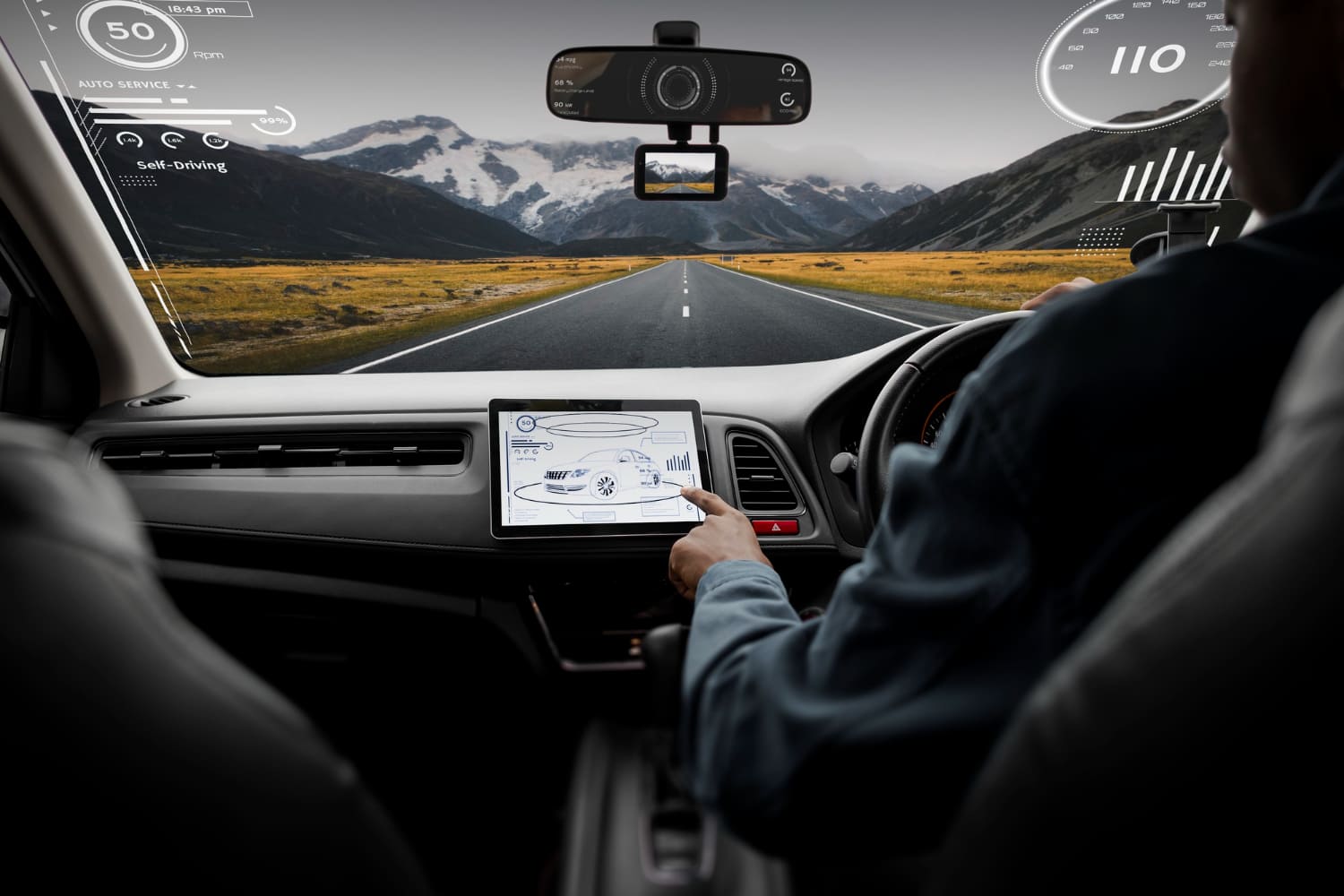
While ADAS has significantly improved road safety, it primarily focuses on environmental factors and vehicle dynamics. Driver monitoring systems complement ADAS by addressing the human factor, which accounts for a significant portion of accidents. As the demand for enhanced safety and personalized driving experiences grows, the automotive industry is increasingly recognizing the value of integrating DMS into their vehicle lineups.
The Future of Driver Monitoring in Smart Mobility
The next phase of driver monitoring in smart mobility will be shaped by edge computing, 5G connectivity, and more precise sensor arrays. These will enable faster data processing, lower-latency alerts, and tighter integration with autonomous vehicle platforms and ride-sharing infrastructure.
As automation levels increase, DMS will play a larger role in supervising human-machine handover, ensuring the driver is ready to take control when the vehicle requires it. Regulatory pressure in markets including the EU and India is accelerating adoption timelines for both OEMs and fleet operators.
Privacy and consent remain active considerations. Responsible DMS deployment requires transparent data policies, on-device processing where possible, and clear communication to drivers about what is monitored and how data is used.
Conclusion: Driver Monitoring as a Smart Mobility Standard
By combining cutting-edge technologies like computer vision, AI, and biometric sensors, DMS offers a comprehensive approach to addressing the human factor in driving. From enhancing safety through fatigue detection and distraction monitoring to personalizing the driving experience through adaptive climate control and customized infotainment, DMS is redefining the future of smart mobility.
Contact Novus Hi-Tech to learn about our DMS solutions and how they integrate with your fleet or vehicle programme.
Let’s pave the way for a safer and smarter future of mobility.