

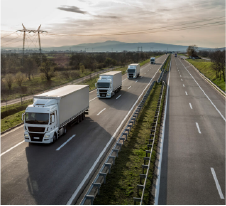
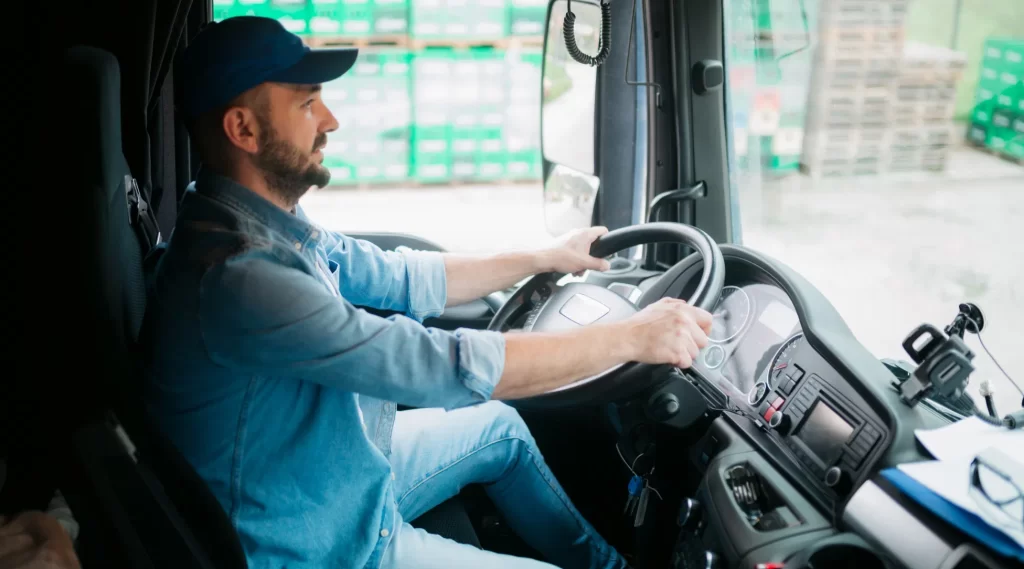

Having a fleet in India means you are well aware of how inconsistent the roads can often be, with a perfect driving day instantly turned upside down by a sudden stop, a collision in the blind-spot of another vehicle, and for many fleet operators, a fraudulent accident claim. The rise in vehicle insurance premiums and ever-increasing emphasis on meeting Delivery SLA’s means that safety has become the number one focus for all companies involved in Logistics, Transport & Mobility.
That’s exactly why video telematics has seen such strong adoption across the country. The right system can reduce accidents by 40–70%, prevent fraudulent claims, and give fleet owners a real-time view of what’s happening behind the wheel. With the video telematics market expanding rapidly, fleet owners now have more choices—and more confusion—than ever.
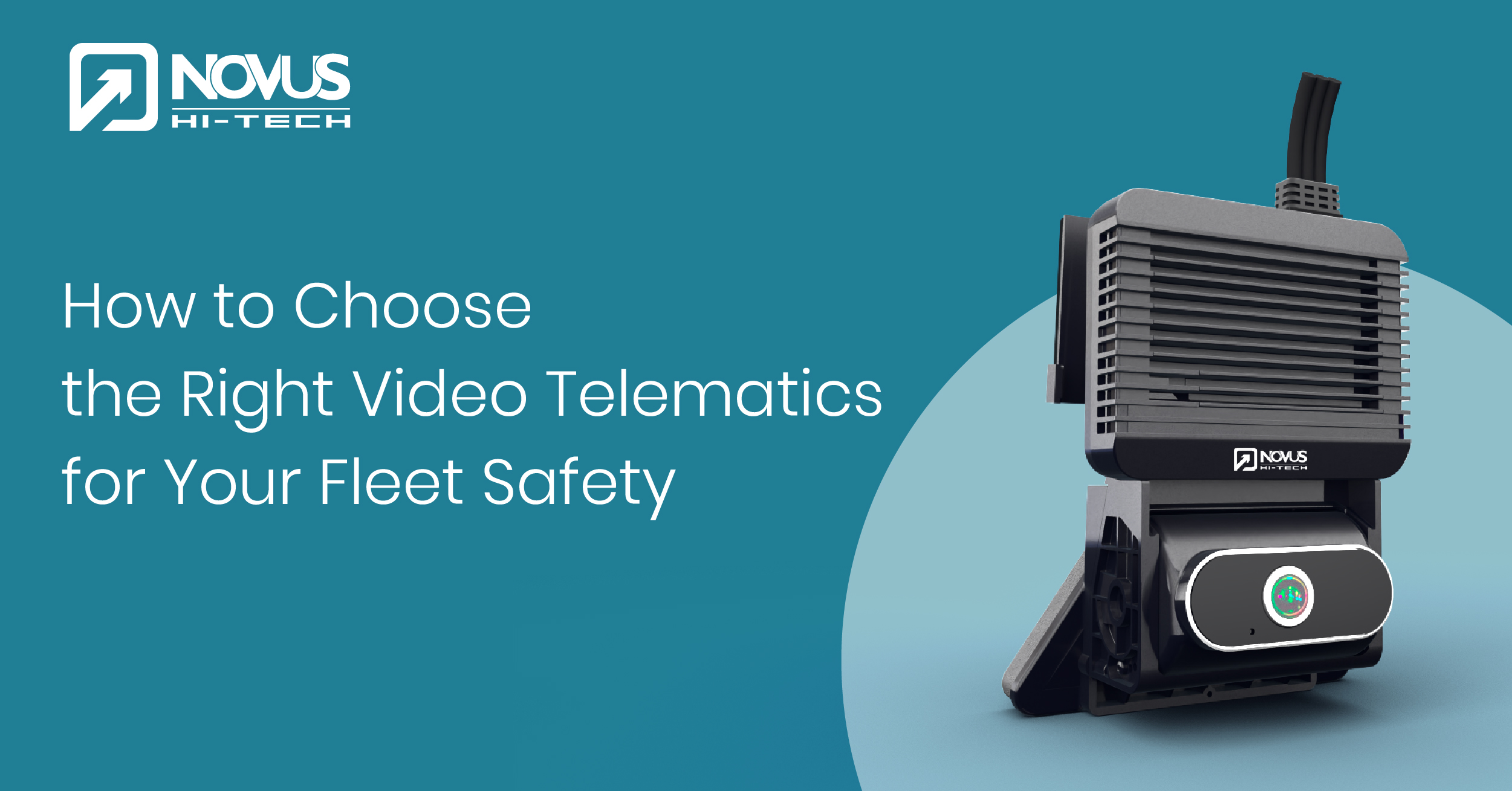
This guide will help you cut through the noise. And while we explore how to choose the right solution, one name you’ll hear repeatedly is Novus Hi-Tech, one of India’s fastest-growing providers of AI-powered, made-for-India video telematics.
What Exactly Should Video Telematics Do for Your Fleet?

Before choosing any device or platform, it’s important to understand what video telematics should actually deliver. Many people ask, “What is video telematics? Is it just a camera with GPS?” Absolutely not. A true video telematics system goes far beyond recording; it actively improves on-road behaviour, compliance, and fleet efficiency.
1. Reduce Risky Driving Behaviour
A good solution spots the habits you can’t see from an office—harsh braking, overspeeding, rapid acceleration, rolling stops, tailgating, and phone usage. AI-driven alerts warn drivers immediately and reduce high-risk actions before they turn into accidents.
2. Exonerate Drivers from False Claims
A major advantage of using video evidence is protecting your drivers. Time-stamped clips with road-facing and cabin-facing angles offer undeniable proof during insurance disputes, legal cases, or customer complaints.
3. Enable Real-Time Coaching
Video telematics systems are most effective when they offer:
- Instant in-cab audio alerts
- Post-trip coaching reports
- Behaviour-based scoring
This helps drivers self-correct daily instead of depending only on manual training.
4. Ensure Regulatory Compliance
India’s evolving safety environment demands compliance with:
- AIS-140
- IRDAI motor insurance requirements
- FASTag integrations
Choosing a future-ready system helps you avoid fines and remain compliant effortlessly.
Which Camera Configuration Is Right for Your Vehicles?

Not all fleets require the same video telematics setup. Your ideal configuration depends on routes, vehicle types, and risk exposure.
Single Channel (Road-Facing)
Best for:
- Line-haul trucks
- Intercity buses
- Highways
It captures forward collisions, lane departures, and speeding.
Dual Channel (Driver + Road)
Ideal for:
- Urban trucks
- School buses
- Employee transportation
This helps monitor fatigue, distraction, and unsafe behaviour while also capturing the road ahead.
Multi-Channel (4–8 Camera Setup)
Recommended for:
- Logistics fleets
- Large trucks
- Hazardous goods vehicles
- Cold-chain and FMCG distributors
Side, rear, and cargo cameras help eliminate blind spots, detect unsafe loading-bay movements, and track asset handling.
Highways vs City—What’s the Best Setup?

- Highways: ADAS-heavy setups (Forward Collision Warning, Lane Departure Warning, Headway Monitoring)
- City: DMS-heavy systems (distraction alerts, smoking detection, phone usage detection)
The more complex your routes, the more essential it becomes to choose a robust camera configuration.
What AI Features Actually Prevent Accidents (Not Just Record Them)?

A traditional dashcam only tells you what happened after an incident. But ai based video telematics does something far more important—it prevents accidents before they happen.
1. Real-Time In-Cab Voice Alerts
Drivers react faster when they hear instant warnings:
- “Maintain safe distance”
- “Lane departure detected”
- “Driver distraction detected”
- “Overspeeding alert”
Microseconds matter—and real-time alerts save lives.
2. Advanced Driver Assistance Systems (ADAS)
A strong ADAS module includes:
- FCW: Forward Collision Warning
- LDW: Lane Departure Warning
- HMW: Headway Monitoring Warning
- PCW: Pedestrian Collision Warning
These are essential for highways where split-second reactions matter.
3. Accurate Driver Monitoring System (DMS)
The true value of AI is in accuracy. Look for systems that can detect:
- Drowsiness
- Distraction
- Phone usage
- Smoking
- Seat belt violations
The best solutions—like Novus Hi-Tech—are trained specifically on Indian driver behaviour, ensuring fewer false positives.
How Reliable and Secure Should the Hardware Be for Indian Roads?

India’s terrain is unique—extreme temperatures, dusty environments, potholes, heavy vibrations. Your video telematics hardware must be tough enough to survive all of this.
1. Built for Heat, Dust & Vibrations
Check for:
- Wide operating temperature range
- IP rating for water and dust resistance
- Anti-vibration mountings
2. Tamper-Proof Hardware
This includes:
- Lockable casing
- Automatic tamper alerts
- SOS button for driver emergencies
If a driver covers or removes the camera, the system should notify you instantly.
3. Reliable Connectivity
A strong system should offer:
- 4G dual-SIM support
- Offline recording (no network, no problem)
- Auto-sync once connectivity returns
Nothing should stop incident footage from being recorded.
Which Software Features Actually Save You Time and Money?

Modern platforms do more than store video. A well-designed video telematics system should simplify your day-to-day operations.
1. Instant Cloud Upload & Live Streaming
Videos should be retrievable in under 10 seconds. Anything slower wastes valuable time during investigations.
2. Smooth Integration with Existing Tools
Look for API support to connect with:
- FMS (Fleet Management Systems)
- ERPs
- Driver attendance tools
- FASTag platforms
Good software doesn’t replace your current tools—it enhances them.
3. Driver-Friendly Coaching Dashboard
A powerful dashboard includes:
- Driving scorecards
- Behaviour trends
- Leaderboards
- Training modules
This builds a culture of safety and gamifies performance improvement.
How Much Does Quality Video Telematics Really Cost in India?

Costs vary depending on camera channels, AI capabilities, and software features, but most solutions follow two models:
1. Hardware Purchase + Annual Subscription
You buy the device once and renew the platform fee annually.
2. Monthly Subscription Per Vehicle
A lower upfront cost and predictable monthly billing.
How Fast Do You Recover the Investment?
Most fleets see ROI in 6–12 months, thanks to:
- Fewer accidents
- Lower insurance premiums
- Lower vehicle wear & tear
- Reduced downtime
- Improved fuel efficiency
In the long run, video telematics is one of the smartest investments a fleet can make.
Why Novus Hi-Tech Is the Right Choice for Indian Fleets

If you’re evaluating options in the video telematics market, Novus Hi-Tech stands out for one key reason—it’s engineered specifically for Indian driving realities.
1. 100% Made-for-India Hardware
Rugged, durable, and tested on Indian road conditions.
2. AI Trained for Indian Roads
Its ai based video telematics engine recognises:
- Indian traffic patterns
- Local driving behaviours
- Road anomalies
- Low-light situations
This means higher accuracy and fewer false alerts.
3. 24×7 Local Support (Hindi & English)
A 4-hour response SLA ensures your fleet never feels stuck.
4. Proven Success with Top Fleets
Trusted by leading:
- Logistics giants
- Employee transport companies
- Bus operators
- E-commerce fleets
Novus Hi-Tech has built a reputation for reliability and accuracy.
Your 7-Step Checklist to Select the Perfect Video Telematics Solution

Before finalising any system, go through this quick checklist:
- Identify your top three safety goals
- Decide how many camera channels you need
- Ensure real-time in-cab alerts
- Verify the hardware durability
- Test the video retrieval speed
- Check software integration options
- Ask for a risk-free trial
If a provider clears all seven steps, you’ve found the right fit.
Conclusion
Choosing the right video telematics solution is no longer optional—it’s essential. The right system can prevent costly accidents, protect your drivers, and strengthen your reputation. With its India-specific AI training, rugged hardware, and world-class support, Novus Hi-Tech is helping fleets across the country drive with confidence and clarity.
If you’d like to see how real-time video telematics can transform your fleet safety, schedule a free demo with Novus Hi-Tech today.