

Today, we will look at how the world of manufacturing has dramatically changed over hundreds of years through different phases. Each phase is marked by radical changes in the innovation and the socio-economic structures around it. It is an unbelievable journey from the steam- and coal-powered machines of Industry 1.0 to today’s intelligent and human-centered systems in Industry 5.0. Each industry evolution shows humanity’s quest for efficiency, scalability, and creativity in its pursuits. Companies like Novus Hi-Tech are at the crest of this evolution to enable smart, adaptive, and collaborative manufacturing using automation and robotics.
Industry 1.0 – The Steam Engine Period
Social and Economic Effects
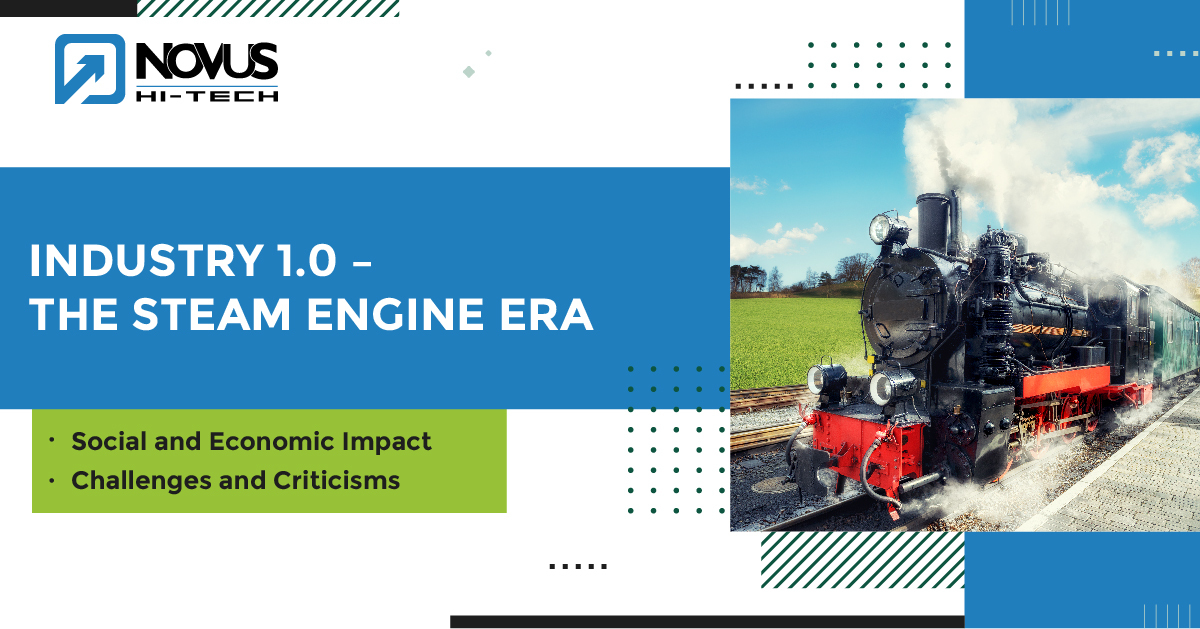
Industry 1.0, or the first industrial revolution, started in the late 1700s with the evolution of steam power. Humanity could, for the first time, turn to machines that could operate without reliance on human or animal work. This gave rise to the first textile mills, metalworking, and coal mining industries, ultimately leading to mass-scale production. Thus began the movement of families from rural villages into urban areas as the fledgling metropolitan centers began to emerge as modern cities.
Challenges and Criticism
Industry 1.0, even in its early years, was able to produce goods that were created faster and more consistently. It was also realized that in some cases, there were very poor working conditions and child labor, and a massive depletion of the environment as the agricultural way of life took a dramatic turn. However quickly, the human labor force needed to adapt to a machine industrious way of working with care, laws, and protocols, or lack thereof, as the number of regulations and safety protocols was very limited.
Industry 2.0 – The Emergence of Technology
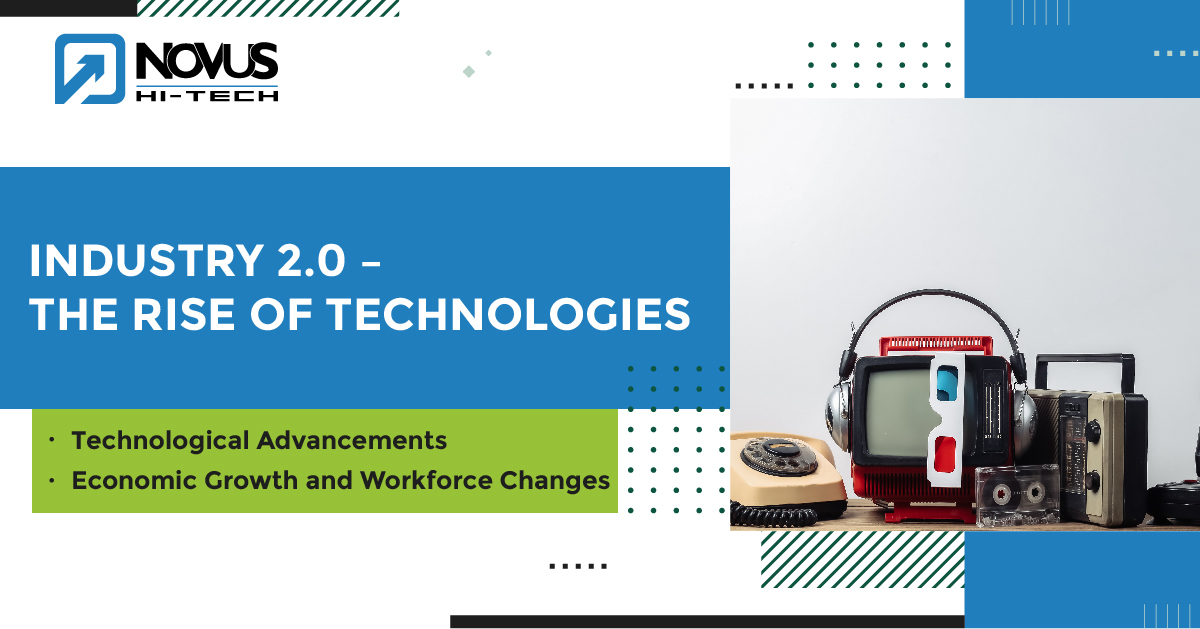
Technological Development
The second era of industrialization originated between the late 19th and early 20th centuries. Industry 2.0 introduced facilities for electrical power, internal combustion engines, and the assembly line. Mechanization had never been more available. With the help of mechanization, factories started to mass produce as quickly as possible.
Economic Growth and Workforce Changes
Most significantly, it represented an era of great economic growth. It was within this era that railways were connecting our markets, and telecommunications were improving supply chain management. With growth came workforce opportunities, with many new positions being created to manage machine floors and ensure the products met the required quality. Education and technical training became increasingly important to gain access to that workforce.
Industry 3.0 – The Digital Era
What Changed the Manufacturing World?
The era of Industry 3.0 emerged in the late 20th century. Industry 3.0 was defined as the period in which computers and electronics made their way into manufacturing. Technologies such as Programmable Logic Controllers (PLCs), Computer Numerical Control (CNC) machinery, and early iterations of robotics began to automate complicated manual tasks with very high precision and close repeatability.
Impact on Manufacturing
The digitization of these early technologies minimized human error and served to maximize productivity. Manufacturing systems became semi-autonomous, paving the way to automated production, as every aspect of production could be controlled or monitored. It opened the door to lean manufacturing, just-in-time production, and early glimpses of data-driven decision-making.
Industry 4.0 – IoT and More
Transforming Industries
Industry 4.0 marks the advent of cyber-physical systems. Machines, sensors, and systems communicate through the Internet of Things (IoT). Data is collected from every point in the production process using sensors and machines, making decisions based on artificial intelligence (AI) and machine learning, and enabling efficient operation, enhanced decision-making, and predictive maintenance. Today, smart factories have the capability to optimize themselves, conserve energy, and adapt automatically to production demands.
Why Is It Important?
Industry 4.0 has provided an ecosystem that integrates automation and insight through digital twins, cloud-based analytics, and intelligent robotics. It has delivered new opportunities for developing sustainable practices and adaptive operation of manufacturing.
What is Industry 5.0?
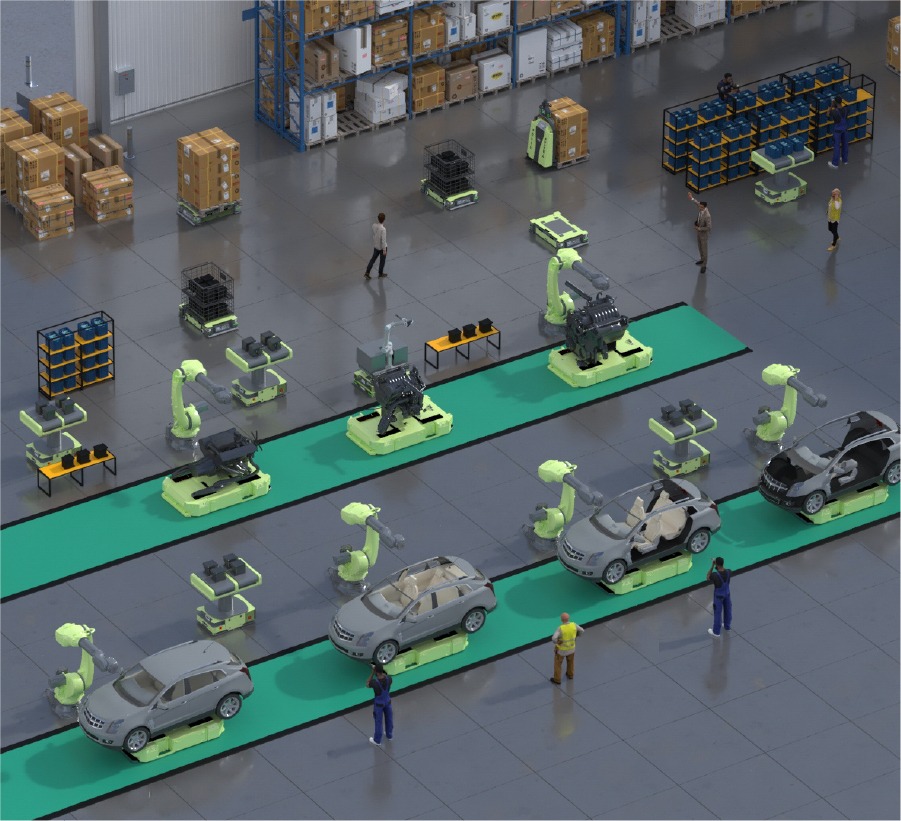
Industry 5.0 provides human-centric value and a human-machine interaction with advanced technology (AI & cobots — collaborative robots) into intelligent systems that provide personalized and adaptive techniques for manufacturing. Instead of working to replace humans, Industry 5.0 enhances the ability of humans to utilize strengths such as creativity, intuition, and flexibility that machines do not have.
Key Features Include:
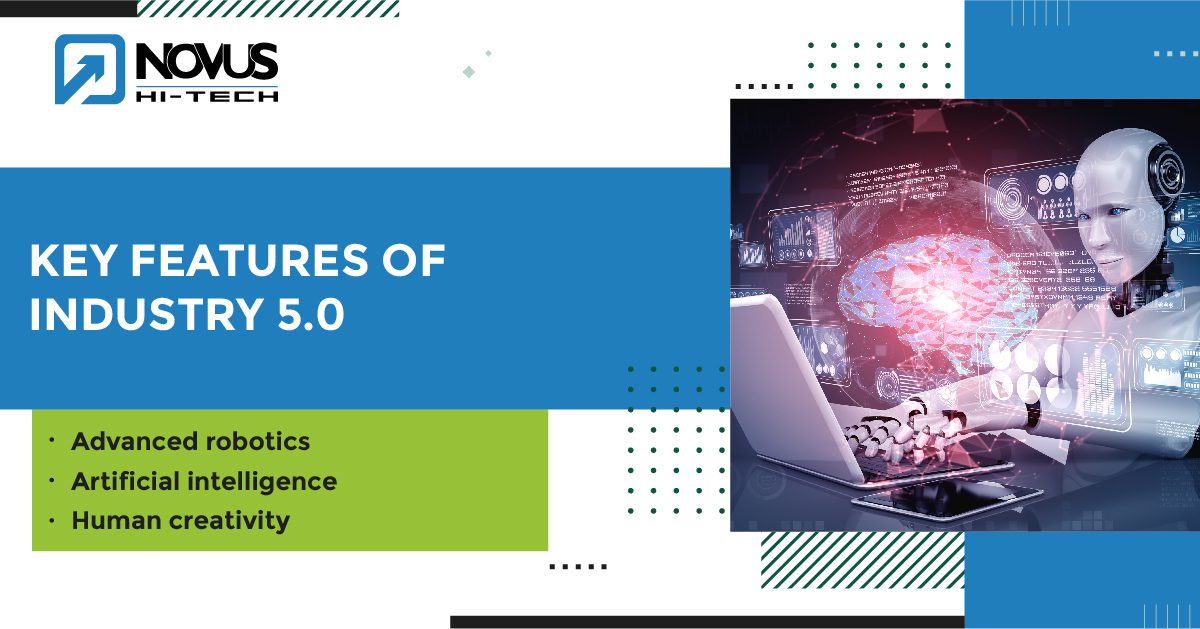
- Personalized production at scale
- Human-robot collaboration
- Focus on sustainability and wellbeing
- Intelligent automation systems
Industry Revolution 5.0 envisions a workplace where people and machines work together in collaborative environments that increase and enhance human potential as opposed to replacing it.
Discover how Industry 1.0 to 5.0 transforms manufacturing innovation.
Download our eBook for expert insights and trends!
Preparing for Industry 5.0 with IO-Link Wireless
To unlock the potential of Industry 5.0, there needs to be frictionless communication across all sensors, actuators, and machines. IO-Link Wireless technology is providing this enhanced communications – it is highly available, robust, and scalable for real-time transaction of data, without the constraints of hard wiring.
Novus Hi-Tech is directly involved in this transformation, serving several industries and providing the latest technology, including:
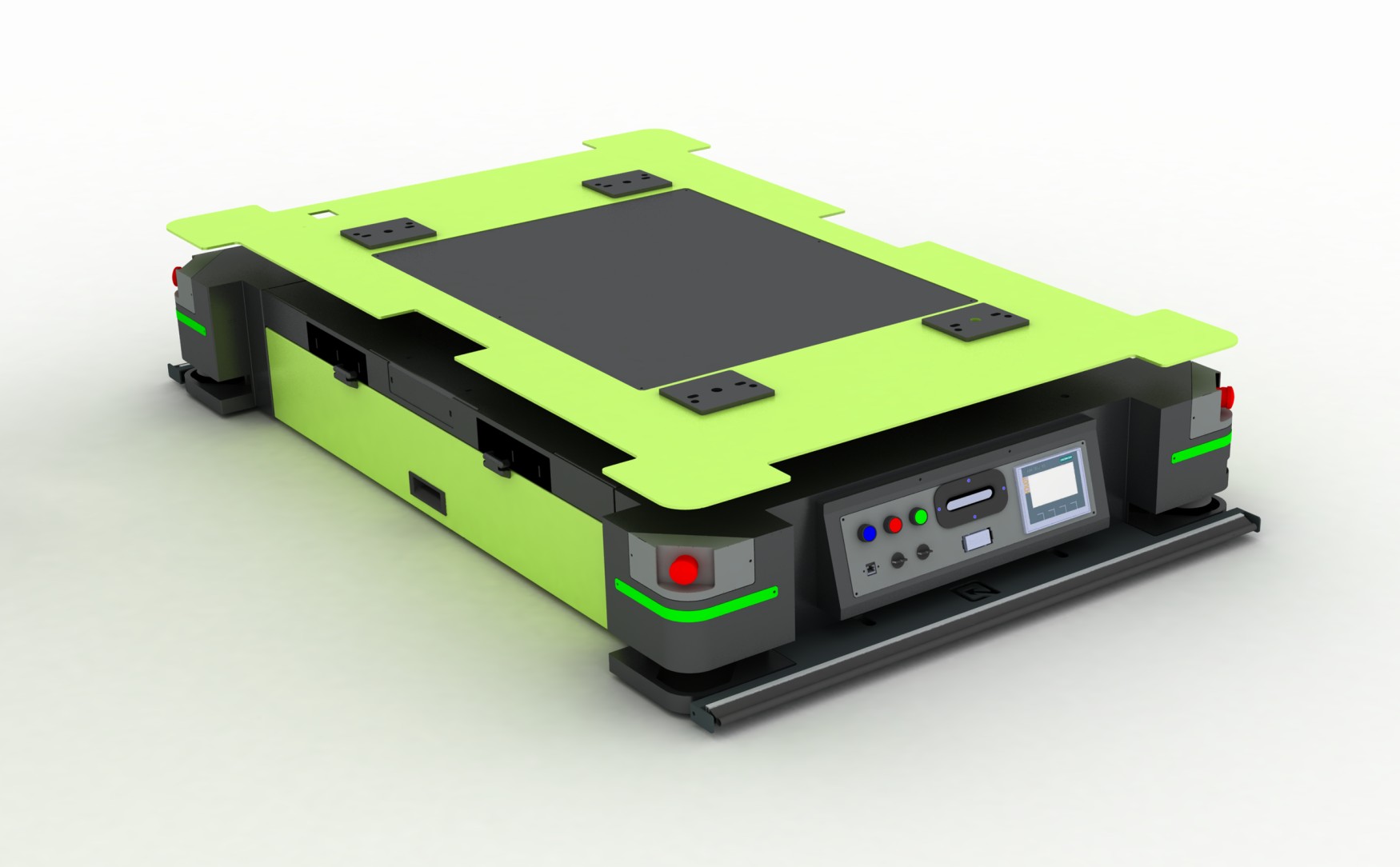
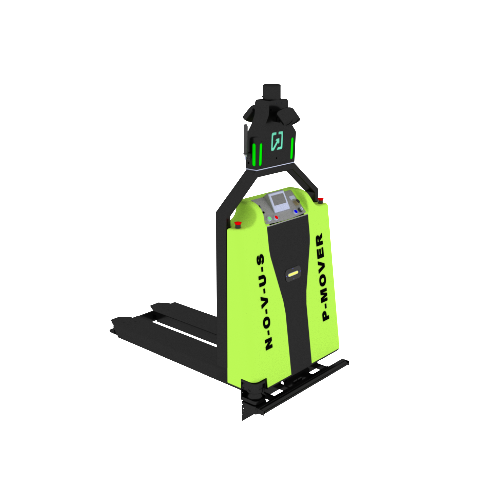
- Autonomous Mobile Robots (AMRs), specifically for material handling
- Advanced robotic integration for complex repositioning activities
- Robotic Automation platforms to orchestrate platforms into a system
Novus Hi-Tech is providing solutions for Industry 5.0 and helping companies achieve more personalization, flexibility, and better human-machine interactions.
Conclusions
The journey from Industry 1.0 to 5.0 is more than a timeline or list of achievements – it represents how humanity continues to adapt, innovate, and grow. As we enter the era of Industry 5.0, we will move from machine-centric to human-centric, bringing intelligence and teamwork together to create a workable, sustainable, and empathetic future of manufacturing.
Novus Hi-Tech is proud to be leading the way by designing and creating automation and robotics solutions, empowering industry to be more nimble, intelligent, and human-centric.
Are you ready to move into the future of manufacturing?
Be sure to reach out to Novus Hi-Tech today.
FAQs
Q1: What is the difference between Industry 4.0 and Industry 5.0?
Industry 4.0 focuses on automation and interconnectivity through IoT and AI, while Industry 5.0 emphasizes human-machine collaboration, customization, and sustainability.
Q2: What role do robots play in Industry 5.0?
Robots, especially collaborative robots (cobots), assist humans in performing tasks that require precision, safety, or repetition, enabling personalized and efficient production processes.
Q3: Are there any real-world examples of Industry 5.0 implementations?
Yes, sectors like custom automotive manufacturing and luxury goods are integrating Industry 5.0 principles by combining robotics with human craftsmanship for bespoke products.
Q4: Is Industry 5.0 applicable to all industries?
While manufacturing is the primary adopter, the principles of Industry 5.0—human-centric innovation, collaboration, and personalization—can apply across healthcare, logistics, and service industries.