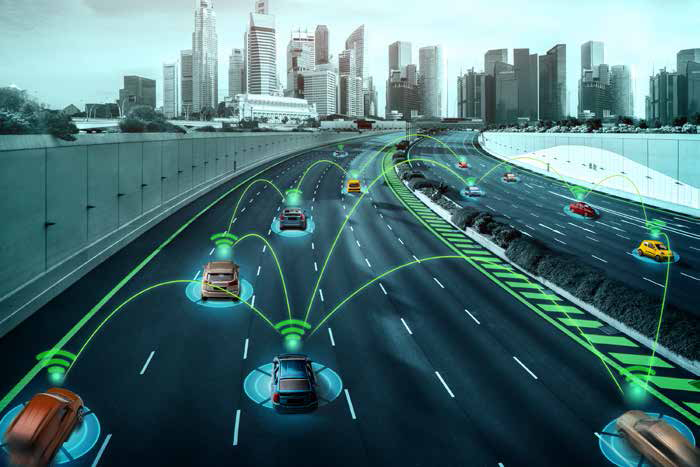







Advanced Driver Assistance Systems (ADAS) are changing the way we interact with vehicles, and they are nudging us closer to a day when driving may not be a task, but a choice! There are systems out there that offer simple warning technologies to fully autonomous vehicles. The levels of ADAS define how much control the vehicle assumes from the driver. In this blog, we will walk through the levels of ADAS, what features they possess, and how organizations like Novus Hi-Tech are moving the industry in that direction.
Learn how ADAS evolves from basic to fully autonomous driving.
Download our free brochure/e-book for expert insights and trends!
How are the levels of ADAS defined?

Six levels of ADAS were established by the Society of Automotive Engineers (SAE), which go from Il (no automation) to Level 5 (full automation). Each level defines how much assistance or replacement is provided during driving for a variety of driving tasks.
Level 0: No driving automation
Level 0 simply means no automation. To be level 0, the driver must always be in control of the vehicle.
Examples:
- Traditional vehicles.
- Driver alerts (blind spot warnings) that cannot enact any action.
While it is true that the vehicle may have collision warnings, the vehicle is not engaged in any automation because nothing is executed to enact a response to the warnings.
Level 1 – Driver’s Assistance
The system is able to assist with either steering or acceleration/deceleration, but not both at the same time. Always, the driver must maintain full situational awareness and control.
Examples:
- Adaptive Cruise Control
- Lane Keeping Assist
Level 1 systems will be useful for drivers but are still basic forms of automation.
Level 2 – Partial Driving Automation
In this level, the vehicle will make use of both steering and acceleration/deceleration, but only in certain conditions. As always, the driver must be engaged and ready to take control at a moment’s notice.
Examples:
- Tesla Autopilot
- GM Super Cruise
Level 2 ADAS systems are the most sophisticated assistance systems available for most private consumer vehicles today.
Level 3: Conditional Driving Automation
Level 3 Vehicles have conditional automation. They can carry out the complete packing of hours of driving under certain circumstances (like in traffic congestion) without human intervention, but they require an attentive human driver who is ready to intervene if necessary.
Examples:
- Audi Traffic Jam Pilot
- Mercedes-Benz Drive Pilot
They use complex sensors and AI to analyze current traffic conditions, but have an automatic function and require human continuation.
Level 4: High Driving Automation
The system is capable of driving the vehicle without human input. However, it only does so in a specific area or an area specified and geo-fenced for autonomous operation (like an urban environment).
Examples:
- Autonomous shuttle
- Robo-taxis in a defined environment
The Level 4 system will often not require a steering wheel or pedals for the vehicle inside of its operational area, but may require a human driver outside of the operational area.
Level 5: Complete Driving Automation
This is ADAS technology’s aspirational level: A car capable of operating on its own under all circumstances in all environments with no human intervention or oversight.
Examples:
- Concept autonomous vehicles
- Future cars without a steering wheel
No production car has achieved this level yet, but significant strides are being made to get Level 5 ADAS cars in front of consumers.
Common Features Across ADAS Levels

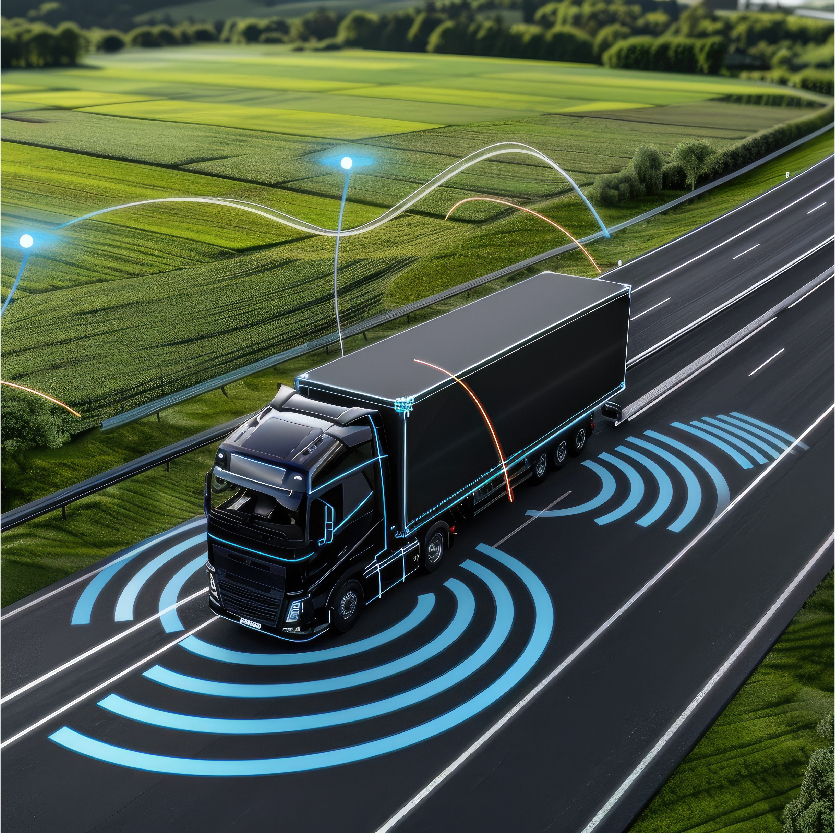
Regardless of level, ADAS technologies are designed to enhance road safety and improve the user’s driving experience. Across the various levels, common features include:
Alerts & Warnings:
- Lane Departure Warnings
- Blind Spot Warnings
- Forward Collision Warnings
Crash Mitigation:
- Automatic Emergency Braking (AEB)
- Collision Avoidance Systems
Driving Task Assistance:
- Adaptive Cruise Control
- Lane-Centering Assist
- Traffic Sign Recognition
Some of these features may be found at varying levels of ADAS, and they provide various levels of safety and convenience.
Novus Hi-Tech’s Role in ADAS Technology

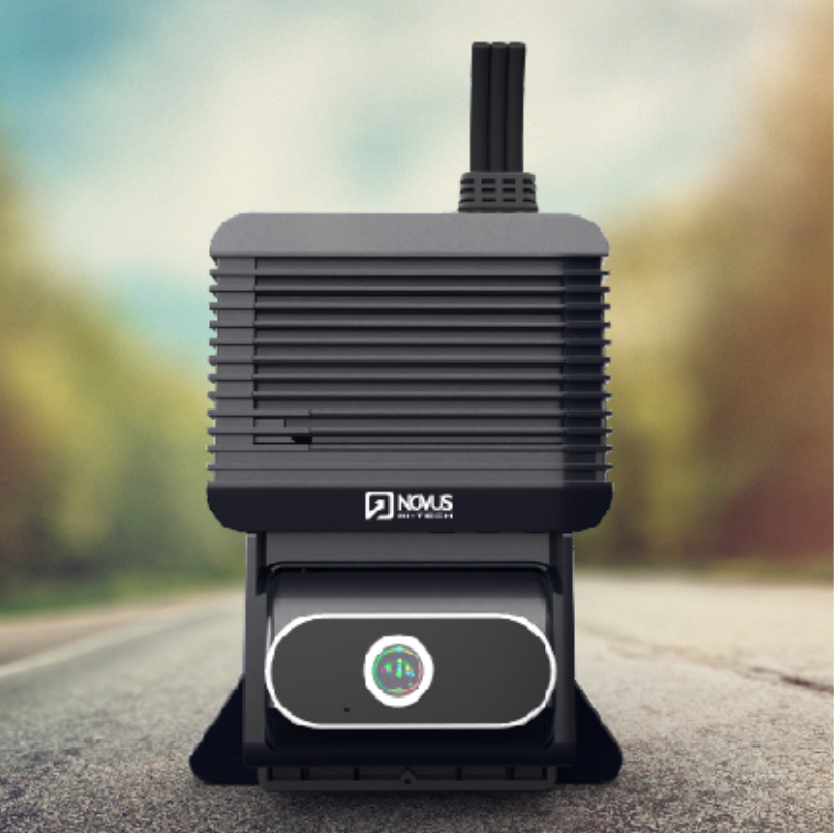
As one of the premier driving autonomy innovators, Novus High-Tech is leading the driving experience into the future. It designs high-performance ADAS technologies that feature:
- Advanced sensors and LIDAR
- AI-based vision systems
- Real-time data processing units
These elements are essential components of modern ADAS systems that enable manufacturers to progress toward automation in one vehicle, to scaling automation across an entire fleet of vehicles, whether it’s a Level 1 system or processes on the way to full Level 5 automation, Novus Hi-Tech provides the accuracy and performance for the new driver.
Conclusion
From basic cruise control to fully driverless vehicles, all levels of ADAS represent more than just a technology development path, these levels represent a new direction in mobility, a paradigm shift. The completion of each level defines the path onward to a safer, smarter, and greener future for transport. With cutting-edge innovators like Novus Hi-Tech leading the way, that future is no longer in the distant future but a very quickly arriving one.
Discover how Novus Hi-Tech can integrate smart ADAS technologies into your vehicles today.
FAQs
Q: What are Level 5 ADAS cars?
Level 5 ADAS cars are fully autonomous vehicles capable of operating in all conditions without human input or control.
Q: Is Tesla Level 3 or 4?
Tesla vehicles currently operate at Level 2, although the company aims to reach higher levels with future updates.
Q: What is the difference between ADAS Level 1 and Level 2?
Level 1 supports either steering or acceleration, while Level 2 systems manage both, but still require full driver attention.
Q: What is Level 2++ autonomous driving?
Level 2++ is an industry term referring to advanced Level 2 systems with more sophisticated features, but still requiring driver supervision.