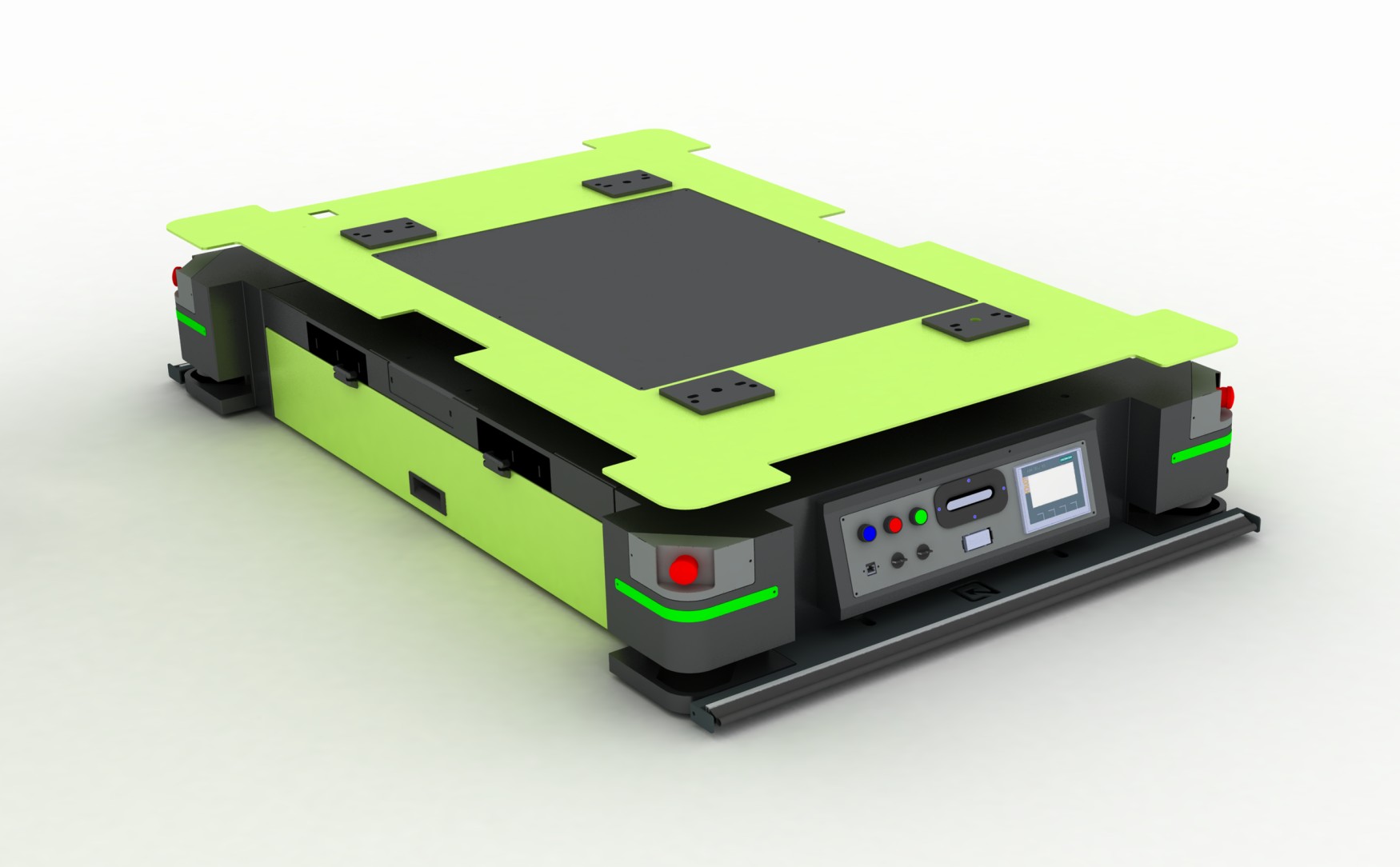
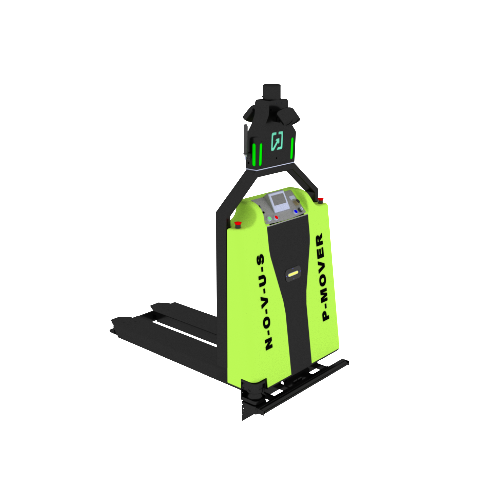


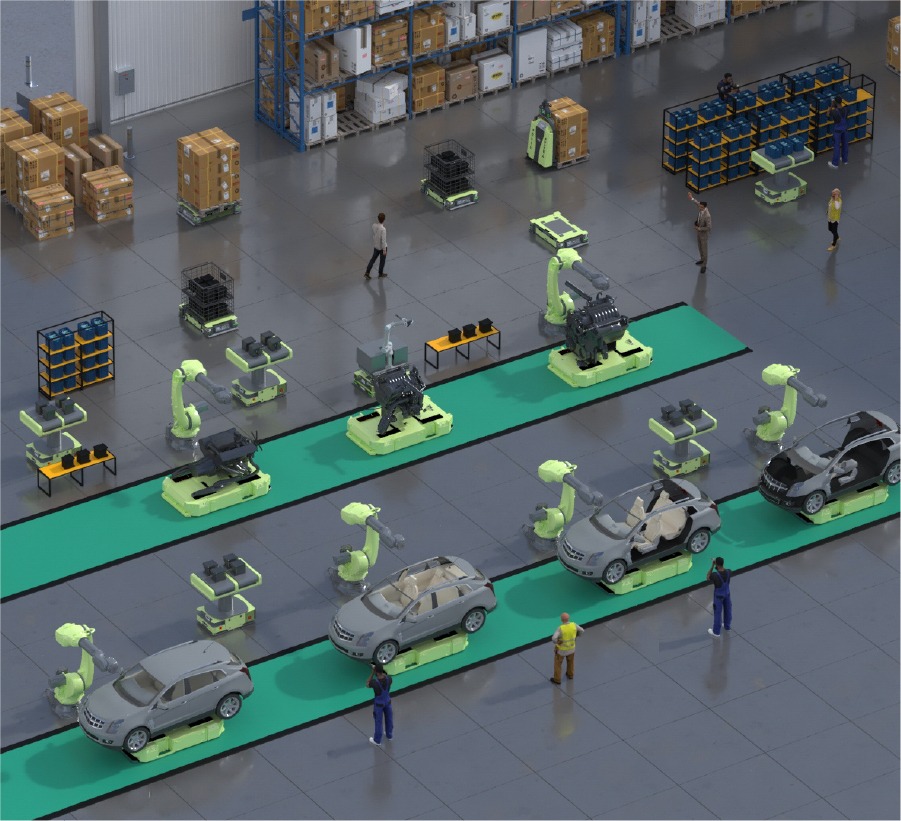




The electric vehicle (EV) industry is transforming the way people move, revamping globally towards greener transport. Manufacturers of EVs have to hit high volumes with precision, efficiency, and sustainability amidst surging demand. Here’s a game-changer: the Mobile Production Station (MPS), one solution to make the EV manufacturing process smoother than ever. Solutions like MPS not only improve efficiency but redefine how components such as EV batteries, chargers, and vehicles are manufactured.
This blog goes deep into how MPS plays a critical role in the production of EVs and how it transforms operations across the entire process from the manufacture of EV batteries right through to the making of EV car manufacturing.
Electric vehicles are complex machines requiring meticulous design and assembly. Unlike traditional cars, EVs integrate intricate components such as high-capacity batteries, advanced charging systems, and smart vehicle controls.
Why Precision is Key in EV Manufacturing

- Manufacturing Process for EV Batteries: The heart of any electric vehicle is its batteries. There is precision involved in every process, right from electrode coating to module assembly and final testing. Mistakes will lead to costly recalls or, worse, safety hazards. MPS provides for high-accuracy assembly with real-time monitoring to ensure the smooth integration of cells into battery packs.
- EV Charger Manufacturing Process: The Charging Equipment serves as a vital interface that connects the source of energy to the vehicle. The MPS allows for charging equipment assembly by standardizing the process, reducing error and scalability without compromising quality.
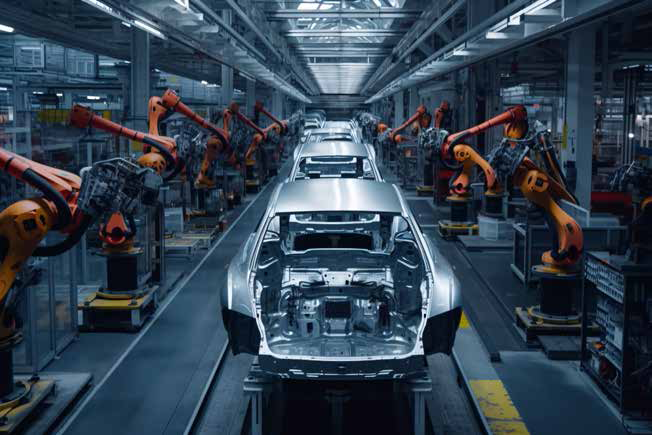
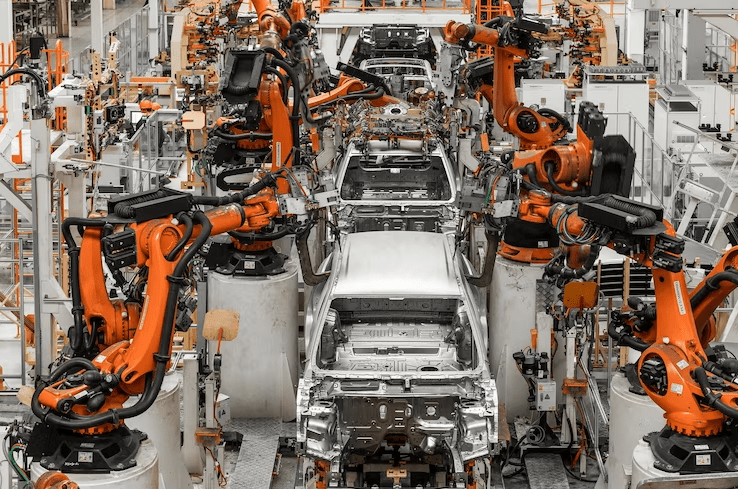
- EV Car Manufacturing Process: Producing EVs incorporates many parts, such as materials and systems. MPS streamlines these workflows to enhance productivity in electric motor assembly, battery management systems (BMS), and connected technologies.
As EV manufacturing requires utmost precision, MPS would bring in this flexibility and accuracy to achieve those hard standards.
Meeting Market Demands with Low-Volume Production
While high-volume production is essential for market leaders, low-volume production remains vital for EV startups and niche players. Low-volume production will allow the manufacturer to test innovative models and serve specific market segments, such as luxury EVs or off-road electric vehicles.
So, flexibility is something that MPS does bring to the table to address such requirements. Quick re-configuration capability provides for manufacturing line switching with minimal downtime, allowing manufacturers to switch between product lines quickly, reducing costs and time-to-market for niche EVs while letting startups easily catch up with established players.
Elevating Quality and Efficiency in the Electric Vehicle Industry
Quality is paramount in the electric vehicle (EV) industry, ensuring not only high customer satisfaction but also compliance with stringent safety and regulatory standards. Advanced validation techniques integrated into MPS streamline testing and verification, guaranteeing the reliability of every component.
With the high production volumes in the EV sector, smart assembly lines take efficiency to the next level. Battery assemblies powered by robotic systems, conveyor mechanisms, and automation eliminate dependency on manual labor, delivering:
- Faster Production: Meeting market demand at unmatched speeds.
- Smart Precision: Ensuring flawless execution in every assembly.
- Error-Free Processes: Minimizing risks and ensuring consistent quality.
These cutting-edge advancements not only enhance quality but also optimize production timelines, enabling manufacturers to meet growing market demands with ease and precision.
Innovation in Electric Vehicle Manufacturing

Innovation in the EV industry has most conspicuously taken the lead through automation, AI, and MPS, which optimize production, reduce waste, and align with global sustainability goals.
- Automation and AI: Automation is a process of canceling inefficiency factors; AI helps decision-making through timely analysis of production data. MPS combines both, giving manufacturers control and insight into their operations unmatched anywhere else.
- Sustainability: Novus Hi-Tech promotes green projects in the manufacture of EVs with resource reduction and less waste. Using MPS and similar tools, manufacturers are able to synchronize operations to these environmental goals toward a more sustainable future.
MPS not only satisfies the needs of current manufacturers but also serves as an opening for new future innovations in EV manufacturing a faster, smarter, greener trail.
Conclusion
The future of EV manufacturing would lie in precision, flexibility, and sustainability, with tools like the Mobile Production Station having a very dominant role in addressing the complexity of the EV manufacturing process. It changes the way one thinks about producing batteries, chargers, and vehicles, enabling manufacturers to meet growing market demands while maintaining quality and efficiency through the integration of automation, AI, and advanced validation techniques.
At Novus Hi-Tech, we strive to facilitate the fulfillment of the objectives of EV manufacturers. Whether you are looking to simplify the process of manufacturing EV batteries, optimize the manufacturing process of EV chargers, or scale up the production of EV cars, we have the kind of solution specifically designed for your needs.
Visit our Contact Us page to learn more about how we can support your EV manufacturing journey.
FAQs
What challenges do manufacturers face in the EV manufacturing process, and how can automation address them?
Manufacturers often struggle with scaling production, ensuring precision, and maintaining sustainability. Automation tools like MPS address these challenges by standardizing workflows, reducing errors, and enhancing efficiency.
How does the Mobile Production Station (MPS) streamline the EV battery manufacturing process?
MPS automates key stages of battery assembly, such as cell integration, module formation, and testing, ensuring accuracy and reducing production time.
What role does MPS play in ensuring quality during the EV charger manufacturing process?
MPS ensures consistency in charger assembly by automating processes and validating critical components, thereby enhancing reliability and reducing defects.
Why is low-volume production important in the EV car manufacturing process, and how does MPS support it?
Low-volume production allows for innovation and market testing. MPS supports this by enabling quick reconfiguration of production lines, reducing costs and downtime.
How can Novus Hi-Tech’s solutions enhance efficiency in the EV manufacturing process?
Novus Hi-Tech offers tailored solutions like MPS to optimize production workflows, integrate automation, and ensure quality, enabling manufacturers to meet market demands efficiently.