



Introduction
If you run a fleet, you know this feeling all too well: it only takes a second.
A second where a driver checks a notification. A second of delayed braking in heavy traffic. A second of looking away from the road. And just like that, your day shifts from smooth operations to accident reports, insurance follow-ups, compliance documentation, driver anxiety, and delivery disruptions. In fleet management, risk doesn’t build loudly — it builds in moments.
Thus, today’s modern fleet safety is not simply about a new device or tech upgrade. It is about implementing a cultural change in how we view and respond to safety. In other words, fleets have now moved from reacting to issues after the fact to preventing them from occurring in real time.
In addition to preventing distracted driving accidents, modern fleet safety utilizes things like AI-based monitoring, intelligent alerts, and formal fleet risk management to address this issue before it happens. The focus on preventing accidents through these tools is not based on surveillance or monitoring; rather, it is based on providing the appropriate type of help and support.
The Rise of Distracted Driving and the Need for Modern Fleet Safety

Distracted driving used to mean texting behind the wheel. Now it’s much broader — mental fatigue, navigation adjustments, in-cab system distractions, tight deadlines, even stress.
Commercial drivers deal with long hours, unpredictable traffic, and pressure to meet delivery windows. Under those conditions, distraction isn’t rare — it’s human.
But human error doesn’t have to mean business loss. That’s where modern fleet safety changes the game. Instead of hoping drivers stay focused 100% of the time, fleets are using systems that assist them when focus drops.
Distracted Driving Prevention in Commercial Fleets

Effective distracted driving prevention doesn’t rely on posters in the break room or once-a-year training sessions.
Drivers need feedback in the moment.
With intelligent fleet safety solutions, when a driver looks away from the road too long or follows another vehicle too closely, the system gives a subtle in-cab alert. Not an alarm. Not a reprimand. Just a nudge.
That small intervention can prevent a serious collision. Over time, those nudges reshape habits — and habits shape safety outcomes.
Real-World Crash Data Driving Fleet Risk Management

Fleet data consistently shows one thing: distraction-related incidents are expensive.
They increase insurance premiums.
They disrupt operations.
They damage client trust.
Strong fleet risk management today isn’t about reviewing accident footage weeks later. It’s about identifying risky behavior patterns early — before they turn into claims.
That’s the real purpose of modern fleet safety: stopping problems while they’re still small.
Fleet Safety Solutions Powered by AI Driver Safety Systems

Let’s be clear — data alone doesn’t prevent accidents. Insight does.
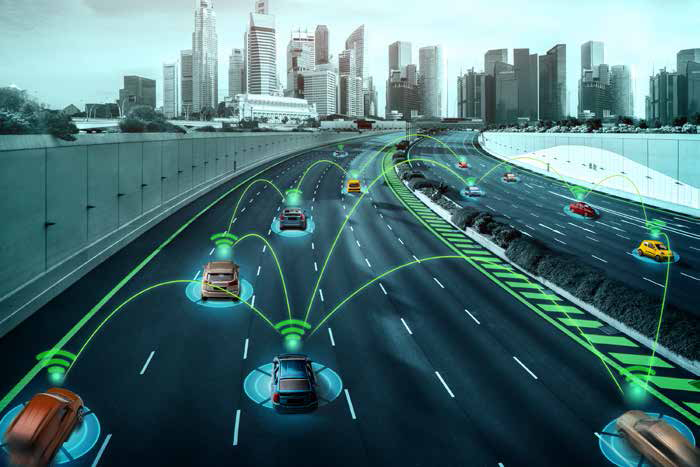
Modern fleet safety solutions powered by AI driver safety systems go beyond tracking vehicle location. They analyze behavior. They understand context. And they filter out noise so managers only see what actually matters.
AI Driver Safety Systems for Real-Time Alerts

The biggest advantage of AI driver safety systems is immediacy.
If a driver shows signs of drowsiness, the system alerts them.
If there’s aggressive braking, it records and flags it.
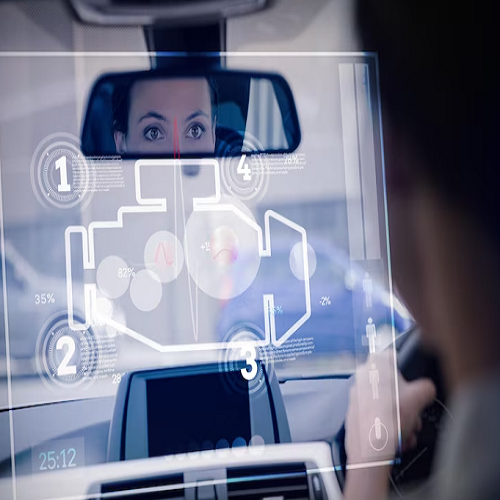
If distraction is detected, a quick in-cab notification brings attention back to the road.
This isn’t about catching drivers doing something wrong. It’s about helping them recover quickly and safely.
When drivers feel supported instead of monitored, adoption of modern fleet safety becomes smoother — and resistance drops.
Fleet Driver Monitoring Through Smart Telematics

Advanced fleet driver monitoring tools combine telematics with behavioral analytics.
They look at braking trends, speeding patterns, cornering behavior, and route consistency. But more importantly, they look at trends over time.
Are harsh braking events decreasing?
Is speeding becoming less frequent?
Are drivers responding well to coaching?
This type of visibility transforms fleet safety technology from a tracking tool into a performance improvement system.
Fleet Safety Technology Transforming Driver Behavior

Technology doesn’t change behavior by itself. People do.
But when drivers can see their own performance metrics — and understand how to improve them — progress becomes tangible.
Modern fleet safety technology provides clear scorecards and performance insights. Drivers know where they stand. Managers know where to focus coaching efforts.
And safety becomes measurable.
In-Cab Cameras and Behavior Analytics

There’s often hesitation around in-cab cameras. Drivers worry about constant monitoring.
But today’s systems are smarter. They capture only safety-related events. They focus on behavior, not personal moments.
Behavior analytics detect patterns like repeated distraction or aggressive acceleration without recording unnecessary footage.
When implemented transparently, this strengthens trust — which is critical for long-term modern fleet safety success.
Predictive Insights for Proactive Fleet Risk Management

One of the most powerful aspects of AI-based systems is prediction.
If a driver’s risk profile starts trending upward — more frequent harsh events, distraction alerts, near-miss patterns — managers can step in early.
This proactive layer strengthens fleet risk management dramatically.
Instead of responding to accidents, fleets prevent them.
Integrating Fleet Safety Solutions into Daily Operations

A dashboard no one checks is useless.
To get real value from fleet safety solutions, they need to be woven into everyday operations — onboarding, performance reviews, safety meetings, and policy enforcement.
Building a Culture of Distracted Driving Prevention

True distracted driving prevention starts with culture.
Drivers need to know that safety systems are there to protect them — especially in situations where they are not at fault. Video evidence can protect drivers from false claims. Data can clear misunderstandings.
When drivers see that technology works both ways, acceptance improves.
Recognition programs for safe performance can further reinforce positive behavior.
Policy Enforcement with Fleet Driver Monitoring

Clear rules are important. Consistent enforcement is even more important.
With structured fleet driver monitoring, fleets can ensure fairness across teams and locations.
Coaching conversations become fact-based instead of emotional.
Policy violations are documented clearly.
Compliance audits become simpler.
Consistency builds credibility — and credibility strengthens safety culture.
Measuring ROI of Modern Fleet Safety Investments

Safety investments must justify themselves.
Fleets adopting modern fleet safety typically measure:
- Reduction in distracted driving events
- Fewer preventable accidents
- Lower claim frequency
- Improved vehicle uptime
- Stronger driver retention
Reducing Claims with Fleet Risk Management Tools

Effective fleet risk management tools provide instant access to event footage and data logs.
When incidents occur, fleets can quickly determine what happened. That clarity reduces disputes, accelerates insurance processing, and often protects drivers from unfair blame.
Over time, improved safety records contribute to better insurer relationships and potentially lower premiums.
Scaling Fleet Safety Technology Across Locations

As fleets grow, maintaining consistent standards becomes harder.
Cloud-based fleet safety technology makes it easier to monitor multiple depots through centralized dashboards. Safety benchmarks remain uniform. Reporting stays standardized.
This ensures that modern fleet safety scales alongside operational expansion — without losing effectiveness.
Final Thoughts
Distracted driving is human. But preventable accidents don’t have to be inevitable.
The fleets that are leading today are not the ones reacting fastest after incidents. They’re the ones preventing them quietly, consistently, and intelligently.
With AI-powered fleet safety solutions, structured fleet driver monitoring, and proactive fleet risk management, organizations are building safer operations mile by mile.
Companies like Novus Hi-Tech are enabling this transition through intelligent systems designed specifically for modern fleets. Their approach to modern fleet safety focuses on real-time intervention, predictive analytics, and measurable safety outcomes — helping businesses reduce distracted driving while improving operational control.
Safety is no longer about documentation. It’s about prevention.
And prevention is now intelligent.