






Industrial automation is no longer limited to large enterprises with significant capital budgets. Today, manufacturers and warehouse operators are increasingly adopting Robotics-as-a-Service (RaaS) to deploy automation in a more flexible and financially sustainable way.
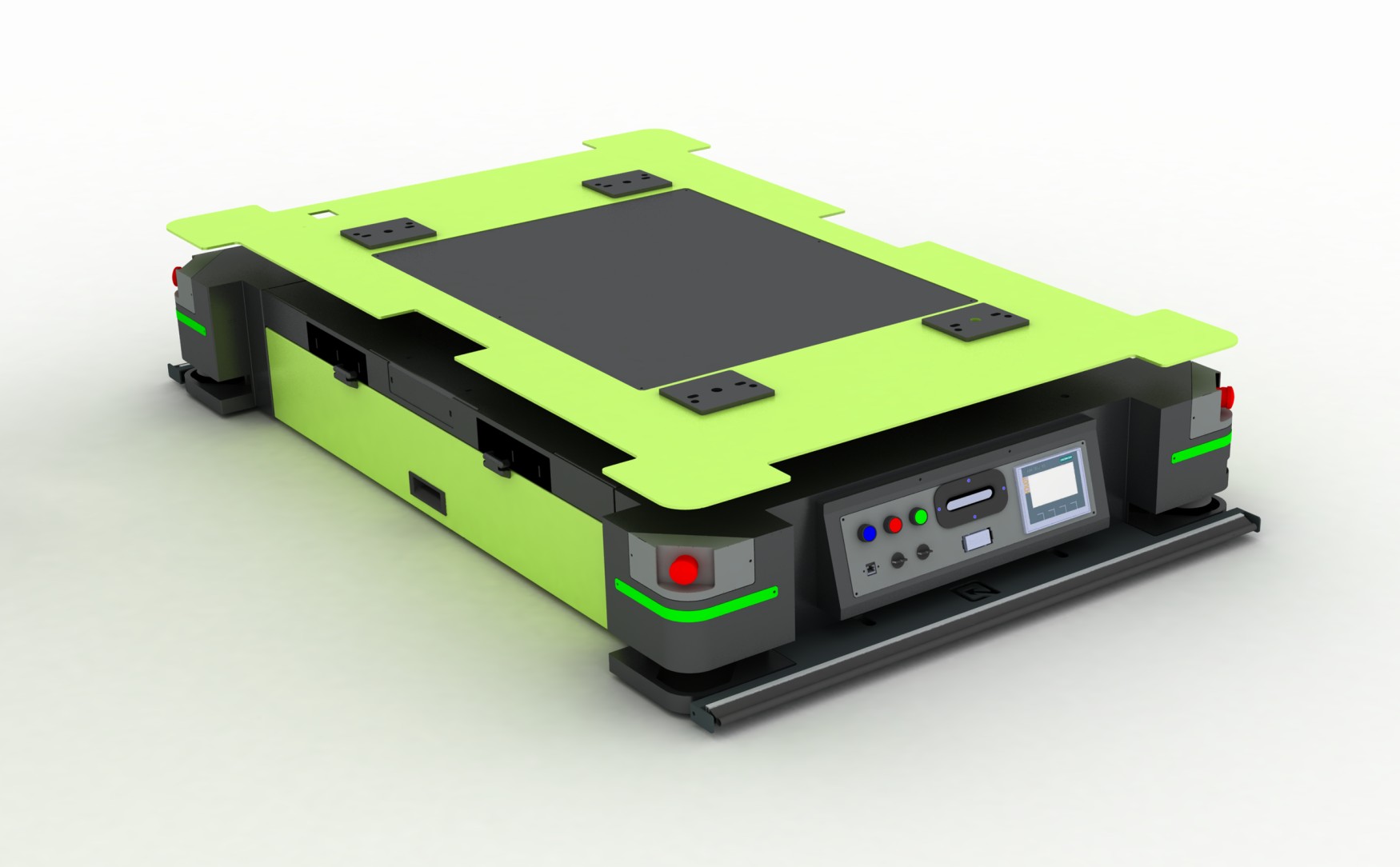
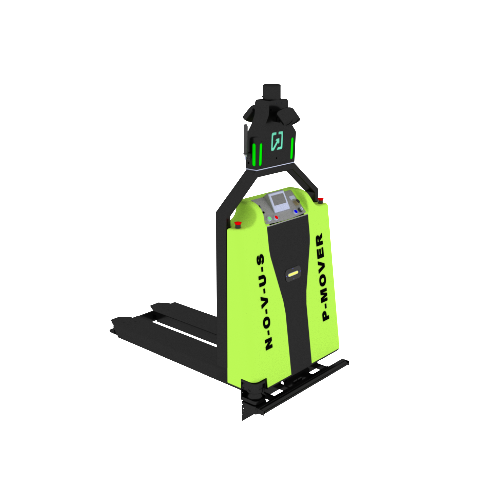
Mobile robots such as Autonomous Mobile Robots (AMRs) and Automated Guided Vehicles (AGVs) are transforming how materials, products, and components move within factories and warehouses.
However, traditional robotics deployments often involve substantial upfront investments in hardware, integration, and maintenance infrastructure. These costs have historically slowed automation adoption for many organizations.
Robotics-as-a-Service addresses this challenge by enabling companies to deploy robotic automation through subscription-based service models, allowing automation to be implemented with lower financial risk and faster return on investment.
As industries face growing pressure to improve efficiency, reduce operational costs, and manage labor shortages, RaaS is emerging as a powerful model that makes advanced robotics more accessible to manufacturers and logistics operators.
What is Robotics-as-a-Service?

Robotics-as-a-Service (RaaS) is a business model that allows organizations to deploy robotic automation systems through subscription or usage-based pricing instead of purchasing robots outright.
In a traditional automation model, companies must invest in robotic hardware, integration infrastructure, and internal technical teams to manage the system. With RaaS, the robotics provider supplies the robots along with the software, integration services, and ongoing maintenance required to operate them.
A typical RaaS solution includes:
- Mobile robot hardware such as AMRs or AGVs
- Navigation technologies and sensors
- Fleet management software
- Deployment and commissioning services
- Integration with enterprise systems
- Preventive maintenance and upgrades
- Performance monitoring and analytics
By shifting robotics deployment from capital expenditure (CAPEX) to operational expenditure (OPEX), RaaS allows organizations to implement automation in a financially flexible way.
Why Automation Costs Are a Barrier for Many Organizations

Despite the clear productivity benefits of robotics, many organizations hesitate to adopt automation because of the initial investment required.
Traditional robotics deployment often includes costs related to:
- robot hardware procurement
- infrastructure modifications
- software systems
- system integration
- engineering resources
- maintenance teams
For manufacturers and warehouse operators operating with tight margins, these costs can delay or prevent automation initiatives.
Additionally, companies may face uncertainty regarding:
- return on investment timelines
- operational disruption during deployment
- long-term maintenance requirements
Robotics-as-a-Service reduces these barriers by allowing companies to adopt automation without committing to large upfront investments.
How Robotics-as-a-Service Reduces Automation Costs

Robotics-as-a-Service provides several financial advantages that make automation more accessible for both manufacturers and warehouses.
Lower Upfront Investment
The most immediate benefit of RaaS is the elimination of large capital expenditures.
Instead of purchasing robotic systems outright, companies subscribe to automation solutions that include hardware, software, and support services.
This significantly lowers the initial financial barrier for deploying robotics.
Faster Return on Investment
Because organizations avoid large upfront investments, automation deployments can begin generating operational savings sooner.
Mobile robots improve efficiency by automating repetitive tasks such as internal logistics and material movement, allowing companies to see productivity gains quickly.
Reduced Maintenance Costs
Maintaining robotic systems requires specialized expertise and technical infrastructure.
Under the RaaS model, maintenance and system upgrades are handled by the robotics provider, reducing the need for internal technical teams.
Predictable Operational Expenses
Subscription-based pricing allows organizations to forecast automation costs more accurately.
Instead of managing unpredictable maintenance or repair expenses, companies pay a predictable operational fee for robotics services.
Scalable Automation Deployment
Organizations can start with small robot fleets and expand automation gradually as operational needs grow.
This flexibility allows manufacturers and warehouse operators to align automation investment with business growth.
Robotics-as-a-Service for Manufacturing Operations

Manufacturers rely heavily on efficient internal logistics to maintain production flow.
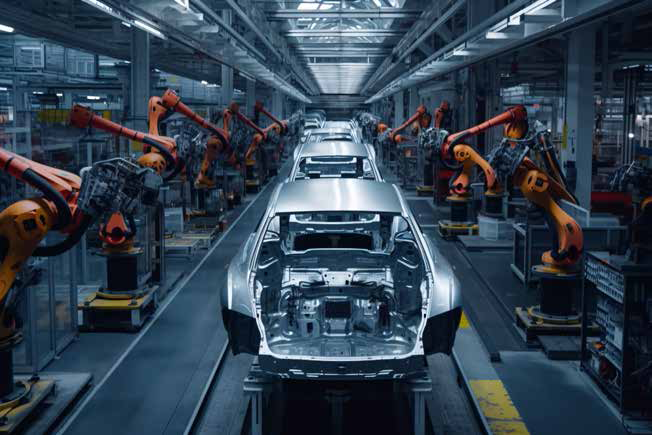
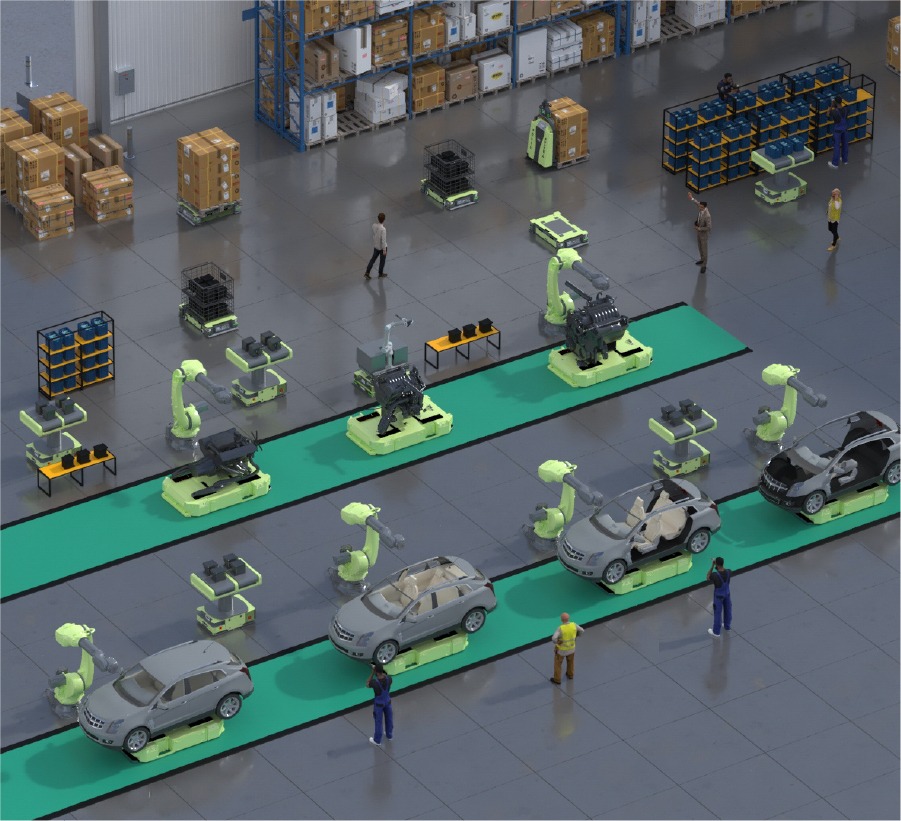
Mobile robots help automate material transport between production stations, assembly lines, and storage areas.
Common applications of mobile robots in manufacturing include:
- supplying materials to production lines
- transporting components between workstations
- moving finished goods to storage areas
- supporting just-in-time manufacturing processes
By automating these tasks, manufacturers can reduce manual handling, improve operational efficiency, and maintain consistent production throughput.
Robotics-as-a-Service enables manufacturers to implement these automation capabilities without committing to large capital expenditures.
Robotics-as-a-Service for Warehouse Automation

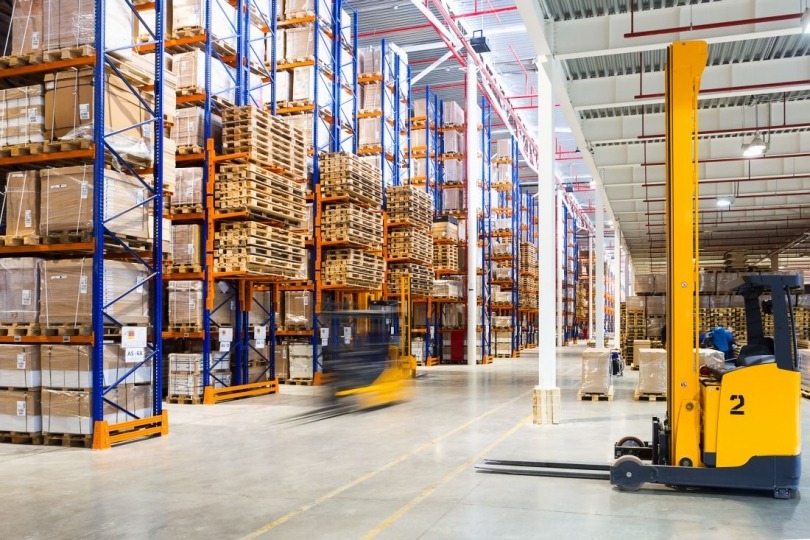
Warehouses and distribution centers are among the fastest adopters of mobile robotics.
E-commerce growth and increasing demand for faster order fulfillment have placed enormous pressure on warehouse operations.
Mobile robots help warehouse operators automate key logistics processes such as:
- pallet transportation
- order fulfillment support
- goods-to-person picking systems
- inventory movement within facilities
By automating internal logistics, warehouses can improve order processing speed while reducing labor-intensive tasks.
Robotics-as-a-Service allows warehouse operators to scale robot fleets quickly during peak demand periods without investing in permanent infrastructure.
How Mobile Robots Improve Productivity in Factories and Warehouses

Mobile robots deliver operational benefits that extend beyond cost reduction. These benefits include:
Improved Operational Efficiency
Robots automate repetitive material handling tasks, allowing human workers to focus on higher value activities.
Enhanced Workplace Safety
Mobile robots reduce the need for manual material transport, lowering the risk of workplace injuries.
Increased Throughput
Automation helps facilities maintain consistent material flow, improving overall production and fulfillment speed.
Flexible Operations
Autonomous robots adapt to changing workflows and facility layouts more easily than traditional automation systems.
The Role of Fleet Management in Cost Optimization

Fleet management software is a critical component of mobile robotics systems.
Modern fleet management platforms coordinate multiple robots simultaneously and optimize their movements across facilities.
Key capabilities include:
- intelligent route planning
- traffic management
- real-time monitoring
- predictive maintenance alerts
- performance analytics
These capabilities ensure robots operate efficiently while minimizing downtime and operational disruptions.
Real-World Applications of RaaS in Manufacturing and Warehousing

Organizations across multiple industries are adopting Robotics-as-a-Service to automate internal logistics.
Examples include:
- automotive manufacturing plants deploying AGVs for assembly line supply • electronics factories using AMRs for component transport
- e-commerce warehouses implementing robot-assisted fulfillment
- distribution centers automating pallet movement
As robotics technology continues to advance, RaaS is enabling organizations of all sizes to adopt automation strategies previously available only to large enterprises.
Why RaaS Is Accelerating Automation Adoption

Several global trends are driving the rapid growth of Robotics-as-a-Service. These include:
- labor shortages in manufacturing and logistics
- rising operational costs
- increasing demand for fast delivery and production
- digital transformation initiatives
By lowering the financial barriers to automation, RaaS enables companies to deploy robotics solutions quickly while maintaining financial flexibility.
Conclusion
Robotics-as-a-Service is transforming how organizations adopt industrial automation.
By converting robotics deployment from a capital investment into a flexible service model, RaaS allows manufacturers and warehouse operators to implement automation faster and with lower financial risk.
As mobile robotics continues to evolve, Robotics-as-a-Service will play a critical role in enabling scalable automation across factories, warehouses, and logistics operations.
Organizations that embrace RaaS today are better positioned to improve efficiency, enhance productivity, and remain competitive in an increasingly automated industrial landscape.