

Revolutionizing Automotive Automation with These 6 Types of Robots!

Revolutionizing Automotive Automation with These 6 Types of Robots!

The Rise of Robots in the Automotive Industry

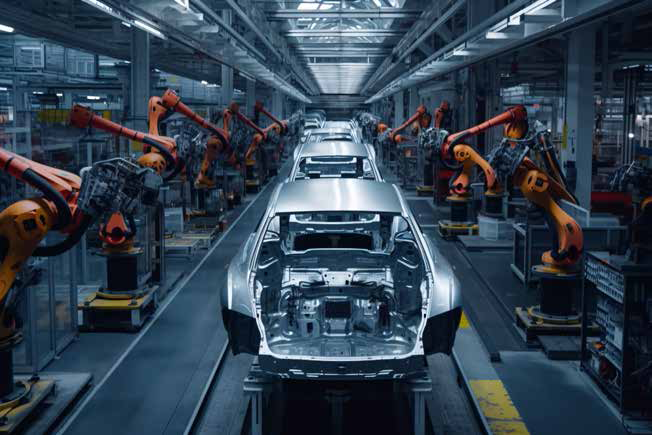
It’s easy to see the differences between the way cars are manufactured today than they were produced 15-20 years ago—not only in the construction of vehicles; but also within the assembly plants where they are built. 

Typically robots were not an overnight phenomenon within automotive automation, but a result of continuing improvements over time in terms of productivity vs manual labour costs for repetitive work. Robots performed repetitive tasks safely and quickly without increasing overall quality issues until all problems with human workers performing repetitive duties had been eliminated—leading to future advancements in automation throughout all aspects of manufacturing. Naturally.

That’s how automotive automation really grew. Not as a trend. As a solution.

How Robots Became Non-Negotiable in the Automotive Industry

The automotive industry has always had a practical relationship with technology. If something improves output, reduces errors, or keeps people safer, it gets adopted.

That’s exactly why robots entered car manufacturing in the first place. When General Motors deployed the first industrial robot, Unimate, in the 1960s, it wasn’t about futuristic factories. It was about moving heavy parts without risking injuries.

From there, things snowballed.

As demand increased and vehicle designs became more complex, manufacturers realised that consistency mattered just as much as speed. Humans are skilled, but repetition leads to variation. Robots don’t have that problem.

Today, automotive manufacturing lines rely on robots because they’re predictable. Once set up correctly, they perform the same task the same way, every single time. That reliability is hard to match.

Cost plays a role too. Labour costs fluctuate. Skill availability fluctuates. Robots don’t.

Safety is another factor people often underestimate. Welding, painting, and heavy material handling come with real risks. Robots absorb those risks. Humans move into oversight and control roles instead.

That shift didn’t happen overnight, but it happened for good reason.
Discover how Automotive Automation transforms production efficiency.
Download our free brochure for expert insights and trends!

Different Robots for Different Jobs

There isn’t one “automotive robot.” There are many, each chosen because it fits a very specific task.

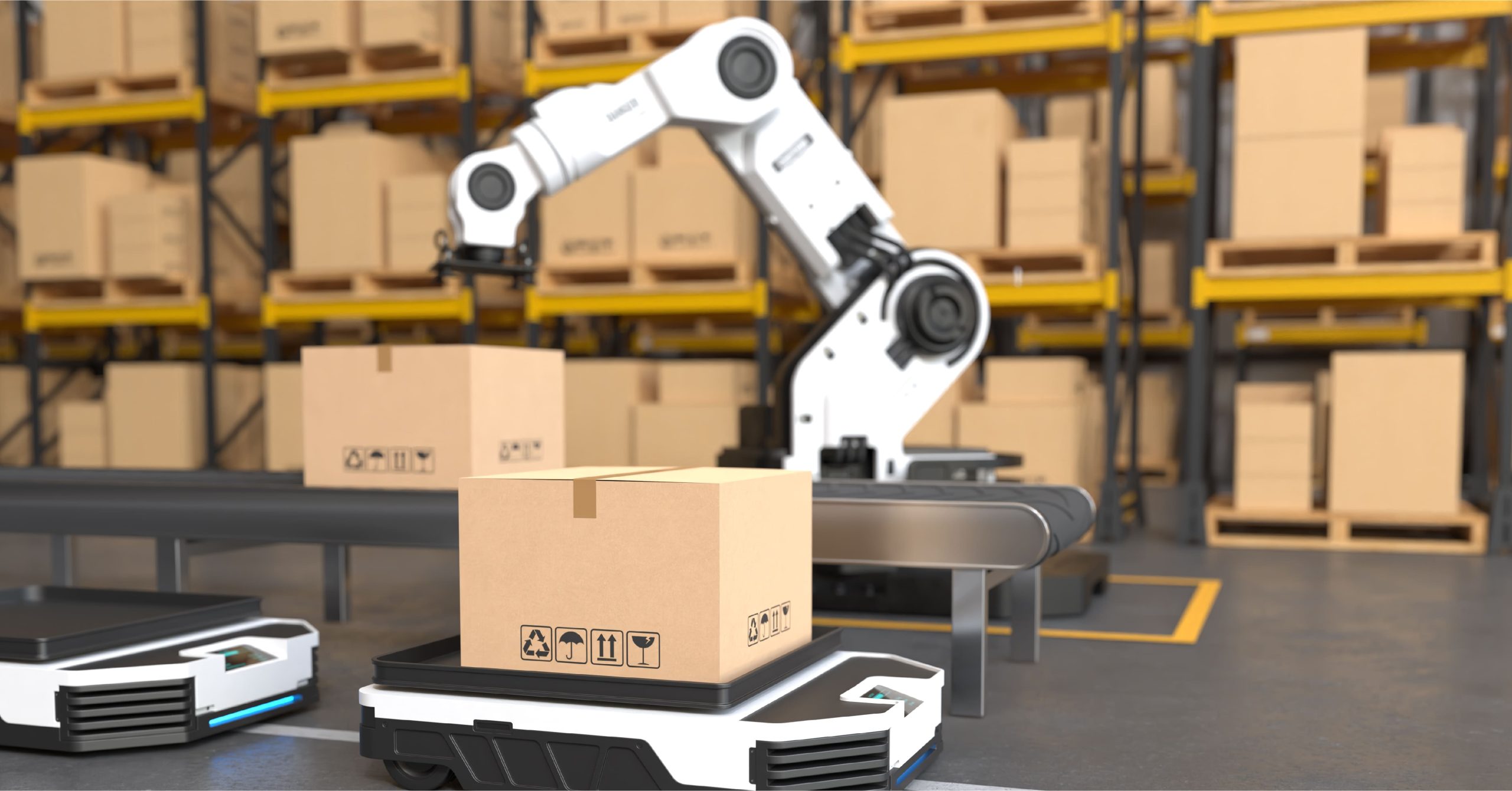
  1. Material Handling Robots:

Material Handling Robots

Material handling is repetitive and physically demanding. It was always going to be automated.

Cartesian Gantry Robots: Simple, linear movement. High accuracy. These robots are used where precision matters more than flexibility — loading parts, positioning components, feeding machines.

SCARA Robots: Fast and efficient. SCARA robots are common in tasks that involve quick, repetitive movements, especially with smaller automotive parts.

Polar Robots: Their strength is reach. Polar robots handle larger or awkward components that need to move across wider spaces.

Delta Robots: These are about speed and accuracy. Lightweight tasks, high throughput, minimal error.

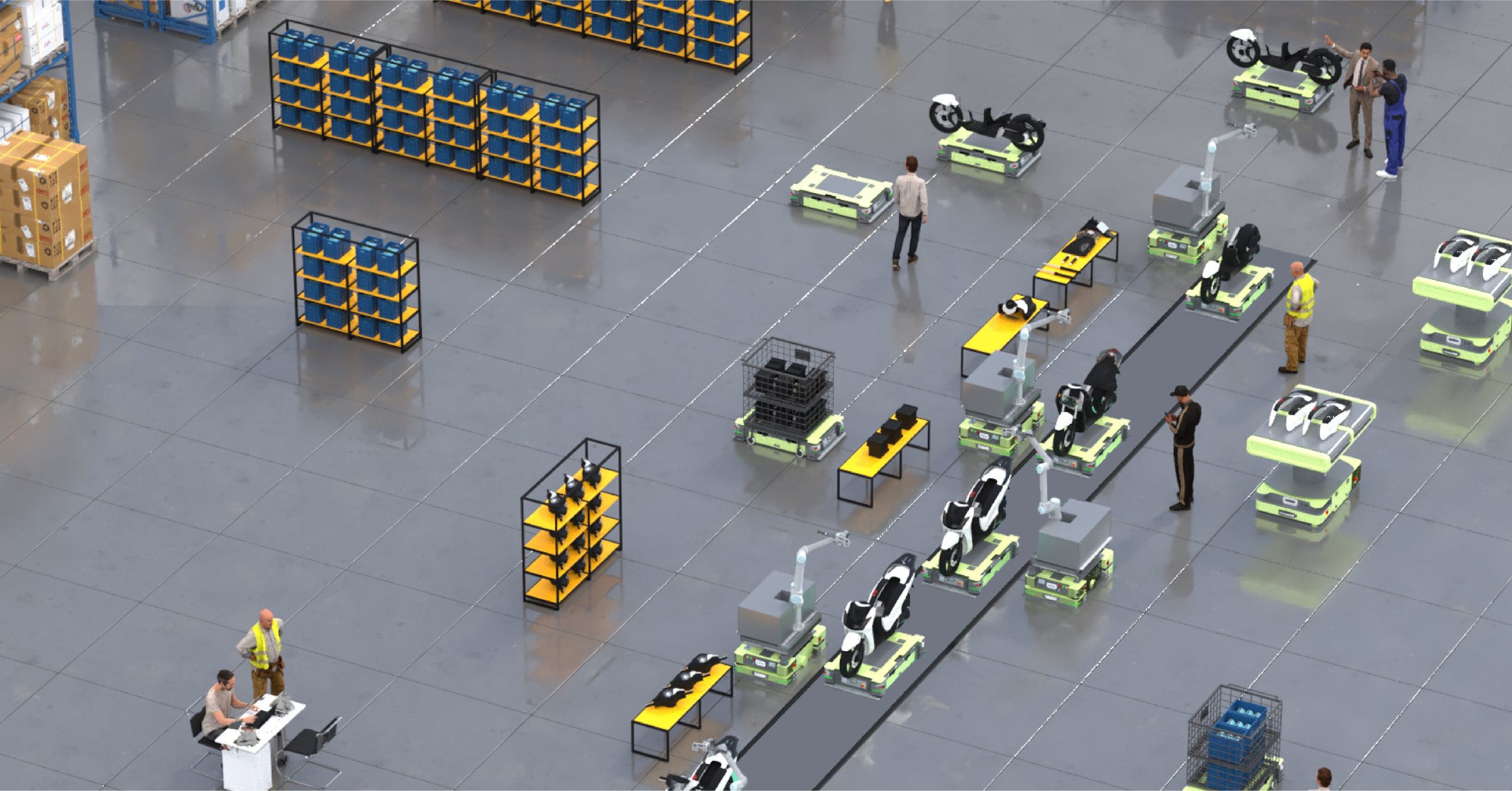
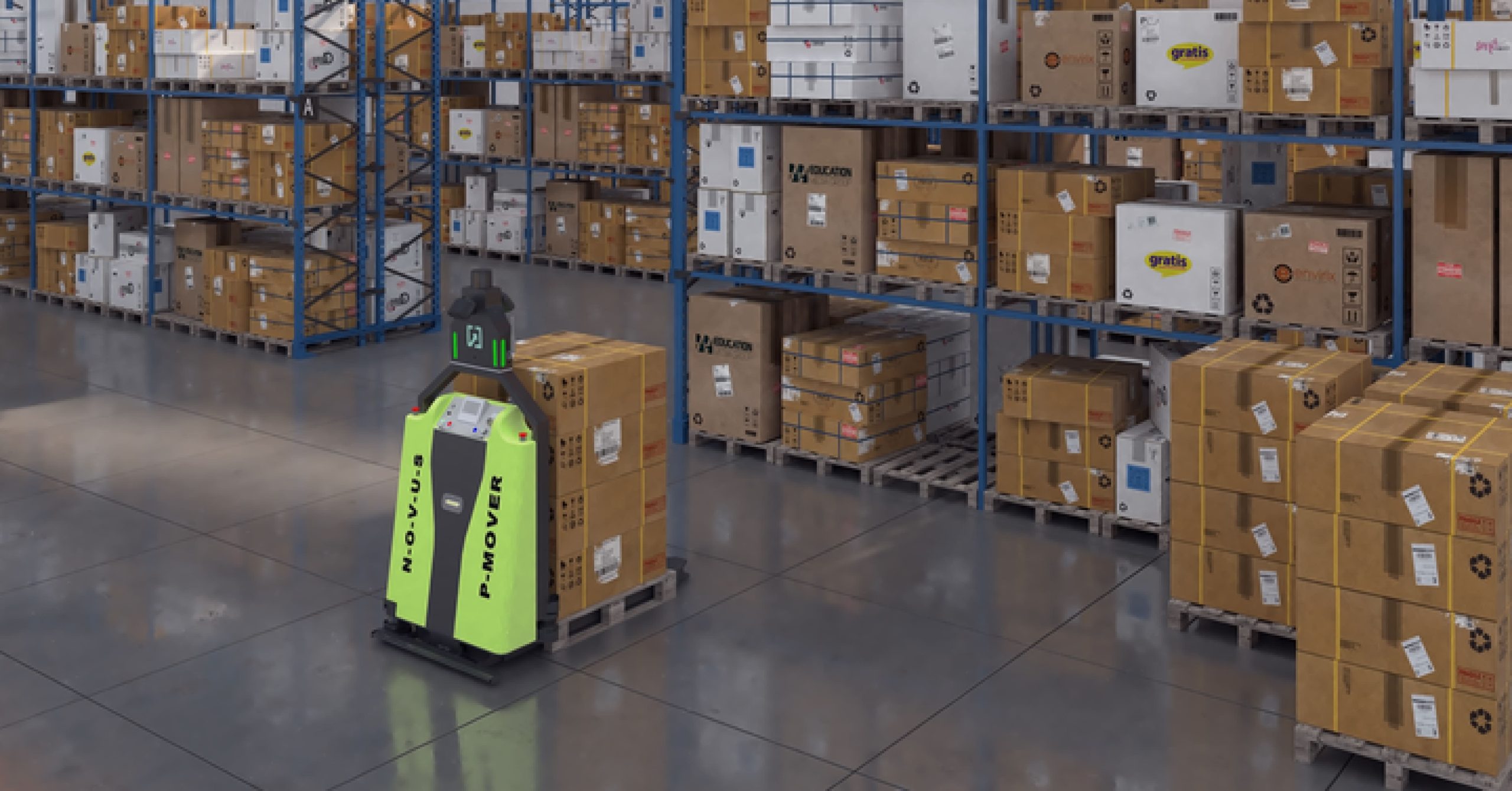
Autonomous Mobile Robots (AMRs): AMRs changed how factories move materials. They don’t rely on fixed routes. They adapt to real-time conditions, which reduces congestion and improves overall flow.

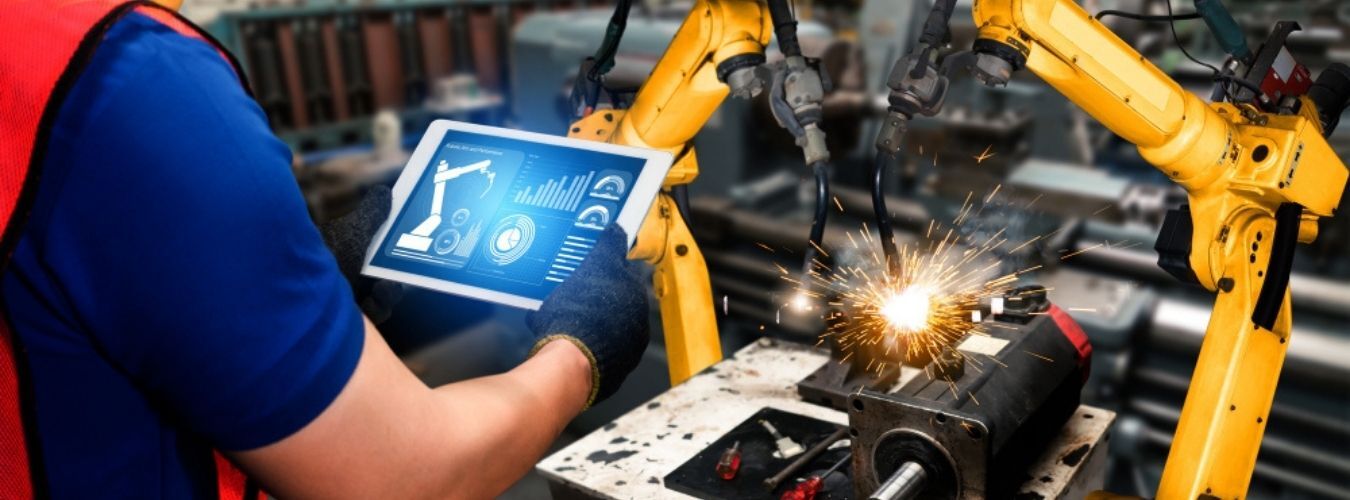
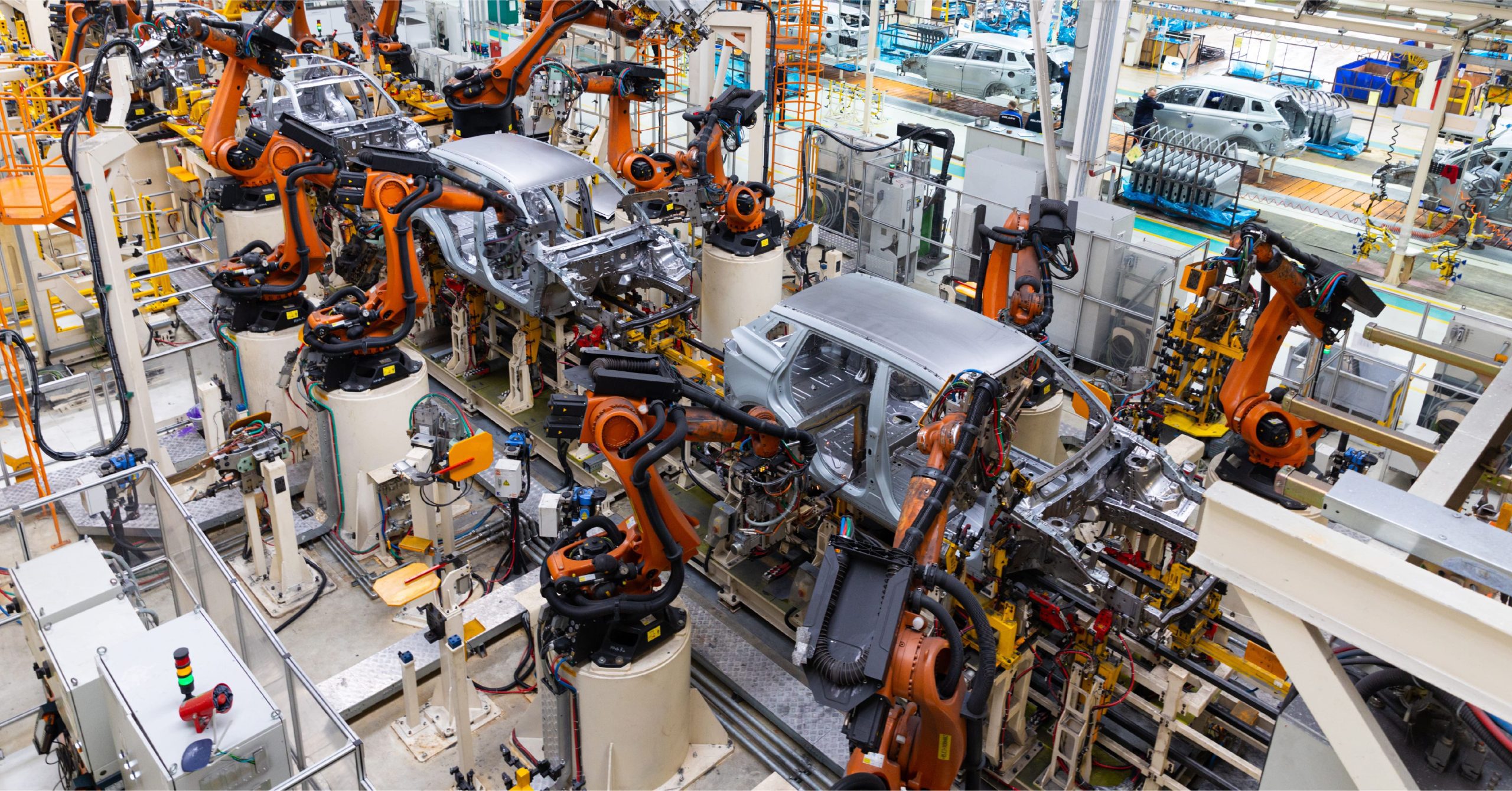
Welding Robots

Welding robots

Welding demands consistency. Robots deliver it.

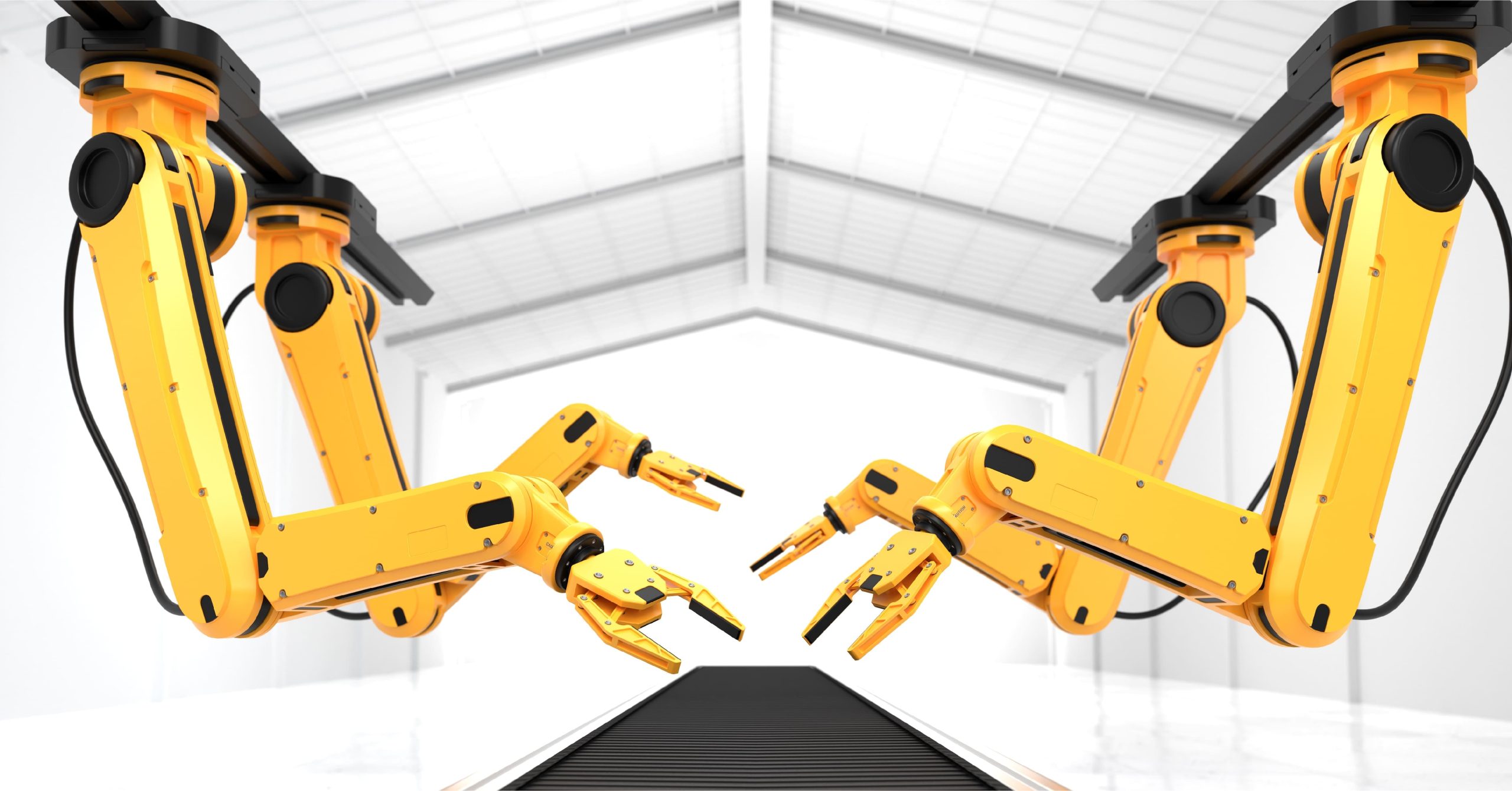
Articulated Robots

Used extensively for spot welding and arc welding. Their flexibility allows them to handle complex geometries without compromising accuracy.

Cobots

Cobots exist where full automation isn’t practical. They allow human involvement without sacrificing safety.

Painting Robots

Painting Robots

Painting tolerates no inconsistency.

Articulated Robots

These robots ensure even paint application, reduced waste, and repeatable finishes across vehicle surfaces.

Machine Tending Robots

Machine Tending Robots

Machine tending keeps production running smoothly.

Cartesian Gantry Robots

Reliable and precise. Ideal for loading and unloading CNC machines.

SCARA Robots

Fast enough to keep up with high-cycle operations.

Assembly Robots

Assembly Robots

Assembly varies in complexity.

Articulated Robots

Used for installing engines, doors, and larger assemblies.

SCARA Robots

Better suited for smaller, high-speed assembly tasks.

Cobots

Used where human judgement still matters — interiors, delicate components, collaborative work.

Quality Inspection Robots:

Quality Inspection Robots

Inspection is where automation prevents costly mistakes.

Vision-equipped Robots

They inspect welds, dimensions, and alignments consistently, reducing downstream failures.

Vinay Kandpal

Vinay Kandpal is a marketer at Novus Hi-Tech, driving growth across the company’s AI, Robotics, and ADAS solutions through strategic storytelling and data-led communication.

GOT A QUESTION?

Do you have questions about revolutionizing automotive automation with these 6 types of robots? If so, please get in touch and our expert team will be glad to help. Or if you are starting your journey in automotive automation, check out our free eBook on Robotic Solutions for the Automotive Industry.

YOU MIGHT ALSO LIKE