











In today’s rapidly advancing automotive industry, integrating Advanced Driver Assistance Systems (ADAS) in vehicles has become a crucial development. These systems represent a leap forward in vehicle safety, providing drivers with real-time assistance and information that can prevent accidents and save lives. As the technology behind ADAS continues to evolve, it is becoming an essential feature in modern vehicles, offering a range of benefits beyond safety. This blog will delve into why ADAS vehicles are the need of today’s scenario, exploring its features, benefits, and the technology driving it. By understanding the importance of ADAS, drivers can make informed decisions about their vehicle choices and prioritize their safety on the road.

Understanding ADAS in Vehicles
ADAS (Advanced Driver Assistance Systems) is a suite of electronic systems that assist drivers in driving and parking functions. By providing crucial information about the environment and surrounding conditions, ADAS enhances the safety and overall driving experience. These systems use various sensors, cameras, radar, and software to detect and respond to the surroundings.
Learn why Advanced Driver Assistance Systems (ADAS) are crucial for vehicle safety.
Download our free brochure/e-book for expert insights and trends!
Key ADAS Features in Vehicles:

1. Adaptive Cruise Control (ACC):
- Maintains a safe distance from the vehicle ahead by adjusting the speed.
2. Lane Departure Warning (LDW):
- Informs the driver if the vehicle starts to veer out of its lane.
3. Blind Spot Detection (BSD):
- Warns the driver of vehicles in the blind spot during lane changes.
4. Automatic Emergency Braking (AEB):
- Automatically engages the brakes if a potential collision is detected.
5. Traffic Sign Recognition (TSR):
- Detects and displays traffic signs on the vehicle’s dashboard.
6. Driver Monitoring System (DMS):
- Ensures driver alertness by tracking eye movements and head position, providing alerts if drowsiness or inattention is detected.
The Importance of ADAS in Vehicles
- Enhancing Safety: ADAS in vehicles significantly enhances road safety by reducing human error, which is a leading cause of accidents. Features like automatic emergency braking and lane departure warnings proactively prevent collisions and keep the vehicle in the correct lane, respectively. These systems are particularly beneficial in high-stress driving situations where driver fatigue or distraction can lead to accidents.
- Improving Driving Experience: ADAS technology provides a more comfortable and stress-free driving experience. Adaptive cruise control and parking assistance systems relieve the driver from constant monitoring and adjustments, allowing for a more relaxed journey, especially on long drives or in congested traffic.
- Reducing Traffic Accidents: Vehicle ADAS systems contribute to the overall reduction of traffic accidents. By automating responses to hazardous situations, such as sudden stops or lane changes, ADAS minimizes the risk of accidents. Studies have shown that vehicles equipped with ADAS technology have a lower accident rate compared to those without these systems.
- Lowering Insurance Costs: Insurance companies recognize the safety benefits of ADAS technology and often offer lower premiums for vehicles equipped with these systems. The reduced risk of accidents translates to fewer claims, incentivizing insurers to offer discounts to drivers who invest in ADAS-equipped vehicles.
- Meeting Regulatory Requirements: With the increasing emphasis on vehicle safety, regulatory bodies across the globe are mandating the inclusion of certain ADAS features in new vehicles. Compliance with these regulations not only ensures the safety of drivers and passengers but also keeps manufacturers ahead in the market.

ADAS Technology in Cars
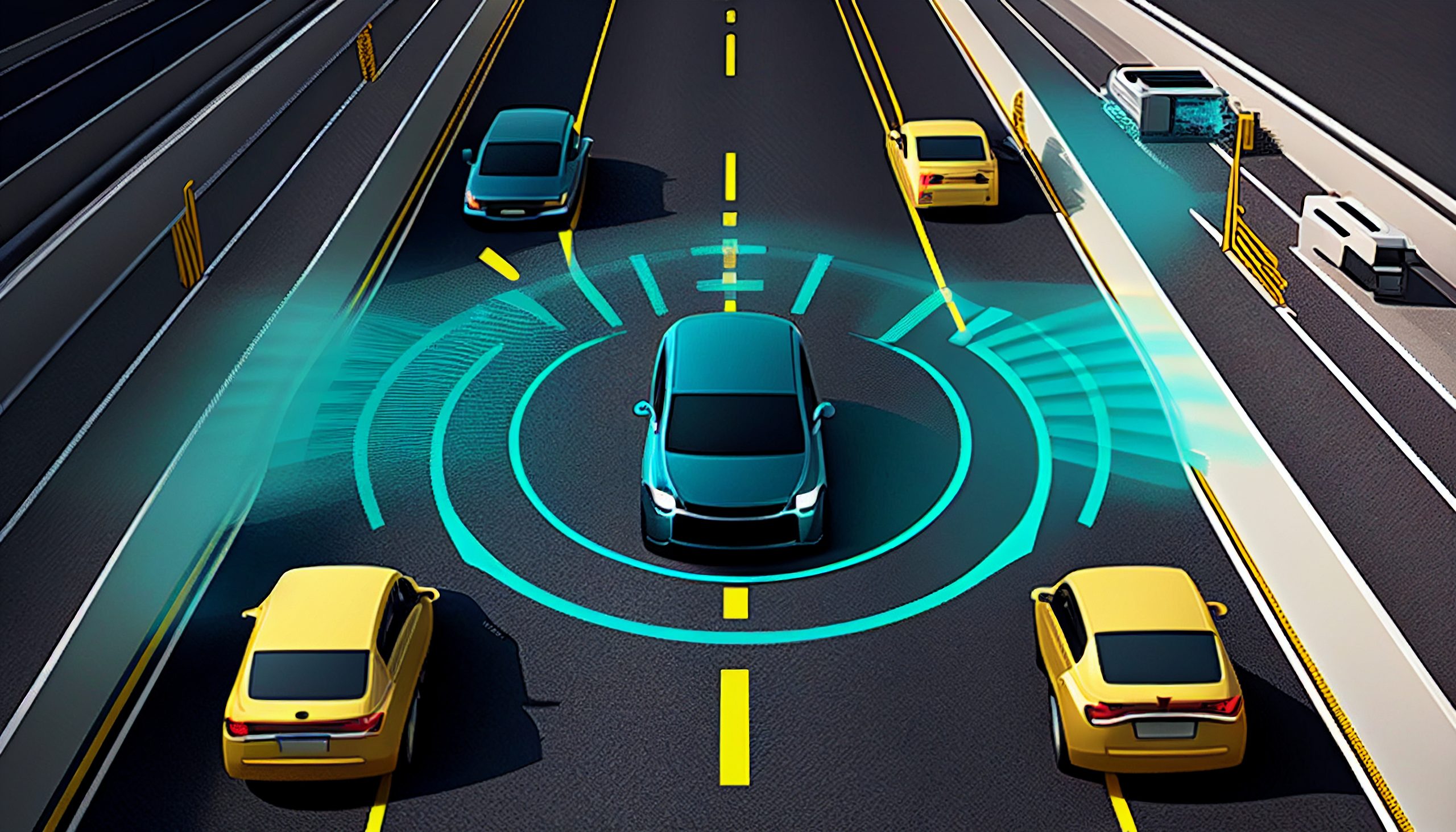
- Sensor Integration: ADAS systems rely on a network of sensors, including radar, lidar, ultrasonic sensors, and cameras, to monitor the vehicle’s surroundings. These sensors provide real-time data, enabling the system to make quick and accurate decisions.
- Data Processing and Software: The information gathered by the sensors is processed by sophisticated software algorithms. These algorithms analyze the data to identify potential hazards and determine the appropriate response, such as alerting the driver or taking automated action.
- Connectivity: Modern ADAS systems are increasingly connected to other vehicles and infrastructure through Vehicle-to-Everything (V2X) communication. This connectivity enhances the system’s ability to predict and respond to dynamic road conditions, improving overall safety and efficiency.
- Artificial Intelligence (AI) and Machine Learning: AI and machine learning play a significant role in the development of ADAS technology. These technologies enable ADAS systems to learn from past experiences, improving their accuracy and reliability over time. For example, machine learning algorithms can enhance object detection and recognition capabilities, making ADAS systems more adept at identifying potential threats.
The Future of ADAS in Vehicles
As technology continues to evolve, the capabilities of ADAS in vehicles are expected to expand. Future advancements may include:
- Fully Autonomous Driving: While current ADAS systems assist, the future points towards fully autonomous vehicles. ADAS technology will be a foundational component in achieving this goal, providing the necessary safety and reliability for driverless cars.
- Enhanced Connectivity: Improved V2X communication will allow ADAS-equipped vehicles to interact more seamlessly with other vehicles, pedestrians, and infrastructure. This connectivity will lead to more coordinated and efficient traffic management, reducing congestion and improving safety.
- Personalized Driving Experience: Advanced AI algorithms will enable ADAS systems to adapt to individual driving styles and preferences. This personalization will enhance the overall driving experience, making it more comfortable and intuitive for the driver.
- Greater Integration with Smart Cities: As cities become smarter, ADAS technology will integrate more closely with urban infrastructure. This integration will enable real-time traffic management, dynamic routing, and other smart city initiatives, further enhancing the safety and efficiency of urban transportation.
Conclusion
The importance of ADAS in vehicles cannot be overstated. From enhancing safety and improving the driving experience to reducing accidents and meeting regulatory requirements, ADAS technology is transforming the automotive industry. As advancements continue, the role of ADAS will only grow, paving the way for a safer, more efficient, and more enjoyable driving experience.
Investing in a vehicle equipped with ADAS is not just about keeping up with technology; it’s about making a smart choice for your safety and the safety of others on the road. As we look to the future, ADAS will remain a critical component of modern vehicles, driving us toward a new era of automotive innovation and excellence. Explore the latest in ADAS vehicle systems at Novus HiTech and equip your vehicle with the best in advanced driver assistance technology.
FAQs
1. What is an ADAS vehicle and how does it enhance safety?
An ADAS (Advanced Driver Assistance System) vehicle is equipped with technologies that assist drivers in operating the vehicle more safely. These systems use sensors, cameras, radar, and AI to monitor the surroundings, providing alerts and automatic interventions to prevent collisions and improve situational awareness.
Safety Enhancement:
- Collision Avoidance: Warns the driver or takes action to avoid potential crashes.
- Lane Assistance: Keeps the vehicle within lanes, preventing unintentional drifting.
- Adaptive Cruise Control: Maintains a safe distance from the vehicle ahead.
- Pedestrian Detection: Identifies and alerts drivers of pedestrians on the road, even applying brakes if necessary.
2. How does ADAS in a vehicle improve driving performance?
ADAS improves driving performance by reducing human error, enhancing precision, and automating complex driving tasks. Key improvements include:
- Optimized Braking and Acceleration: Systems like adaptive cruise control ensure smooth speed adjustments.
- Better Maneuvering: Lane-keeping assistance and automatic parking enhance precision.
- Reduced Fatigue: Driver monitoring systems and hands-free capabilities reduce the physical and mental strain on drivers.
- Improved Reaction Time: ADAS can detect obstacles faster than humans, allowing the vehicle to react more quickly.
3. What are the key components of a vehicle ADAS system?
The core components of an ADAS system include:
- Sensors: Radar, ultrasonic, and lidar sensors detect nearby objects and measure distances.
- Cameras: Provide visual data for lane detection, traffic sign recognition, and object identification.
- ECU (Electronic Control Unit): Processes data from sensors and cameras to make real-time decisions.
- Actuators: Enable automatic adjustments like steering, braking, or accelerating.
- Connectivity Systems: Integrate GPS, V2X (vehicle-to-everything) communication, and cloud services for enhanced navigation and safety.
4. How do vehicle ADAS systems help prevent accidents?
ADAS systems actively help prevent accidents by:
- Real-Time Hazard Detection: Constantly monitoring blind spots, nearby vehicles, and pedestrians.
- Automatic Emergency Braking (AEB): Stops the vehicle when a potential collision is imminent.
- Lane Departure Warning (LDW): Alerts the driver if the car unintentionally drifts from its lane.
- Driver Monitoring: Detects signs of drowsiness or inattention, prompting the driver to stay alert.
- Blind Spot Detection: Warns drivers of vehicles in their blind spots during lane changes.
5. What are the most common ADAS features in modern vehicles?
Modern vehicles often come equipped with the following ADAS features:
- Adaptive Cruise Control (ACC)
- Lane Keeping Assist (LKA)
- Blind Spot Monitoring (BSM)
- Automatic Emergency Braking (AEB)
- Traffic Sign Recognition
- Rear Cross Traffic Alert (RCTA)
- Parking Assist and 360-Degree Cameras
- Pedestrian Detection and Cyclist Alerts
ADAS features continue to evolve, contributing significantly to safer roads and better driving experiences.