
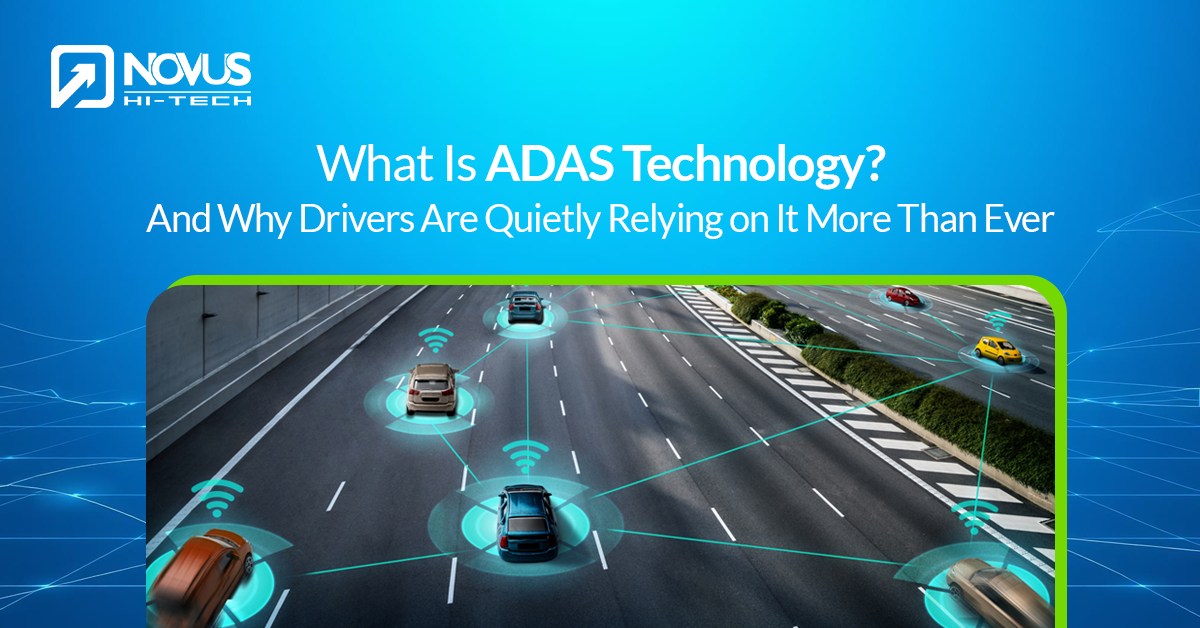
What is ADAS technology? Advanced Driver Assistance Systems (ADAS) are the electronic safety systems built into modern vehicles to monitor road conditions, detect hazards, and assist drivers before a situation becomes a collision. They work continuously in the background, without interrupting the drive unless something requires a response.
Most drivers encounter ADAS without fully registering it. A warning tone when the vehicle ahead brakes suddenly. An alert before drifting past a lane marking. A system that holds speed steady on a long highway stretch. These are not features designed for show. They are responses to a straightforward reality: driving demands more from human attention than human attention can consistently deliver, across every condition and every trip.
For OEMs integrating safety into new vehicle programmes and fleet operators managing drivers at scale, ADAS is no longer an optional upgrade. It is the baseline for any vehicle specification where safety, compliance, and operational continuity matter.
This article covers how ADAS technology works, what separates passive from active systems, the real-world benefits beyond accident prevention, and where the technology is headed next.
What is ADAS technology and how does it work?
ADAS stands for Advanced Driver Assistance Systems, but that name doesn’t explain much unless you’ve lived with it.
In real terms, ADAS technology is a set of systems that quietly watch the road when you can’t watch everything at once. It notices what you miss. It reacts when your response is just a fraction too slow.
It doesn’t drive for you.
It doesn’t take control away.
It simply steps in during moments where human attention slips—because it always does.
Why ADAS Became Necessary in the First Place
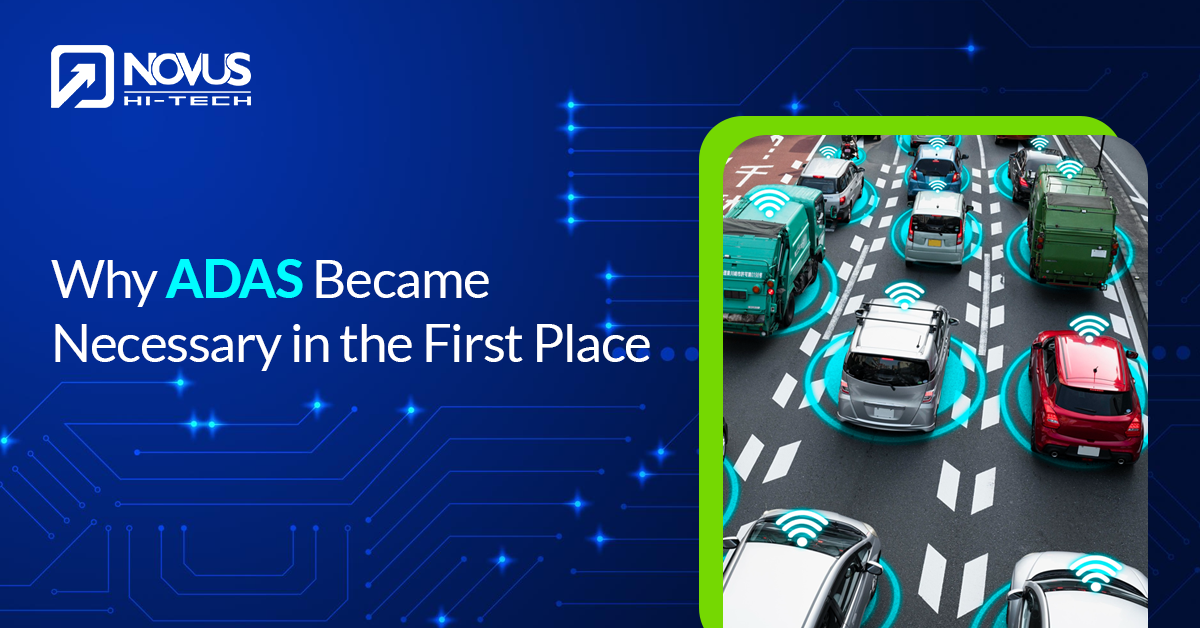
Let’s be honest. Most accidents don’t happen because drivers are reckless villains. They happen because someone looked away for a second. Because fatigue crept in. Because traffic behaved differently than expected.
Driving conditions have changed. Roads are crowded. Delivery timelines are tighter. Distractions are constant.
ADAS technology exists because relying only on perfect human behaviour is no longer realistic.
It’s not about distrust in drivers. It’s about acknowledging reality.
Explore how Advanced Driver Assistance Systems (ADAS) revolutionize driving. Download our Brochure for expert insights and trends!
How ADAS Sees the Road Differently Than Humans
Humans are good at judgment. Machines are good at consistency.
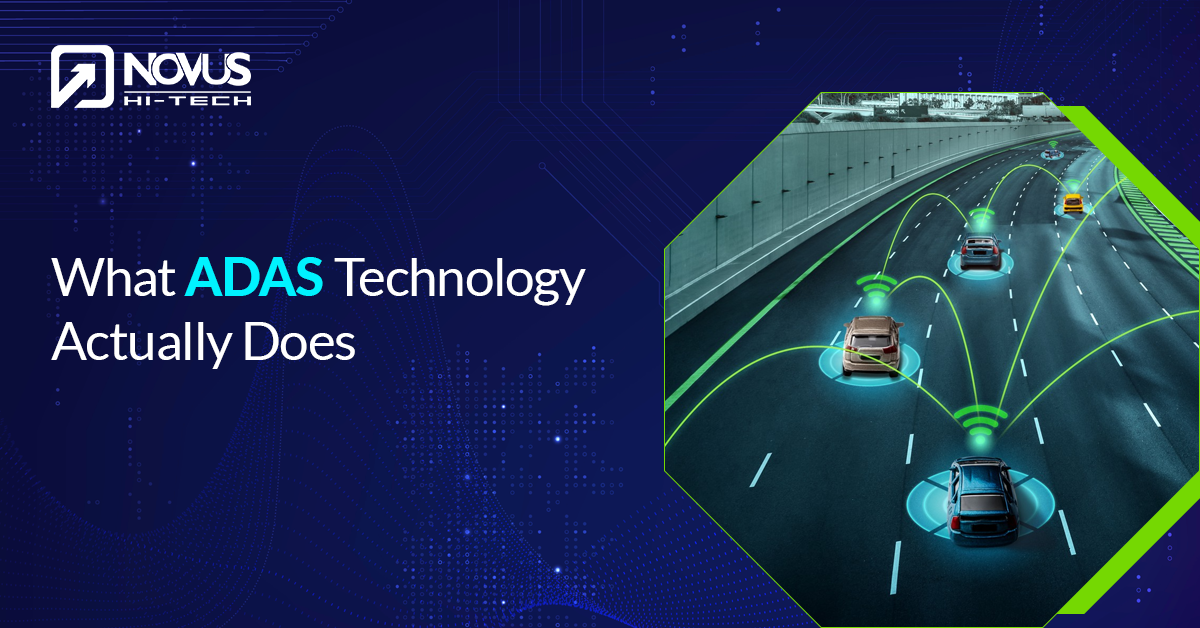
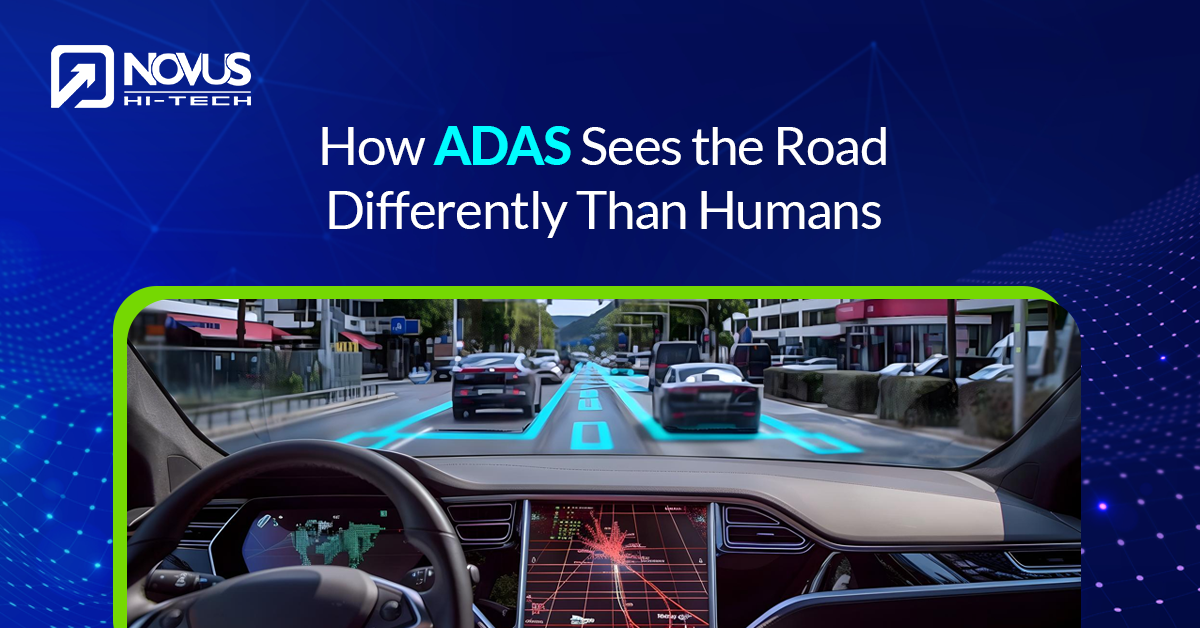
ADAS technology uses cameras, sensors, radar, and software to constantly read the environment around a vehicle. Unlike people, it doesn’t get tiring. It doesn’t assume. It doesn’t look away.
Cameras read lane markings and movement.
Sensors detect proximity.
Radar measures speed and distance, even in poor visibility.
All of this information is processed instantly. Not emotionally. Not reactively. Just logically.
That’s why ADAS can respond faster than a person in those critical seconds where outcomes are decided.
How ADAS Improves Road Safety in Real Life
The biggest impact of ADAS isn’t dramatic intervention. It’s prevention.
A gentle alert before drifting out of a lane.
A warning before you get too close to the vehicle ahead.
A brake is applied when reaction time isn’t enough.
These moments don’t always feel dramatic, but they’re the moments that prevent accidents from happening in the first place.
ADAS technology improves road safety by reducing how often small human mistakes turn into irreversible consequences.
Passive vs Active ADAS
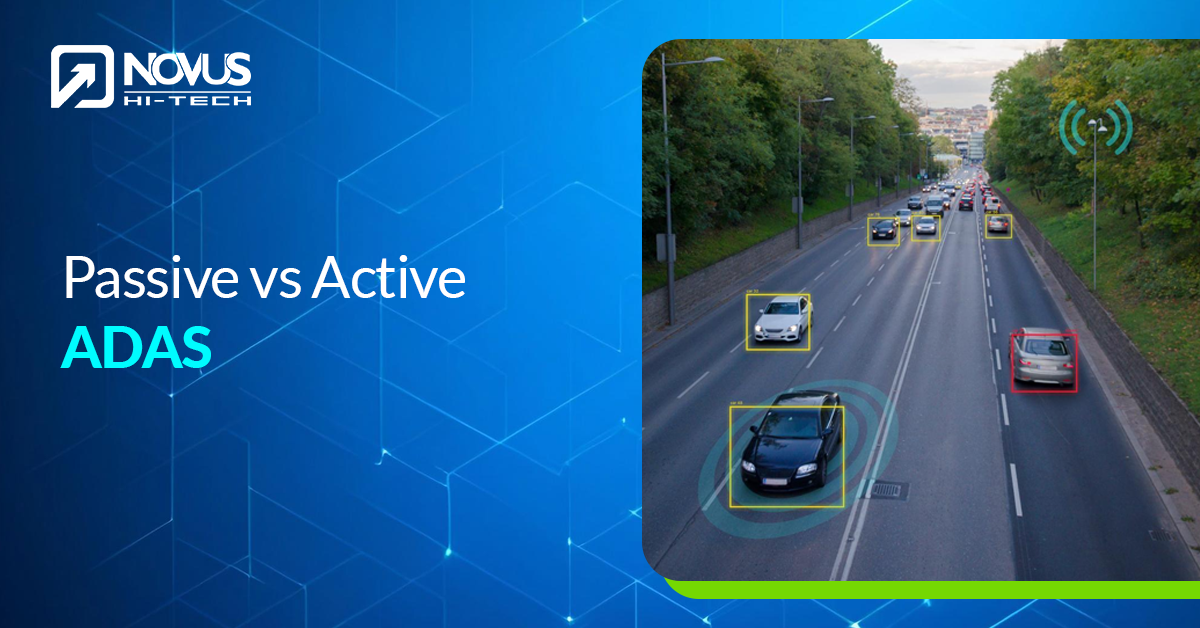
Some ADAS systems simply warn you. A sound. A vibration. A visual cue. These are passive ADAS systems. They respect that the driver is still in charge.
Others go further. They slow the vehicle. Apply brakes. Adjust steering. These are active ADAS systems, and they exist for moments where hesitation can cost lives.
Most drivers don’t think in these categories. They just know when the car “helped” them—and why that mattered.
The Real Benefits of ADAS Technology
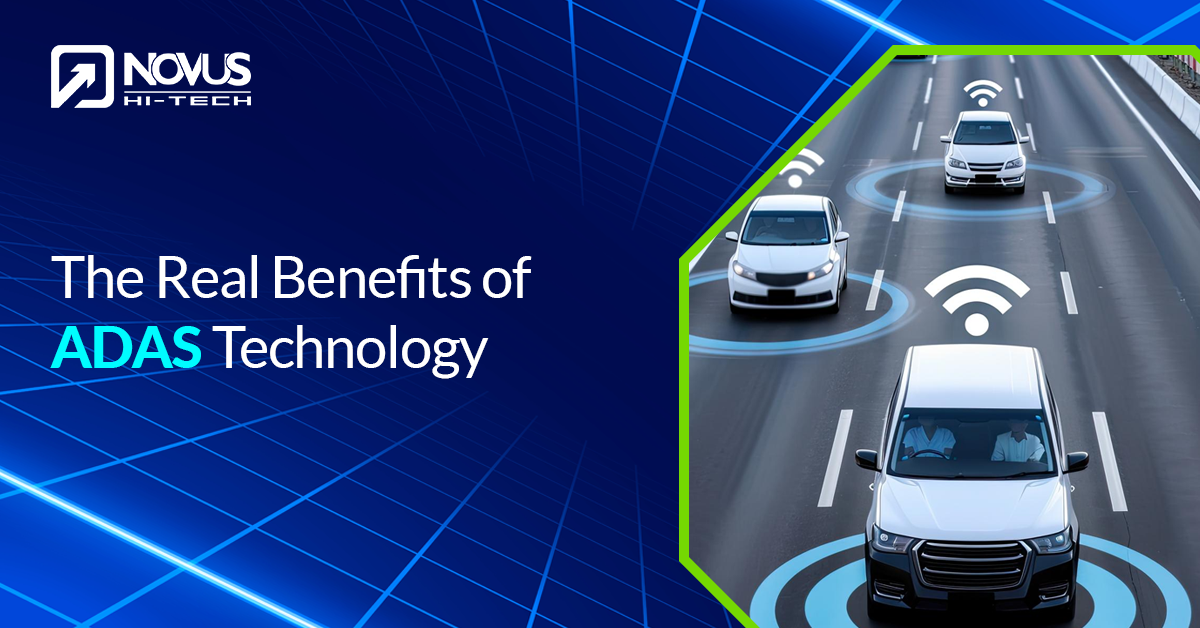
Accident reduction is the headline benefit of ADAS, but it is not the complete picture.
ADAS reduces cognitive load on drivers during high-demand conditions. It extends driver endurance on long-haul routes by handling the lower-level monitoring tasks that accumulate fatigue. It builds driver confidence in unfamiliar roads or adverse weather.
For commercial fleets, the operational case goes beyond safety metrics. Fewer incidents mean fewer unplanned vehicle withdrawals. Proactive driver monitoring creates a feedback loop that improves driver behaviour over time. Insurance providers and regulatory bodies increasingly treat ADAS adoption as a positive indicator in risk assessment.
The value of ADAS often shows up after the drive, in what did not happen, and in what did not cost the business anything that day.
Where ADAS Still Has Limits
ADAS isn’t perfect. It depends on road quality. On clear markings. On proper calibration. It still needs drivers to stay engaged and aware.
And it should.
ADAS technology is a support system, not a replacement for responsibility. The safest outcomes happen when technology and human judgment work together—not when one replaces the other.
Where ADAS Is Headed Next
The future of ADAS isn’t about flashy features. It’s about understanding context better.
Vehicles that communicate with their surroundings.
Systems that anticipate risk instead of reacting to it.
Smarter interpretation of driver behaviour and road conditions.
ADAS is also the foundation for autonomous driving, but that transition is gradual, intentional, and built on trust.
A Final Thought
ADAS technology isn’t exciting in the way people expect technology to be. It doesn’t show off. It doesn’t demand attention.
It simply does its job—quietly preventing situations that would otherwise become accidents.
At Novus Hi-tech, the focus has always been on building ADAS solutions that work in real driving conditions, not ideal ones. Systems designed for real roads, real traffic, and real human behaviour.
Because the future of safe driving isn’t about removing people from the equation.
It’s about supporting them, when it matters most.