





The automotive industry is undergoing a groundbreaking transformation, driven by the rise of software defined vehicles. These vehicles represent the convergence of hardware and software, where functionalities and features are primarily controlled and enhanced through software, rather than traditional mechanical systems. With innovations in connectivity, artificial intelligence, and cloud technology, software defined vehicles (SDVs) are redefining mobility, offering improved user experiences, operational efficiencies, and unparalleled adaptability.
This blog delves into what a software defined vehicle is, explores the key aspects of software defined vehicle architecture, and highlights why this next-generation technology is poised to revolutionize the automotive landscape.
What is a Software Defined Vehicle?
At its core, a software defined vehicle (SDV) is a car where the majority of functions—including vehicle performance, safety systems, user interfaces, and connectivity—are managed and optimized through software. Unlike traditional vehicles where mechanical components dictate the operation, SDVs leverage software updates to enhance functionality over time.
In simpler terms, an SDV operates much like a smartphone. Just as you can update your phone to access new features or improvements, software defined vehicles allow automakers to deliver upgrades, performance enhancements, and new services via over-the-air (OTA) updates. This creates a dynamic and future-proof vehicle capable of adapting to evolving user needs and technological advancements.
Learn how Software Defined Vehicles transform the future of transportation.
Download our free brochure/e-book for expert insights and trends!
Key Features of Software Defined Vehicles:

- Over-the-Air Updates: SDVs can receive software updates remotely, enabling performance improvements, bug fixes, and the addition of new features without visiting a dealership.
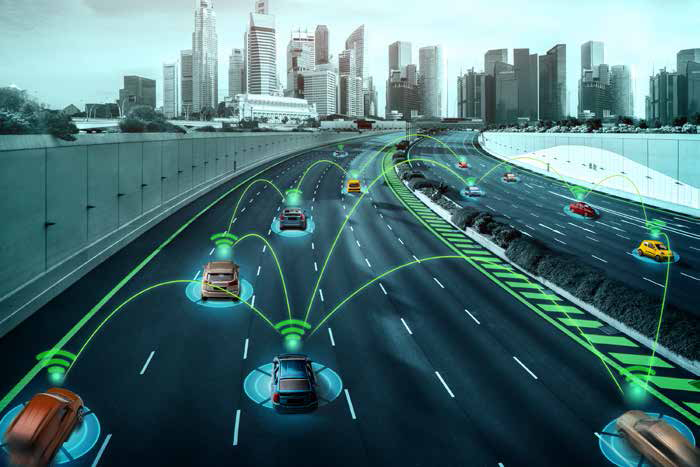
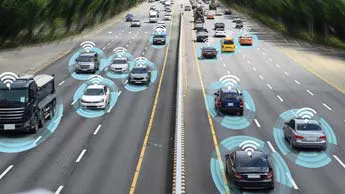
- Connectivity: These vehicles are equipped with robust internet connectivity, ensuring seamless communication with cloud servers, other vehicles, and infrastructure.
- Modularity: Functions like infotainment, driver assistance, and even drivetrain performance can be fine-tuned and upgraded through software alone.
- AI Integration: Artificial intelligence plays a critical role in SDVs, enhancing safety systems, predictive maintenance, and autonomous driving capabilities.

Understanding Software Defined Vehicle Architecture

To truly appreciate the impact of software defined vehicles, it is essential to understand the concept of software defined vehicle architecture. This architecture moves away from the conventional automotive model—where hardware components operate independently—to a centralized and software-driven ecosystem.
The architecture of a software defined vehicle typically includes the following components:
- Centralized Computing Platform
- Traditional vehicles rely on multiple Electronic Control Units (ECUs) for managing specific functions like braking, steering, and infotainment. In SDVs, these ECUs are consolidated into a centralized computing platform.
- This centralization reduces hardware complexity and enables faster, more coordinated communication between systems.
- Cloud Connectivity
- SDVs are designed to be always connected to the cloud. This enables real-time data sharing, over-the-air updates, and advanced analytics.
- Cloud connectivity ensures that vehicles can continuously improve and adapt based on data-driven insights.
- Service-Oriented Architecture (SOA)
- SDVs operate on a service-oriented architecture where software services can be modularly developed, updated, and deployed.
- Automakers and third-party developers can deliver software applications that improve vehicle performance, safety, or user experience.
- Data-Driven Operations
- Sensors and software within the vehicle collect vast amounts of data related to driving patterns, vehicle health, and environmental conditions.
- This data powers AI-driven systems for predictive maintenance, driver safety alerts, and even autonomous driving capabilities.
- Cybersecurity Framework
- With the increased reliance on software and connectivity, security is paramount. SDVs incorporate robust cybersecurity protocols to protect against cyber threats and ensure data integrity.
By integrating these elements, software defined vehicle architecture ensures that cars become intelligent, adaptive, and highly efficient machines.
Why Software Defined Vehicles are the Future

The shift towards software defined vehicles represents a fundamental change in the automotive industry, unlocking unprecedented opportunities for automakers, consumers, and the broader mobility ecosystem. Here are the key reasons why SDVs are the future of transportation:
1. Continuous Innovation and Upgradability
One of the most significant benefits of software defined vehicles is their ability to evolve over time. Instead of being limited to the features available at the time of purchase, SDVs can receive regular software updates, enhancing everything from performance and safety to entertainment systems.
For example, an automaker can roll out updates that improve fuel efficiency, introduce new driver assistance features, or upgrade the user interface—all through OTA updates.
2. Enhanced Safety and Driver Assistance
Software plays a critical role in improving vehicle safety. Advanced Driver Assistance Systems (ADAS), powered by AI and machine learning, enable features like:
- Lane departure warnings
- Adaptive cruise control
- Collision avoidance systems
- Real-time driver monitoring
These systems make driving safer by anticipating and mitigating risks through software-driven intelligence.
3. Optimized Performance and Efficiency
With software controlling critical vehicle functions, SDVs can optimize performance in real time. For example:
- Powertrain software can fine-tune fuel efficiency or battery performance in electric vehicles.
- Driving modes can be customized based on user preferences, terrain, or environmental conditions.
4. Personalized User Experience
Software defined vehicles allow for deep personalization. From customized infotainment options to tailored driving settings, users can configure their vehicle experience to match their preferences. AI-powered systems can even learn driver habits and adapt accordingly.
5. Cost Savings for Manufacturers and Consumers
SDVs reduce reliance on complex hardware systems, lowering manufacturing costs and simplifying maintenance. Consumers benefit from fewer mechanical failures and the convenience of software updates that improve vehicle longevity and functionality.
6. Enabler for Autonomous Driving
The future of autonomous driving heavily relies on SDVs. Software-driven intelligence, combined with real-time sensor data and cloud connectivity, forms the backbone for autonomous systems that can safely navigate complex environments.
Challenges in Adopting Software Defined Vehicles
While the potential of software defined vehicles is immense, the transition comes with certain challenges:
- Cybersecurity Concerns
- As vehicles become more connected, they become vulnerable to cyberattacks. Automakers must implement stringent cybersecurity protocols to safeguard vehicles and user data.
- High Initial Development Costs
- Building centralized computing platforms and advanced software systems requires significant investment. However, long-term benefits outweigh these costs.
- Data Privacy Issues
- Continuous data collection raises concerns about user privacy. Automakers must balance innovation with transparent data policies and user consent.
- Skill Gap in Workforce
- The shift to SDVs demands expertise in software development, AI, and cybersecurity. Upskilling the automotive workforce is crucial to meet this demand.
Conclusion: The Road Ahead for Software Defined Vehicles
The era of software defined vehicles is here, marking a revolutionary step towards smarter, safer, and more connected mobility. By leveraging software defined vehicle architecture, automakers can deliver vehicles that adapt to user needs, enhance safety, and optimize performance in real time.
As technological advancements continue to accelerate, SDVs will play a pivotal role in shaping the future of autonomous driving, electric mobility, and connected ecosystems. For consumers, this means owning a vehicle that is always evolving—a truly future-proof investment.
In conclusion, software defined vehicles are not just a trend; they represent the next chapter in the automotive revolution. As automakers and technology companies collaborate to overcome challenges, the possibilities for innovation are limitless.
Are you ready to embrace the future of mobility? Stay tuned as software defined vehicles transform the way we drive, experience, and interact with our cars—one software update at a time.
Key Takeaways
- Software defined vehicles enhance vehicle functionality, safety, and user experience through software.
- Software defined vehicle architecture integrates centralized computing, cloud connectivity, and modular services.
- SDVs enable continuous innovation, personalization, and cost savings for both manufacturers and consumers.
- While challenges exist, the potential for SDVs to revolutionize mobility is undeniable.
- The future of autonomous driving and electric vehicles relies on the advancements made possible by SDVs.