
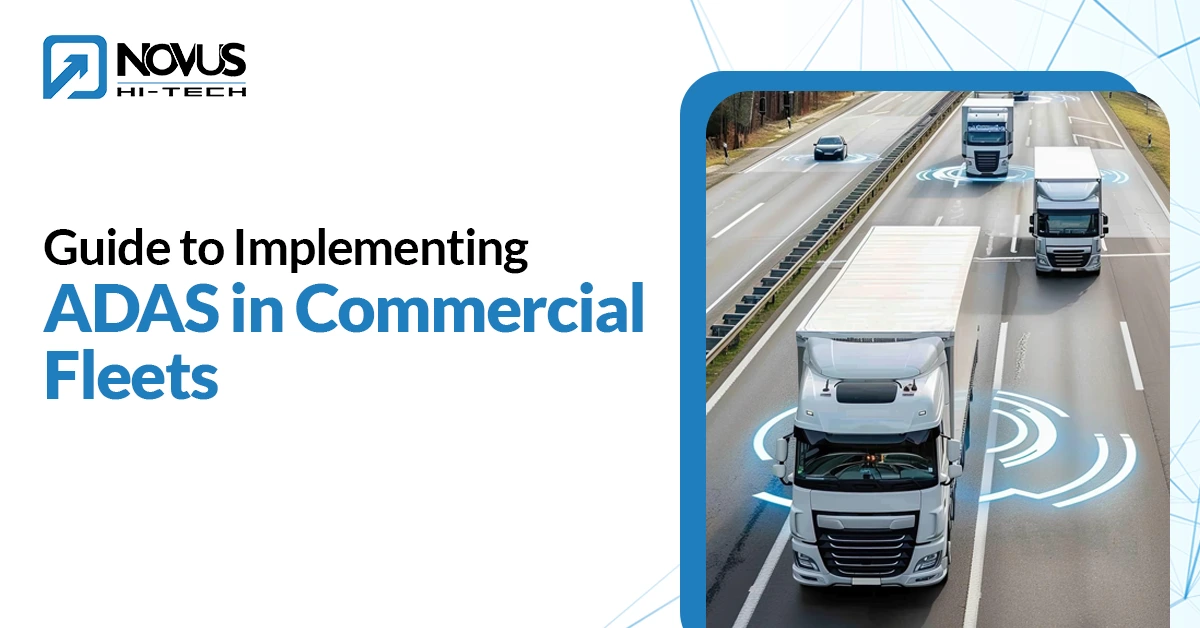
It’s not until things go wrong that you really notice safety.
That’s the harsh reality fleet managers deal with every day. A missed reaction. A blind spot. One second too late, and it’s no longer just about the vehicles. It’s about costs, downtime, and sometimes people.
This is exactly where ADAS in commercial fleets stops being a technology conversation and becomes an operational one. Not as a nice-to-have upgrade, but as something far more practical: a system built to limit the impact of human error before critical situations turn irreversible.
Surprisingly, most fleets don’t struggle to understand what ADAS does. What they find genuinely hard is putting it into practice at scale.
We should change that.
What ADAS Really Means for Fleet Safety
Just forget the tedious technical talk.
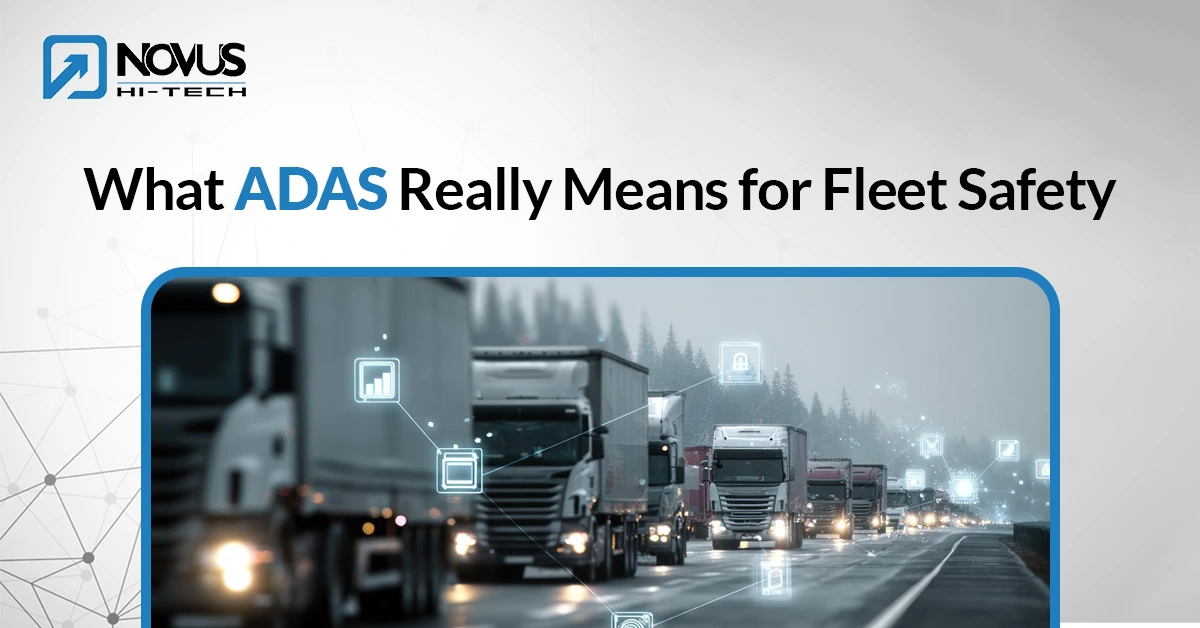
ADAS is more than just cameras and sensors attached to a car. It’s a layer that makes decisions – one that considers tens of thousands of data points and reacts much faster than any human could.
Why not think of it this way: on the highway, a one-second standstill can change the outcome from a near miss to an accident. ADAS dramatically reduces that standstill.
In essence, it’s a step forward in fleet safety – fewer accidents and better management of unexpected situations.
However, starting the process? Most companies really struggle there.
Why Most ADAS Implementations Fail (and What to Do Instead)
The majority of companies treat ADAS systems as hardware enhancements which they implement by installing devices and providing their drivers with short training sessions to achieve operational results. The process needs to follow different methods. ADAS operates as a complete system because it combines multiple components into one solution.
The system requires all three elements: technology, people, and processes to achieve proper system alignment.
The following situation represents the main point where system operations fail.
Organizations install devices but they fail to use the acquired data.
Drivers oppose new procedures because they perceive them as personal violations.
The system lacks any method to connect with current fleet management activities. The system does not provide any method to track return on investment. The process of successful implementation begins at the time before actual installation work begins.
Discover the ways that ADAS technology can operate within your fleet systems while maintaining current operational activities.
The study investigates the practical application of Novus Hi-Tech intelligent fleet safety solutions in real-world situations.
Step-by-Step Approach to Implementing ADAS in Commercial Fleets
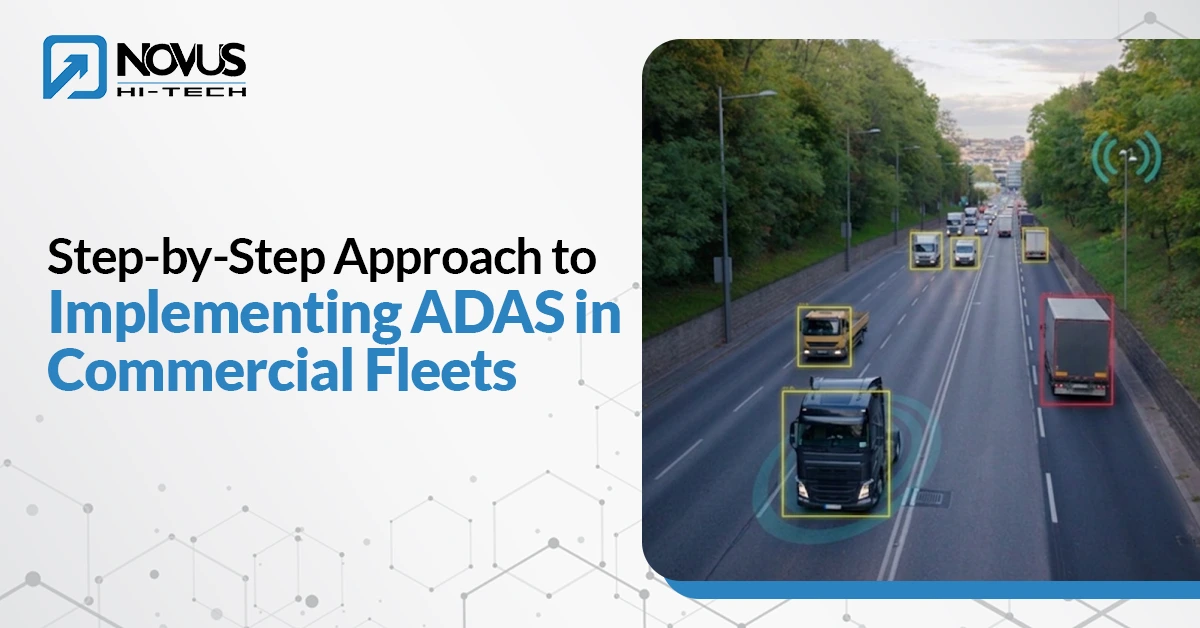
Let’s dissect it in a manner that is operative at the ground level.
1. Prioritize Risk instead of Technology
Consider vendors, hardware only after you do this:
What are your most severe safety risks?
Is it highway driving? The traffic in the city? Fatigue of the driver? Operations at night?
Advanced driver-assistance systems (ADAS) are most effective when addressing a pinpointed issue rather than being implemented without consideration.
2. Choose the Right ADAS Features (Not All of Them)
Not every fleet needs every feature. Overloading vehicles with unnecessary tech only complicates adoption.
Here’s a quick breakdown to make things clearer:
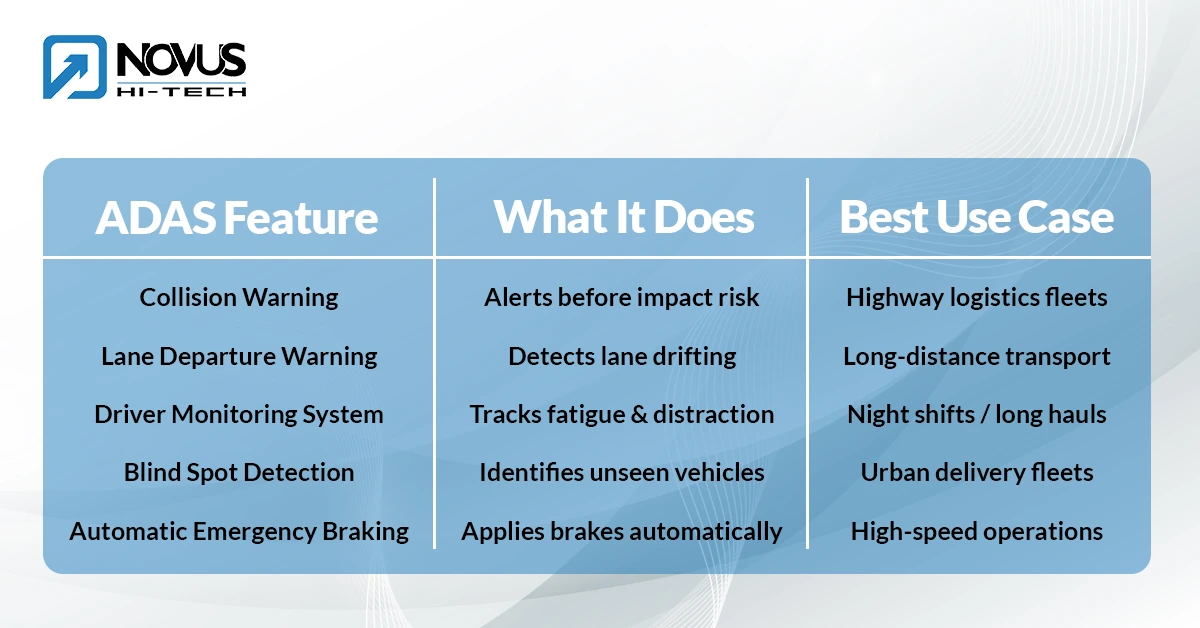
The smarter move? Start small. Scale later.
3. Integrate ADAS with Your Fleet Ecosystem
This is where most fleets miss the opportunity.
ADAS generates valuable data but if it’s sitting in isolation, it’s useless.
You need integration with:
- Fleet management systems
- Telematics platforms
- Operational dashboards
That’s how you turn alerts into actionable insights.
4. Train Drivers Like Stakeholders, Not Users
Here’s the honest part—drivers don’t always trust ADAS at first.
Some feel it’s monitoring them. Others think it questions their skills.
So don’t position it as control.
Position it as support.
Show them:
- How ADAS reduces fatigue
- How it prevents unpredictable risks
- How it actually protects them
Once drivers see the benefit, adoption becomes easier.
Want a system that drivers actually trust and adopt?
Discover how Novus SafePro by Novus Hi-Tech blends AI with real-time driver insights for smarter fleet safety.
5. Track What Actually Matters
If you’re not measuring impact, you won’t see value.
Focus on metrics like:
- Reduction in near-miss incidents
- Decrease in harsh braking events
- Driver fatigue alerts
- Insurance claim frequency
Over time, these numbers tell the real story.
What Changes After ADAS Implementation?
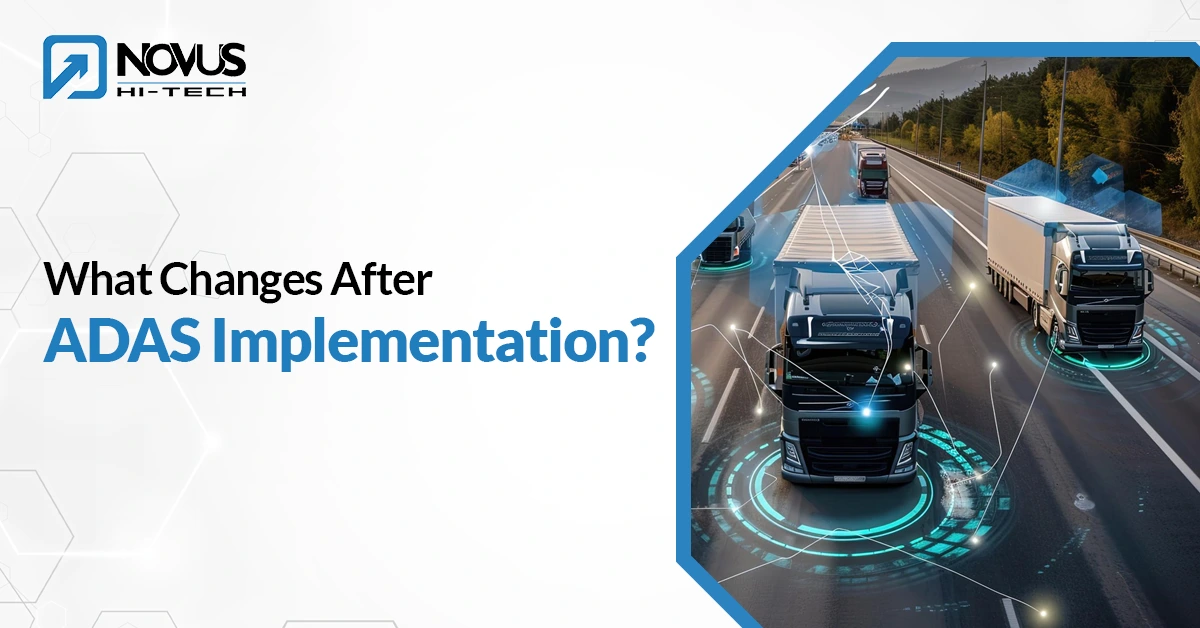
The situation becomes exciting at this particular moment.
You begin to recognize patterns which were previously hidden from your view.
The routes which appeared to be efficient turned out to be unsafe.
The drivers who appeared to be in good condition showed signs of exhaustion through their driving behavior.
The encounters which required quick responses determined the outcome of the situation.
ADAS systems enhance both safety protection and driver operational understanding.
The organization shifts its activities from responding to emergencies toward establishing planned operations.
The Bigger Picture: Beyond Safety
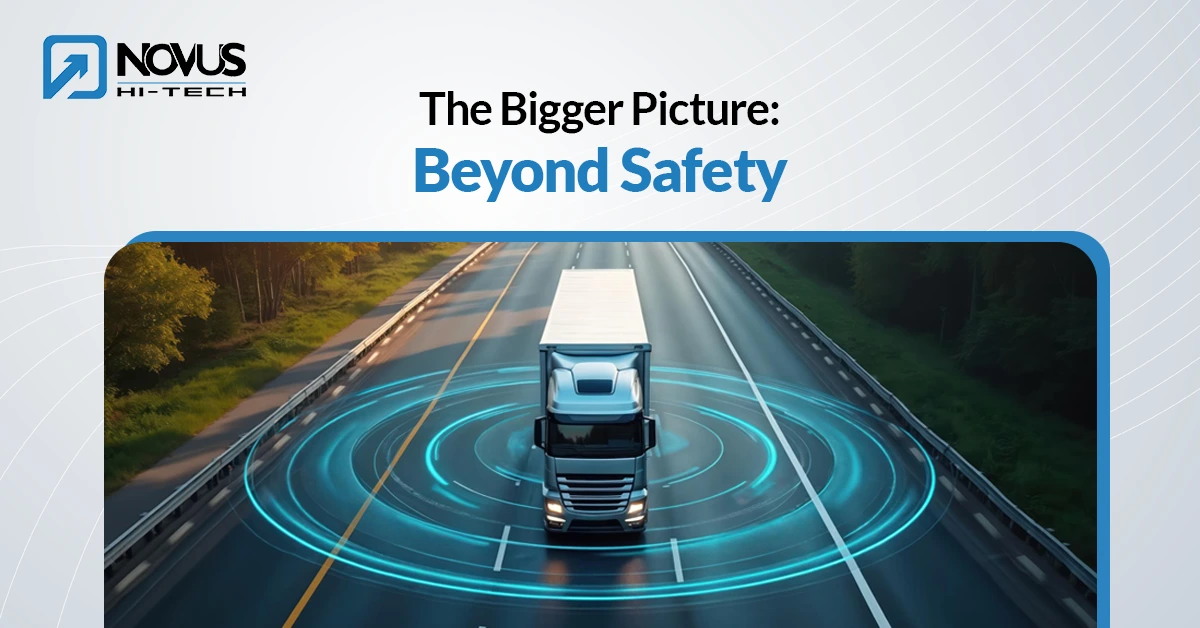
Most people stop at safety when they talk about ADAS.
But in reality, it goes further.
- Lower operational risk
- Reduced downtime
- Better insurance positioning
- More predictable fleet performance
What this means is—you’re not just investing in safety.
You’re investing in long-term operational intelligence.
Ready to move from reactive safety to intelligent fleet operations?
Talk to Novus Hi-Tech and see how ADAS-powered solutions can transform your fleet performance.
Final Thoughts
Honestly, here’s the main point.
Advanced Driver Assistance Systems (ADAS) will not solve every problem instantly. They are not magical solutions.
However, when done correctly, supported by the right strategy, integration, and mindset, they transform the way fleets run.
It limits unpredictability. It establishes reliability.
And the best part, it introduces a decision-making component that doesn’t suffer from fatigue, distraction, or procrastination.
It’s more than just a technology.
It’s a step forward.