
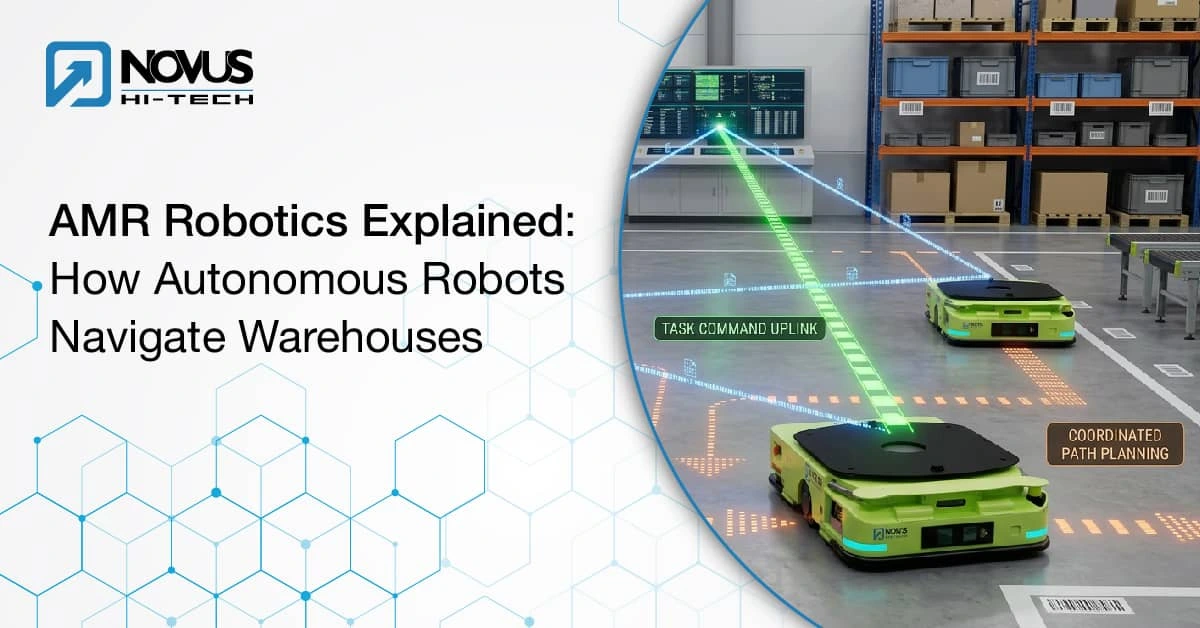
Walk into a modern warehouse today and you’ll sense the difference before you even understand it. It’s not just about speed—it’s about how smoothly everything moves. There’s a rhythm to it. Machines glide past racks, pause when needed, adjust their paths, and continue without disrupting the flow. No loud halts, no confusion, no bottlenecks. Just movement that feels… intentional.
That’s where AMR robotics steps in. And honestly, once you experience it, traditional setups start to feel outdated. Because this isn’t just automation doing what it’s told. It’s automation that understands context. It reacts. It adapts. It keeps things moving even when the environment doesn’t cooperate—and in a warehouse, it rarely does.
What is AMR Robotics, Really?
Let’s break this down without overcomplicating it.
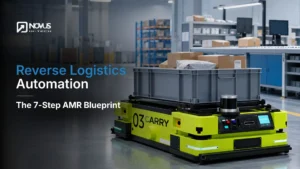
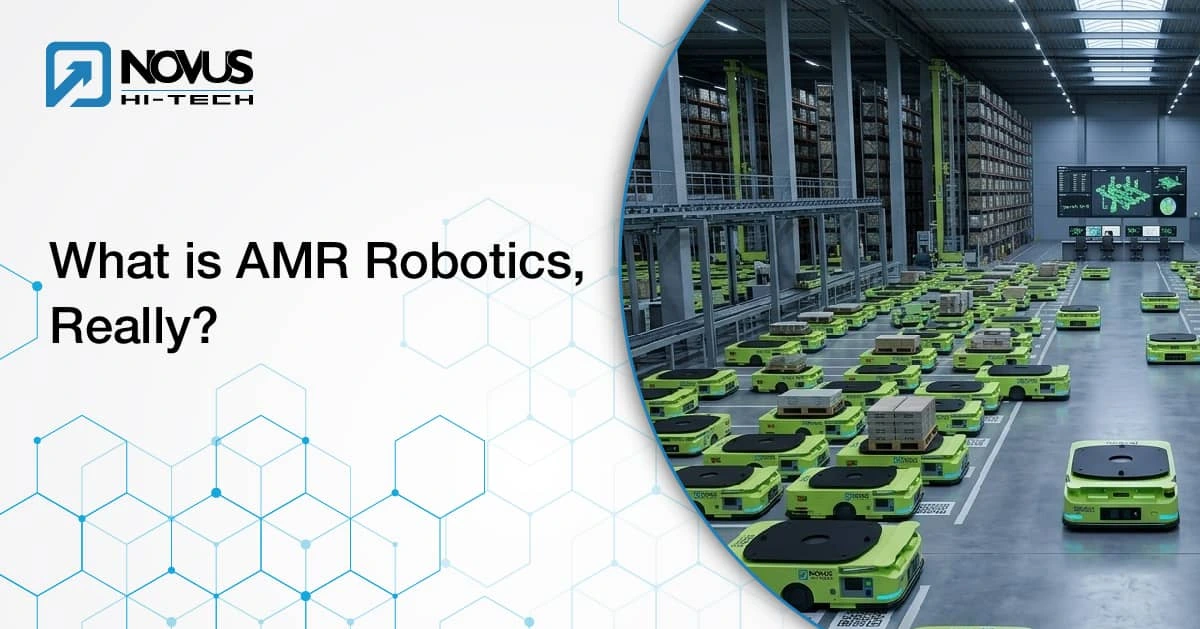
An AMR robot or Autonomous Mobile Robot is built to move independently within a space without relying on fixed guides or predefined routes. It doesn’t need magnetic strips on the floor or rigid pathways to follow. Instead, it uses intelligent robotics navigation systems to understand its surroundings and decide its next move in real time.
Here’s a simple way to look at it. Traditional systems behave like trains—they follow a track, no matter what’s in the way. AMRs behave more like experienced drivers. They observe, anticipate, and adjust based on what’s happening around them.
And that small shift from following to thinking is what changes everything.
Now let’s get into what makes this possible. Because the real magic of autonomous warehouse robots isn’t just movement it’s how they figure out where and how to move.
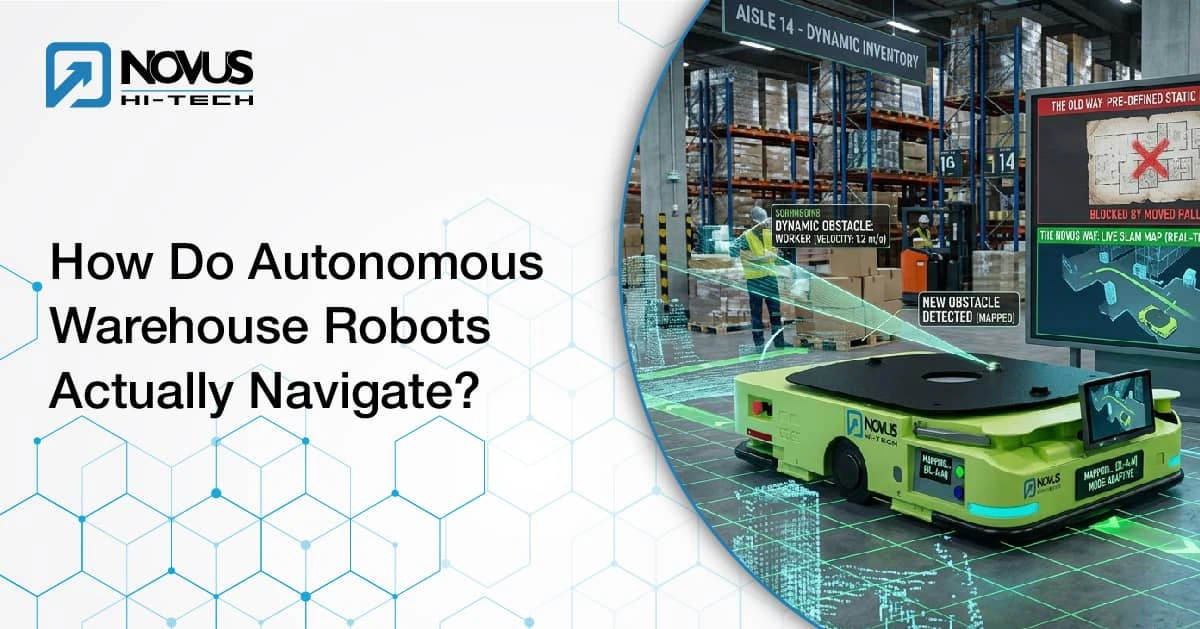
It starts with mapping. The moment an AMR enters a warehouse, it begins creating a digital representation of that space. Using a combination of LiDAR sensors, cameras, and depth perception technologies, it scans the environment and builds a layout in real time. This process, known as SLAM, allows the robot to map its surroundings while simultaneously identifying its own position within that map.
What this means in practical terms is simple—the robot doesn’t need external guidance once it understands the space. It knows where it is, where it needs to go, and how to get there efficiently.
But mapping is just the starting point. What really sets warehouse mobile robots apart is how they behave once they start moving. Warehouses are dynamic environments. Obstacles appear unexpectedly, pathways get blocked, and human movement adds unpredictability. Instead of freezing or waiting for instructions, AMRs process these changes instantly. They reroute, slow down, or choose alternative paths without interrupting operations.
It’s not just navigation. It’s continuous decision-making. And that’s where intelligence comes into play.
See AMRs in Action
Explore how Novus Hi-Tech’s AMR solutions bring real-time intelligence and flexibility to your warehouse operations.
Fleet Intelligence, Not Just Individual Robots
One robot operating efficiently is impressive. But the real impact shows up when multiple AMRs work together.
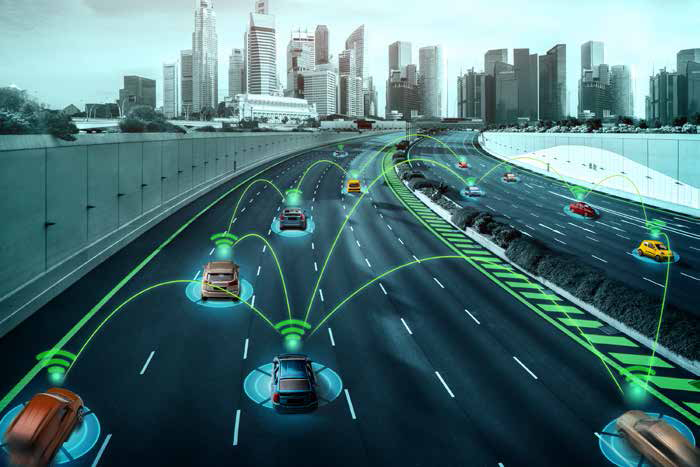
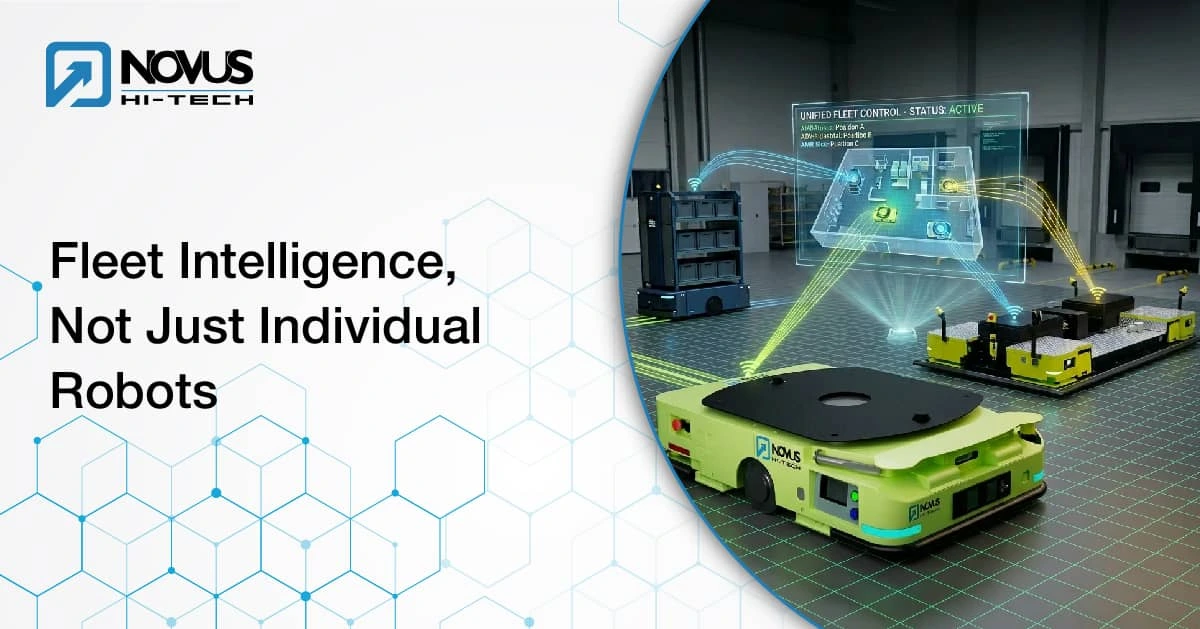
A fleet of autonomous warehouse robots doesn’t operate in isolation. These machines communicate with each other and with central systems to coordinate tasks, avoid congestion, and maintain optimal flow across the facility. Instead of competing for space or resources, they distribute work intelligently.
Think of it less like individual machines doing separate jobs and more like a connected system working toward a common goal. If one route gets crowded, tasks shift automatically. If demand increases in one area, more robots move in to support it.
The result is a level of coordination that’s difficult to achieve with manual processes or traditional automation. It feels less like managing machines and more like overseeing a system that runs itself.
AMR Robotics vs Traditional Automation
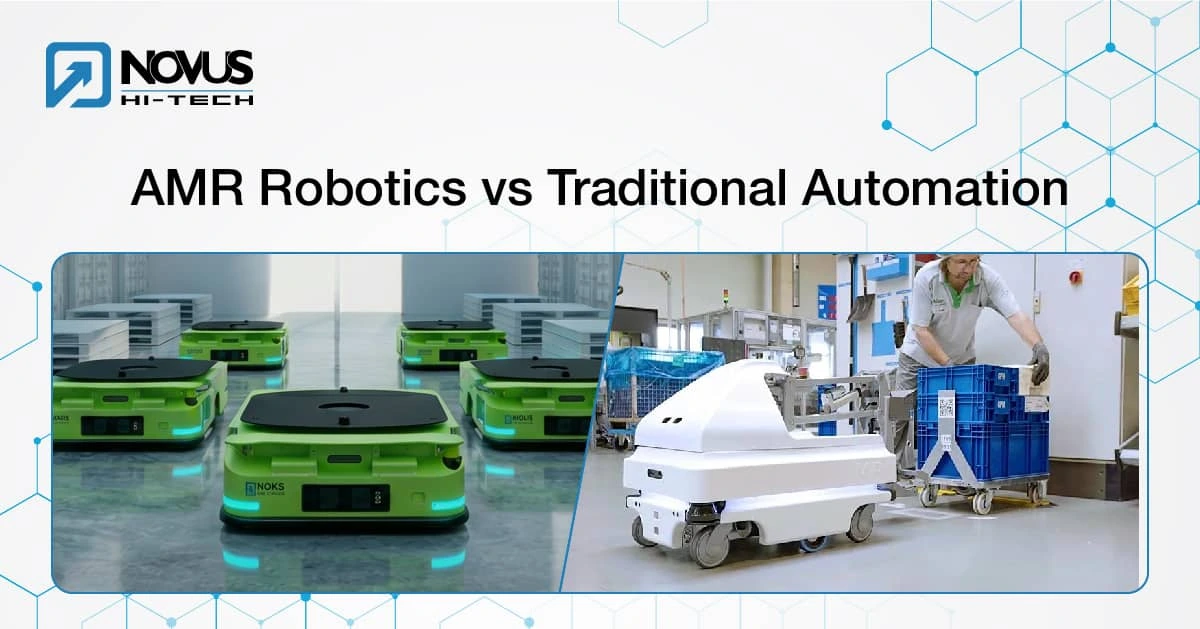
If you’ve worked with traditional automation systems, you already know where the friction lies.
Systems like AGVs depend heavily on fixed infrastructure. They require predefined routes, physical markers, and often significant changes to the layout before they can even be deployed. And once they’re set up, flexibility becomes a challenge. Any change in workflow or layout means reworking the system.
AMRs remove that rigidity. You don’t need to redesign your warehouse to fit the technology. The technology adapts to your warehouse instead. You can deploy faster, scale gradually, and modify operations without disrupting the entire setup.
In reality, this flexibility isn’t just convenient it’s critical. Because modern supply chains don’t stay constant, and your operations shouldn’t be locked into a system that does.
Where AMRs Make the Biggest Impact
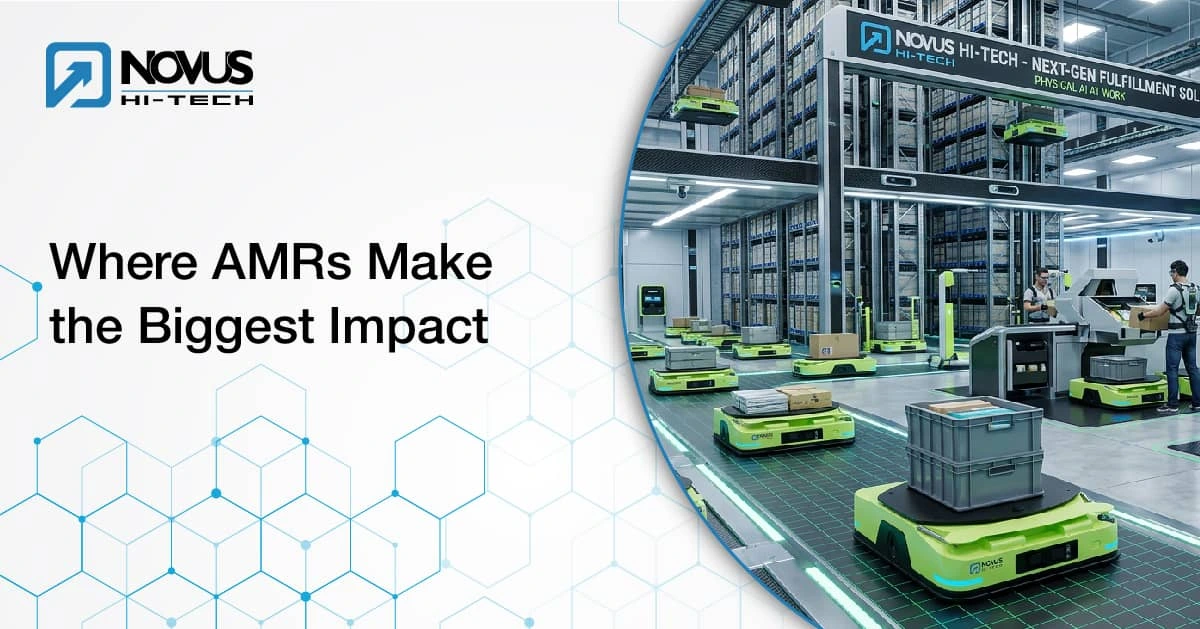
Most warehouse inefficiencies don’t come from major breakdowns. They come from small, repeated delays in movement—materials not arriving on time, workers spending hours walking between zones, or inventory sitting idle because it hasn’t been transported.
This is exactly where AMR robotics makes a noticeable difference.
Material transport becomes seamless, moving goods between zones without manual intervention. Order picking becomes faster with robotic assistance reducing travel time. Inventory flows more predictably across the warehouse, and production lines receive materials exactly when needed instead of waiting for availability.
And here’s something people often overlook—it’s not just about doing things faster. It’s about doing them consistently. AMRs don’t have off days. They don’t get distracted or fatigued. They execute tasks with the same level of accuracy, every single time.
Fix Movement Bottlenecks
Discover how Novus Hi-Tech AMRs streamline internal logistics and unlock higher throughput across your facility.
The Real Business Impact of AMR Robotics
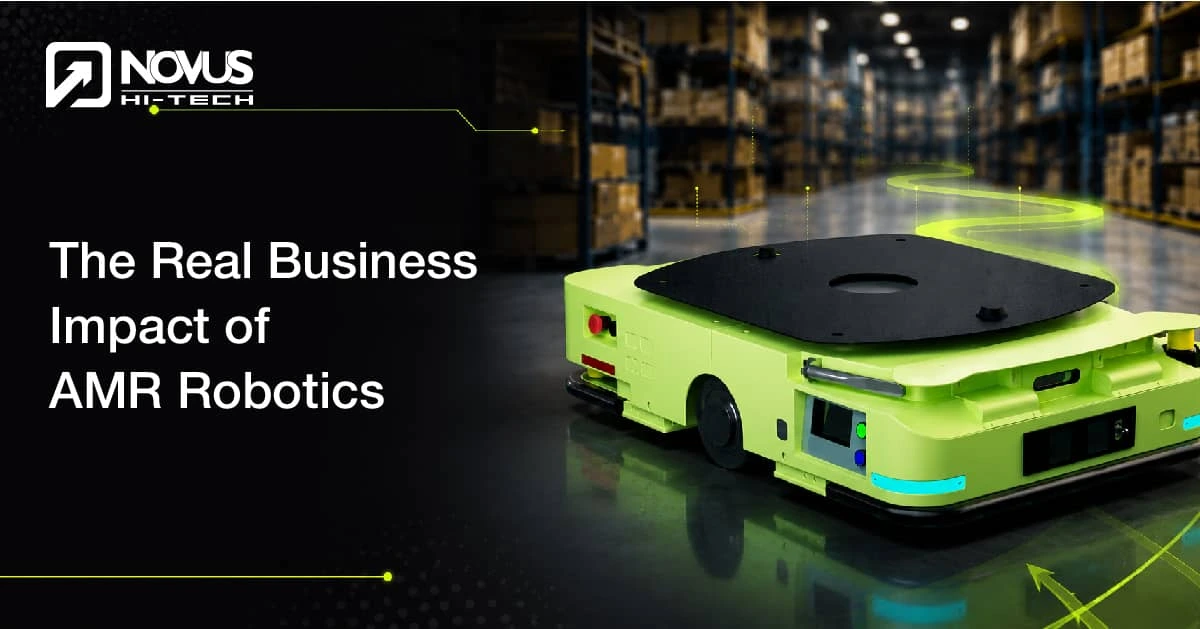
When you zoom out and look at the bigger picture, the impact of AMR robotics goes beyond operational improvements.
Yes, you see faster order fulfillment and reduced reliance on manual labor. You notice fewer errors and smoother workflows. But the real shift is in how your warehouse operates as a system.
It becomes responsive.
Instead of reacting to problems after they occur, your operations start adjusting in real time. Movement aligns with demand. Resources are allocated dynamically. And decision-making happens continuously, not just during planning phases.
That’s when a warehouse stops being a static setup and starts behaving like an intelligent ecosystem.
Challenges You Should Know About
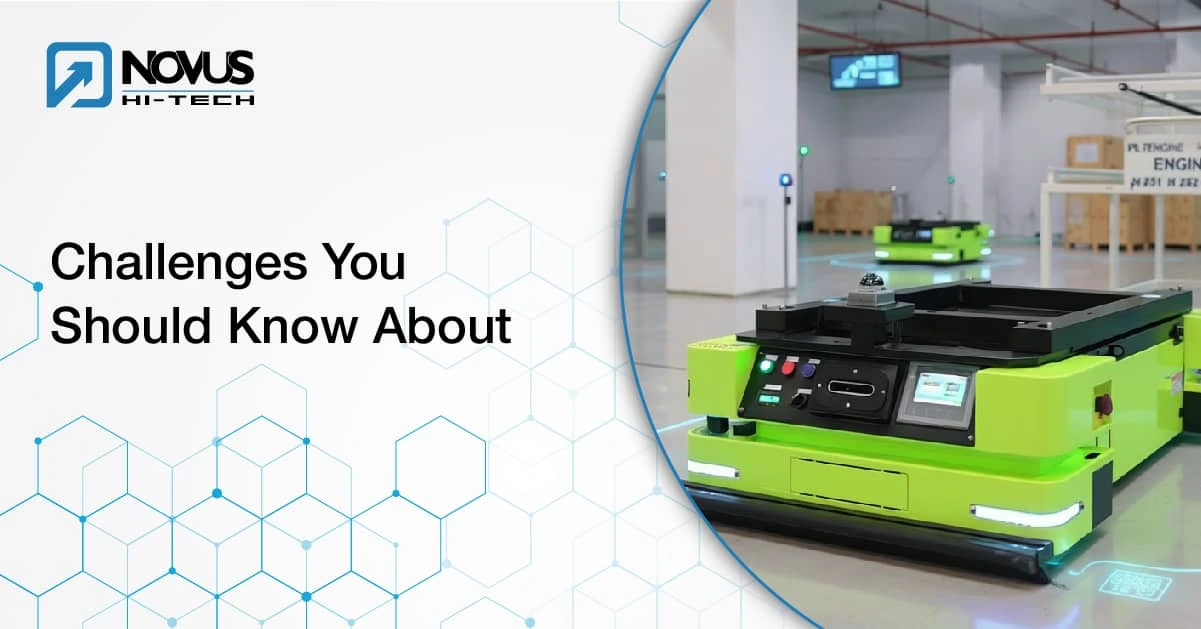
That said, AMRs aren’t a shortcut to instant efficiency. They’re powerful, but only when implemented correctly.
You need clarity on your workflows. You need to understand where movement slows down and how tasks are distributed. Integration with existing systems—like WMS or ERP—also plays a crucial role. Without it, you’re adding technology without unlocking its full value.
The difference between average results and real transformation often comes down to how thoughtfully the system is designed and deployed.
Plan It Right from Day One
Talk to Novus Hi-Tech experts and build a scalable AMR strategy tailored to your warehouse needs.
What the Future Looks Like
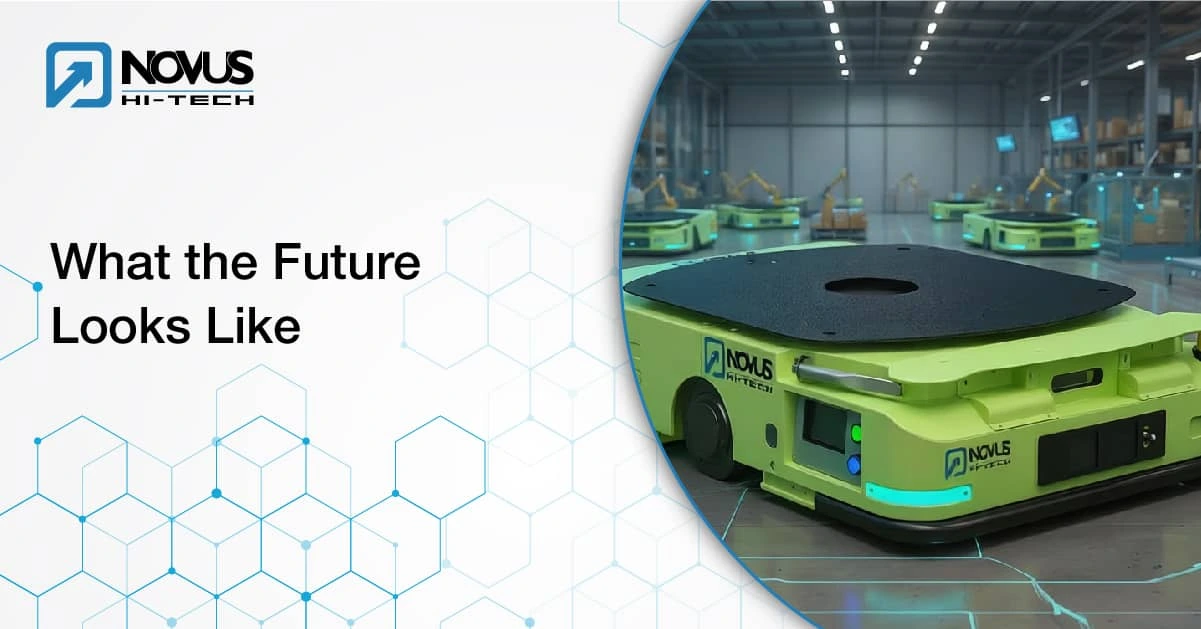
If this feels like a big shift, it is—but it’s only the beginning.
The next phase of autonomous warehouse robots goes beyond navigation and movement. These systems are evolving to integrate with AI-driven analytics, digital twins, and predictive operations. Warehouses will not only execute tasks but also anticipate demand, simulate scenarios, and optimize decisions before issues even arise.
In simple terms, warehouses are moving from being automated to being intelligent.
And that transition is already underway.
Final Thoughts
At its core, AMR robotics is not just about replacing manual movement. It’s about rethinking how movement should work in the first place.
When you remove rigid paths and introduce adaptability, everything changes. Operations become smoother. Scaling becomes easier. And your warehouse gains the ability to respond to real-world challenges without slowing down.
That’s the real advantage. Not just automation but flexibility backed by intelligence.
Ready to Upgrade Your Warehouse?
Explore Novus Hi-Tech’s autonomous warehouse robots and take the next step toward faster, safer, and smarter operations.