
When safety becomes the bottleneck
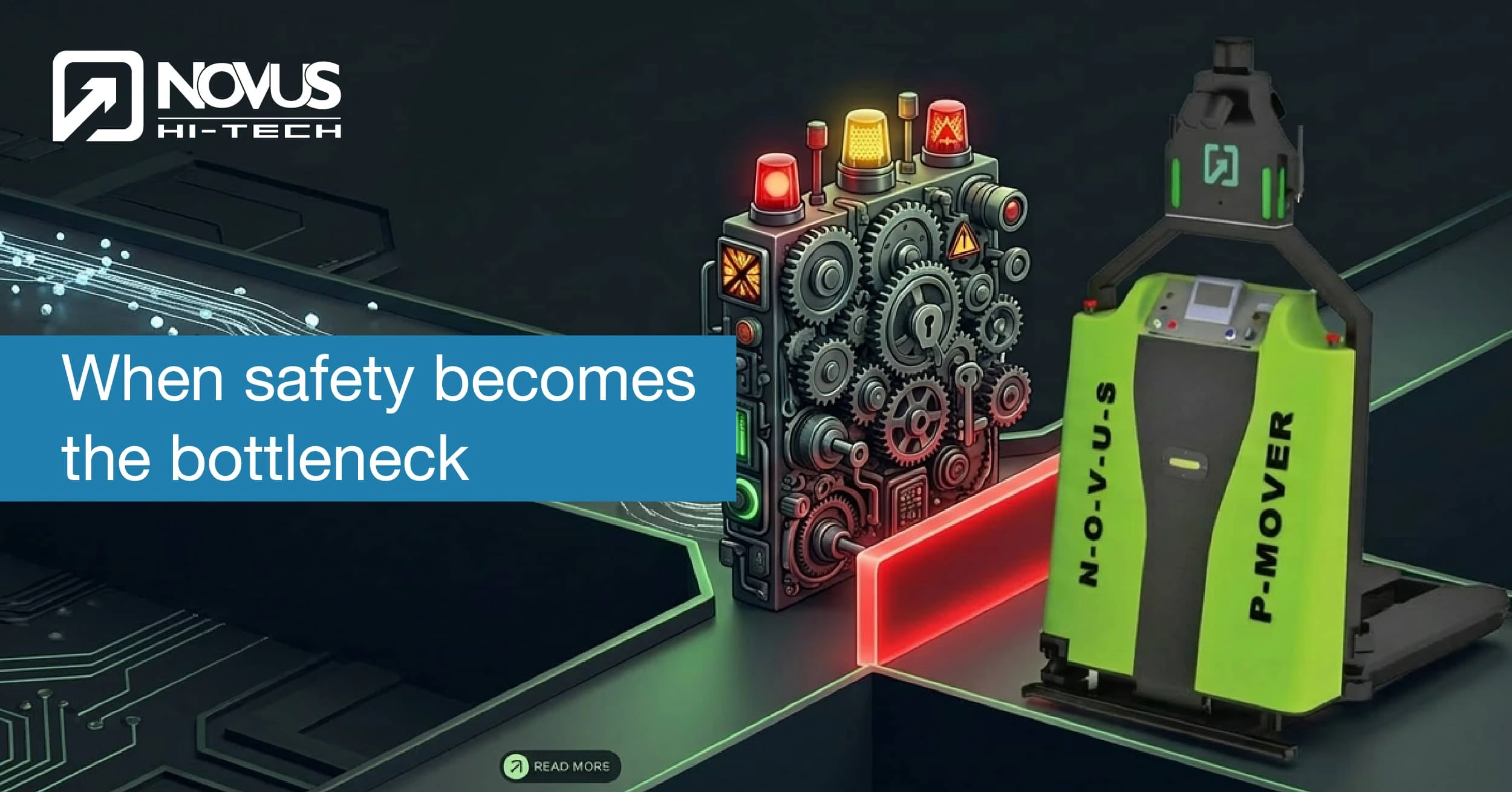
As you stroll through a busy warehouse or production floor at peak operational hours, you will easily see many instances where everything happens very quickly: there are fast moving forklifts, workers with fast moving loads, machines that run nonstop, alarms beeping, and employees shouting directions out to one another from across the floor.
It’s efficient.
It’s productive.
But it’s also one of the most accident-prone environments in any industry.
For years, companies tried to solve safety problems with more training, stricter rules, and better supervision. Those things help, of course — but they don’t eliminate risk. Fatigue still sets in. Visibility is still limited. Repetitive tasks still cause injuries. And in high-pressure environments, even experienced workers can make mistakes.
That’s exactly why the conversation around automation has changed.
Robots are no longer just about speed or cost savings.
They’re becoming a critical part of how companies improve safety in warehouses and industrial workplaces.
From Autonomous Mobile Robots (AMRs) to AI-driven monitoring systems, modern robotics is helping organizations reduce accidents, control risk, and build workplaces that are not only faster — but safer.
In this article, we’ll look at how robots are improving safety, why robots in warehouse safety are becoming standard, and how intelligent robotics solutions are redefining what safe industrial operations look like today.
Want to see how robotics improves safety in real facilities?
▶ Watch Novus smart robotics solutions in action
Why safety is still a major challenge in warehouses and industrial workplaces
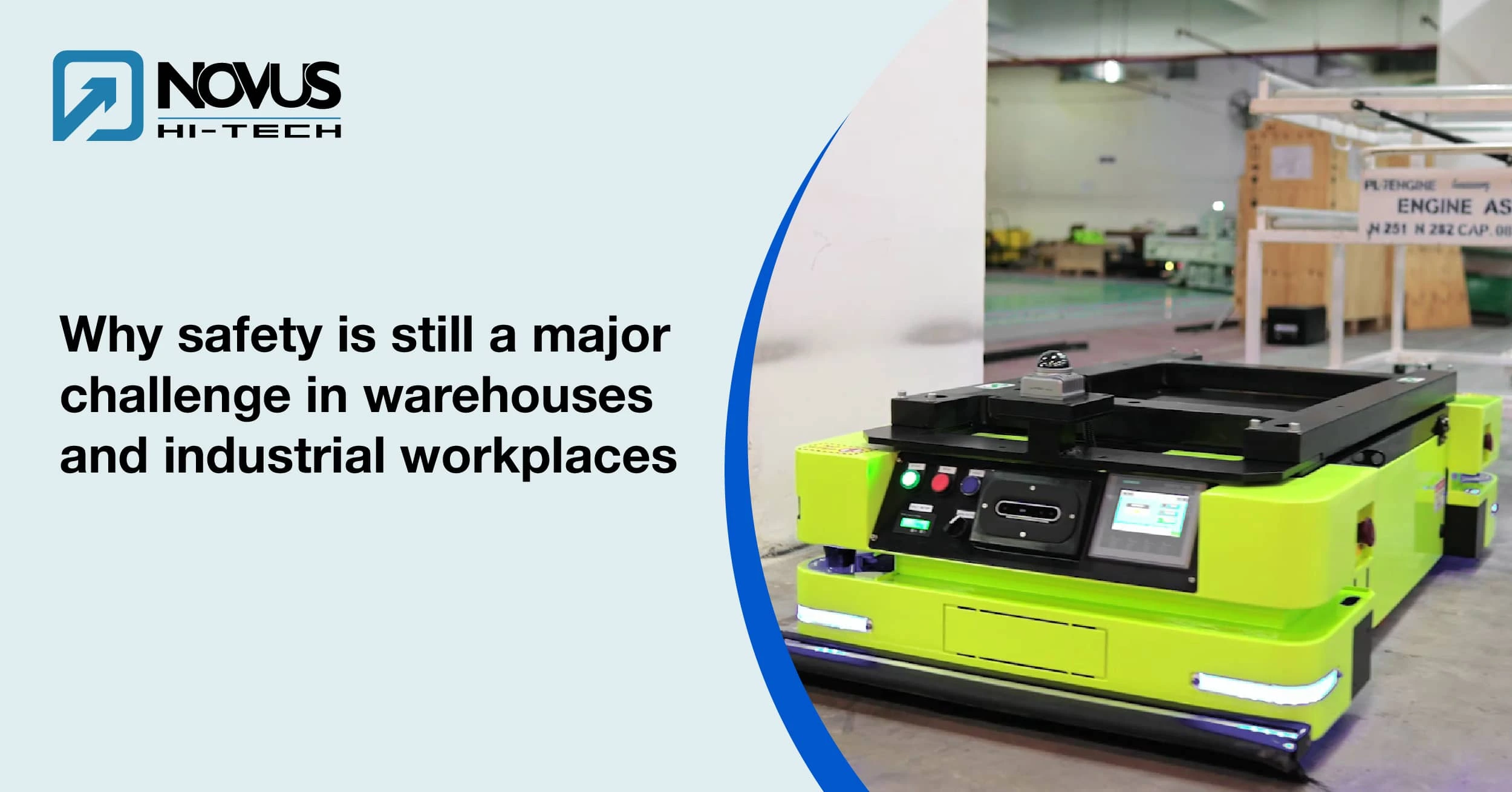
Even with strict compliance rules, industrial environments remain one of the most difficult places to keep completely safe.
Warehouses, factories, logistics hubs, and manufacturing plants are built for movement. Materials are constantly being transported, machines are operating at high speed, and workers often perform physically demanding tasks for long hours. When you combine heavy equipment, tight timelines, and human fatigue, the margin for error becomes very small.
Most workplace incidents don’t happen because people ignore safety.
They happen because the environment itself makes safety difficult to maintain.
Common risks include:
- Manual lifting injuries from repetitive work
- Forklift collisions in crowded aisles
- Slips and falls in high-traffic zones
- Fatigue after long shifts
- Limited visibility around machinery
- Human error during repetitive tasks
For decades, companies tried to solve these problems by adding more rules. But rules alone don’t remove risk. They only manage it.
This is why more organizations are turning to robotics in industrial workplaces — not just to increase efficiency, but to reduce exposure to dangerous situations altogether.
Looking to reduce accidents without slowing operations?
▶ Explore Novus robotics solutions built for safer workplaces
How robots are improving safety in warehouses
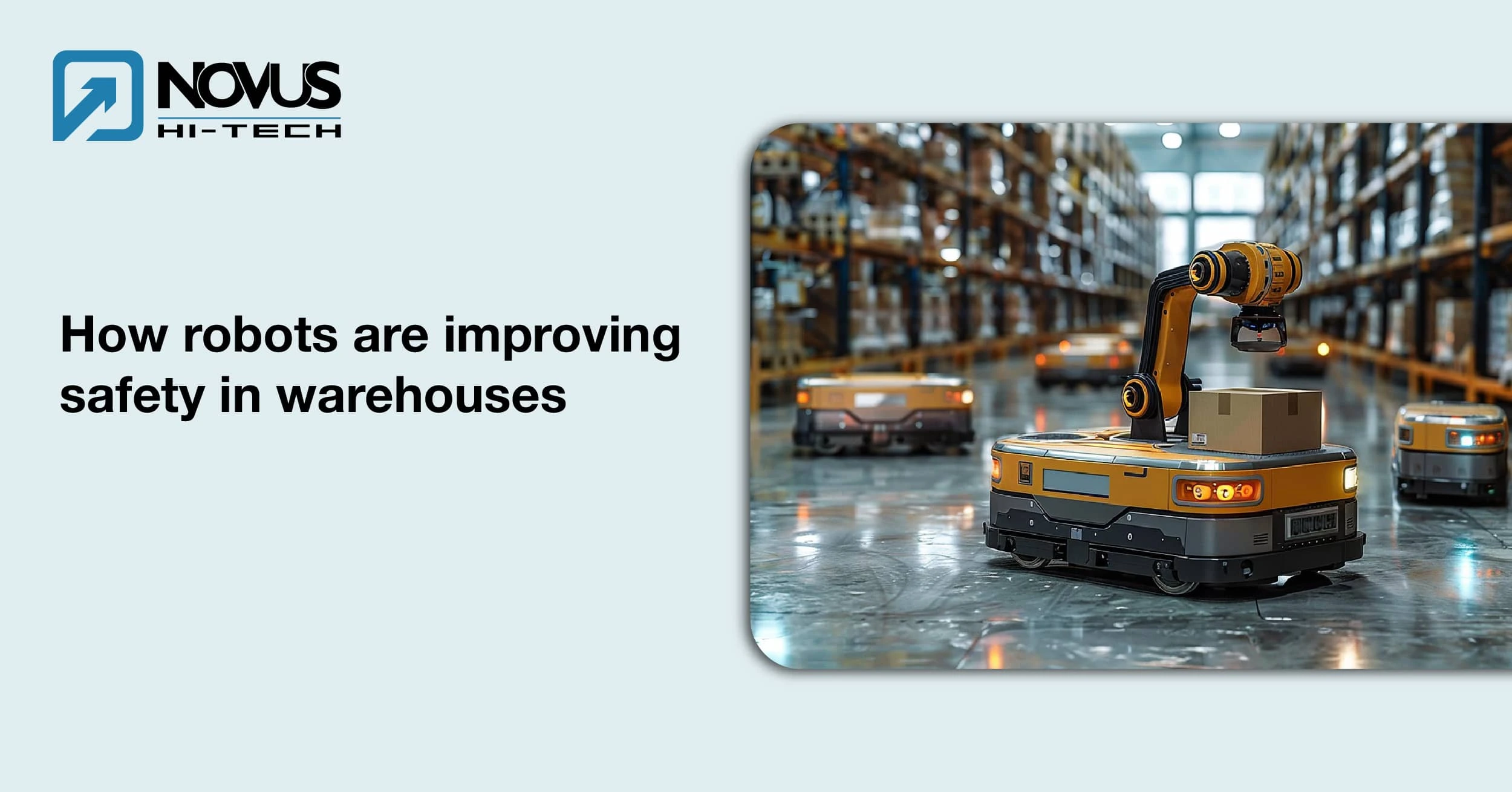
When people think about warehouse robots, they usually think about productivity — faster picking, quicker transport, lower labor costs.
But the biggest impact often shows up somewhere else.
Safety.
Robots don’t get tired.
They don’t rush to finish a shift.
They don’t lose focus after repeating the same task 500 times.
That consistency makes them extremely valuable in environments where small mistakes can lead to serious injuries.
Today, companies are using robotics to reduce physical strain, prevent collisions, and monitor risk in ways that weren’t possible before. Instead of relying entirely on people to stay alert, automation takes over the most repetitive and dangerous parts of the job.
That shift alone is changing how warehouses are designed.
See how robotics reduces risk in real warehouse environments
▶ Watch Novus automation systems in action
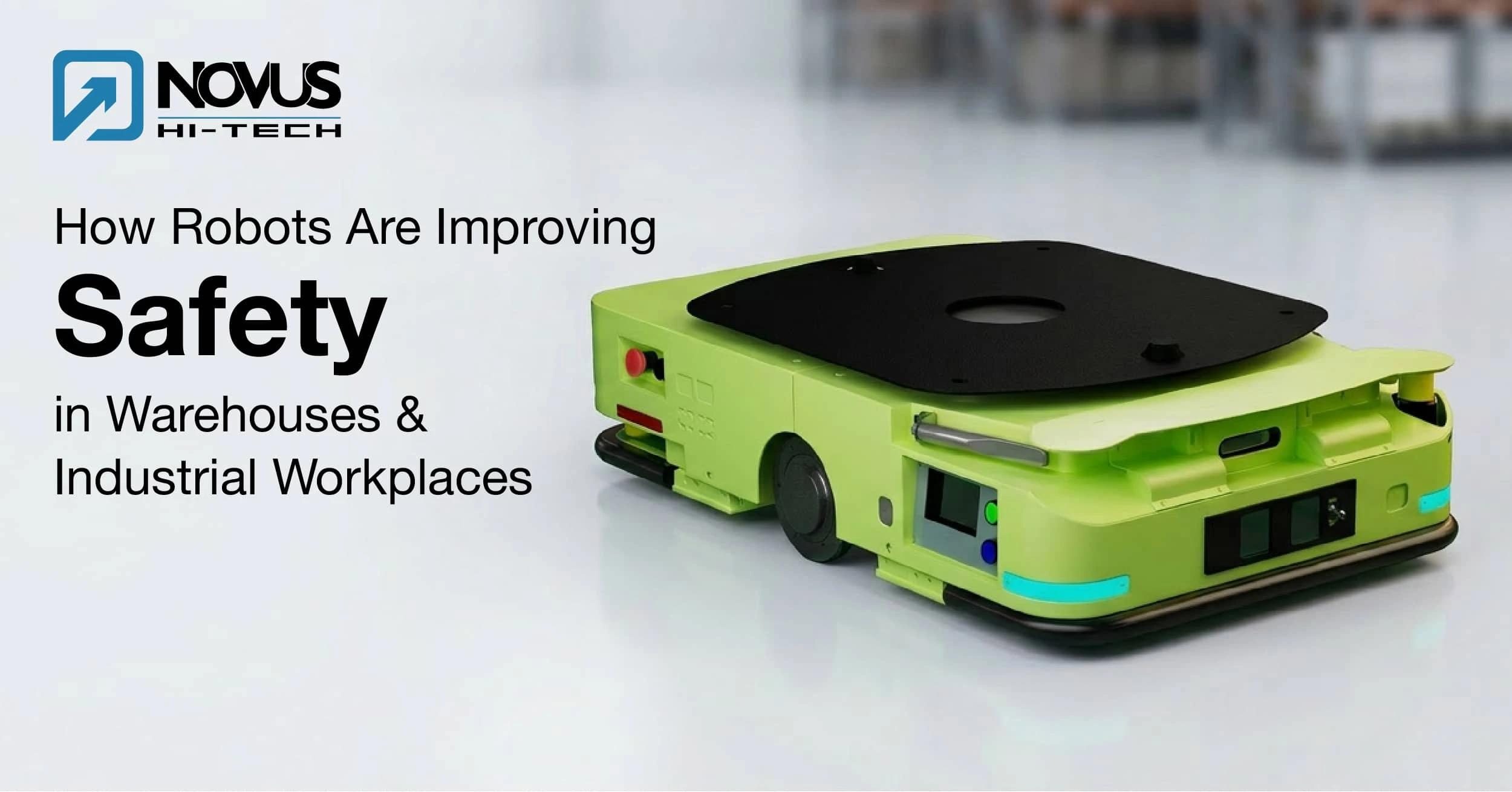
How Autonomous Mobile Robots (AMRs) are redefining warehouse automation safety
Not all robots improve safety.
Older automation systems were rigid, expensive, and difficult to adapt. They required fixed tracks, cages, or isolated work zones, which often created new safety challenges instead of solving existing ones.
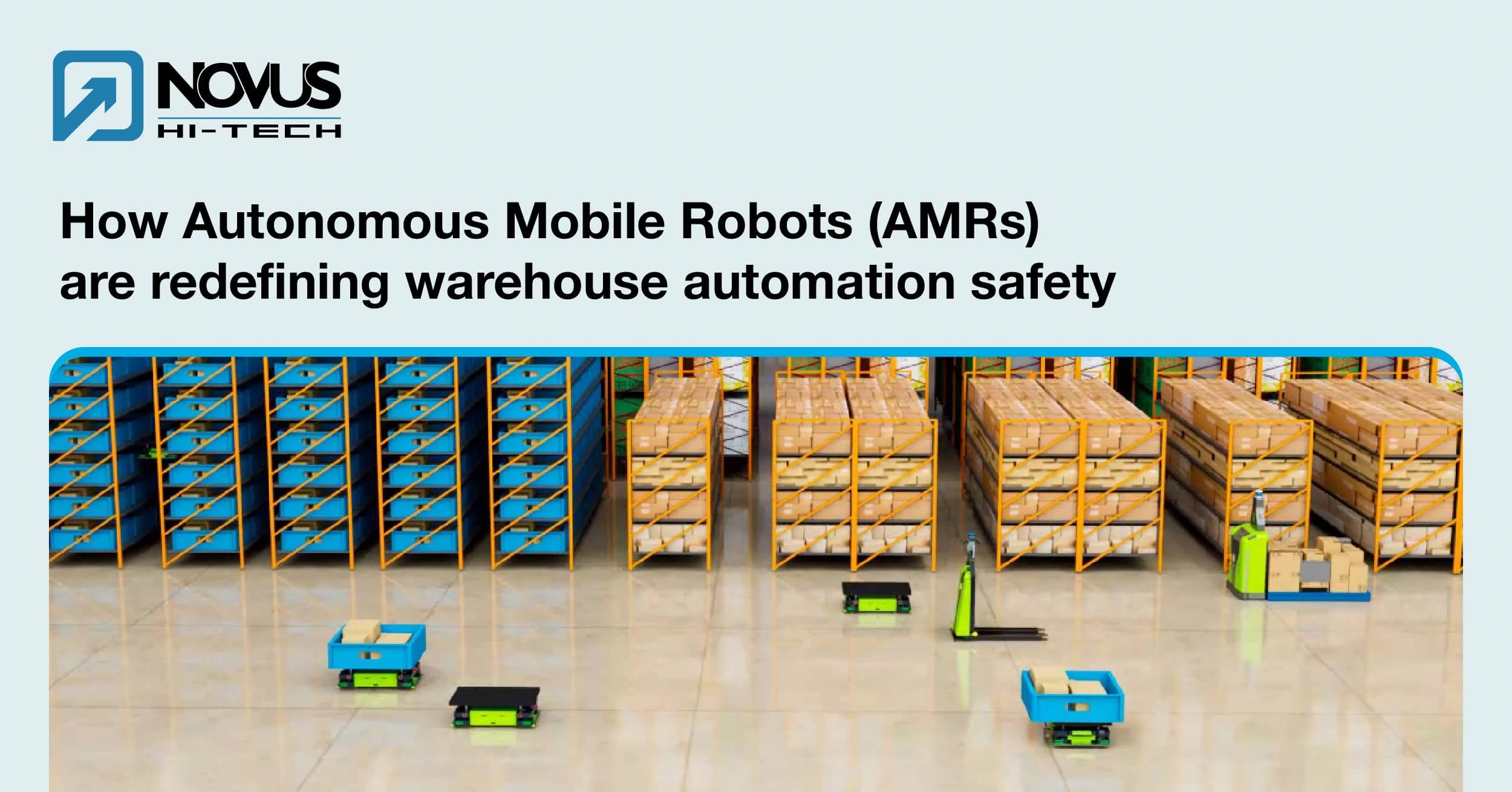
Modern Autonomous Mobile Robots (AMRs) are different.
They don’t follow fixed paths.
They don’t rely on manual control.
They don’t need physical barriers to operate safely.
Instead, AMRs use sensors, cameras, and real-time mapping to understand their surroundings. They slow down near people, stop when obstacles appear, and adjust routes automatically. In busy warehouses, that flexibility makes a huge difference.
Because the robot adapts to the environment — not the other way around.
This allows humans and robots to work in the same space without increasing risk, which is one of the reasons warehouse automation safety systems based on AMRs are growing so quickly across logistics, manufacturing, and distribution.
Companies adopting AMRs are not just automating transport.
They’re redesigning how safe operations should work.
Curious how AMRs work on real shop floors?
Download our brochure now
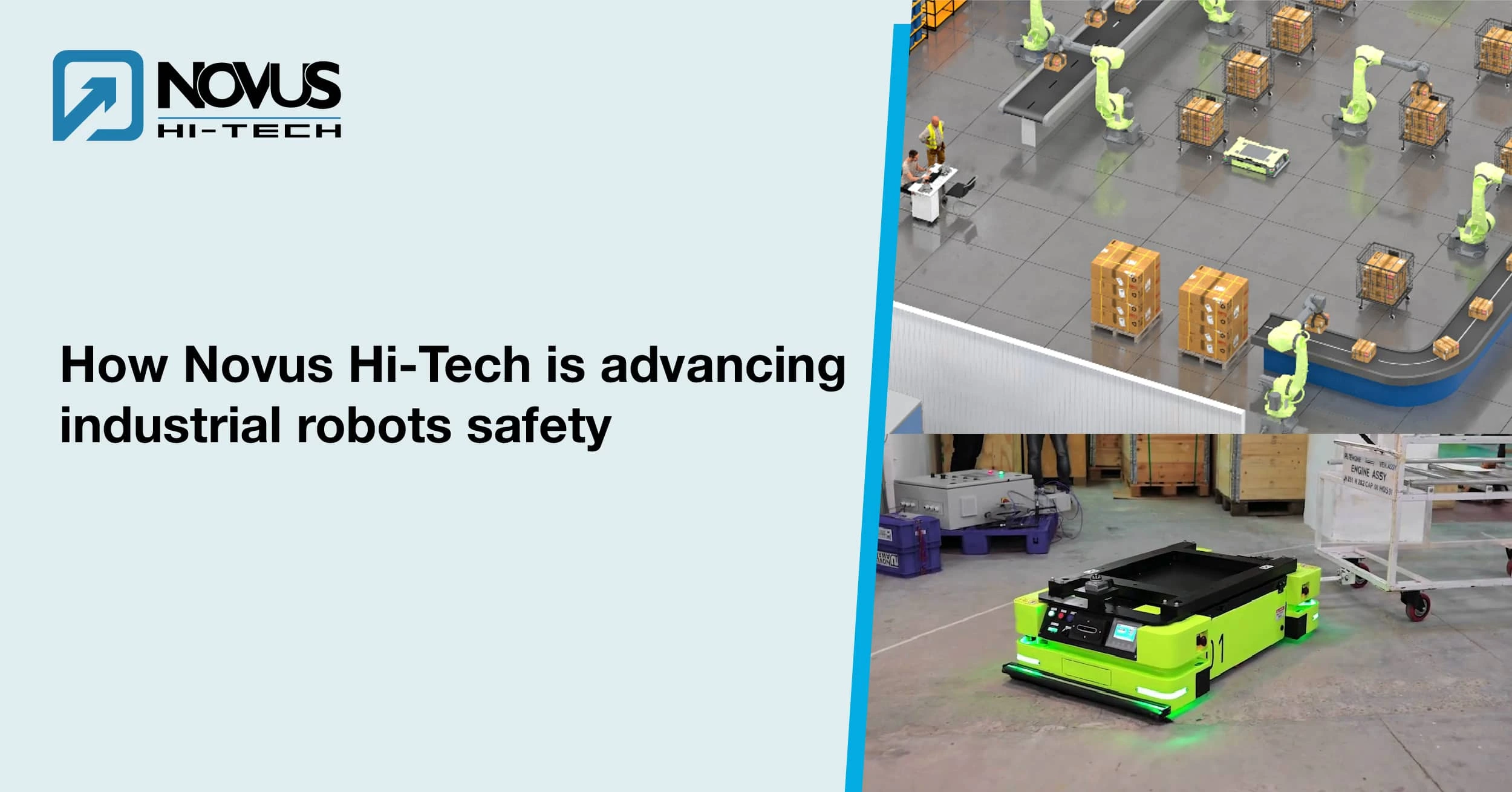
How Novus Hi-Tech is advancing industrial robots safety
In theory, any robot can move materials.
In reality, building robotics for real industrial environments is far more complex.
Warehouses are unpredictable.
Factories are crowded.
Production floors change constantly.
That’s why safety-focused robotics needs more than hardware — it needs intelligence.
Novus Hi-Tech develops 360° AI robotics and automation solutions designed for environments where reliability and safety cannot be compromised. Their systems combine sensors, AI navigation, real-time analytics, and automation control to create workflows where risk is minimized by design.
And in industries where one incident can stop an entire operation, that difference matters more than speed alone.
Conclusion
Historically, people were relied upon to act safely in the workplace.
However, training and discipline will always require human attention; today’s industrial workplaces are far too dynamic, complicated and overwhelming to expect people alone will be able to pay attention and act safely.
Technological developments in robots have significantly altered the landscape of safety in the workplace through automation of repetitive, physically demanding and/or hazardous tasks to allow human workers to perform those jobs that require judgment, skill and awareness while robots provide them with real-time status updates regarding movement speed, and further suggestions about how to avoid incidents or accidents.
The result isn’t just better productivity.
It’s a safer workplace.
As automation continues to evolve, companies that invest in robotics today are not only improving efficiency — they are building operations that can scale without increasing risk.
And in warehouses and industrial workplaces, that may be the biggest advantage of all.
Ready to make your workplace safer with robotics?
Request a demo from our robotics experts
marketing@novushitech.com