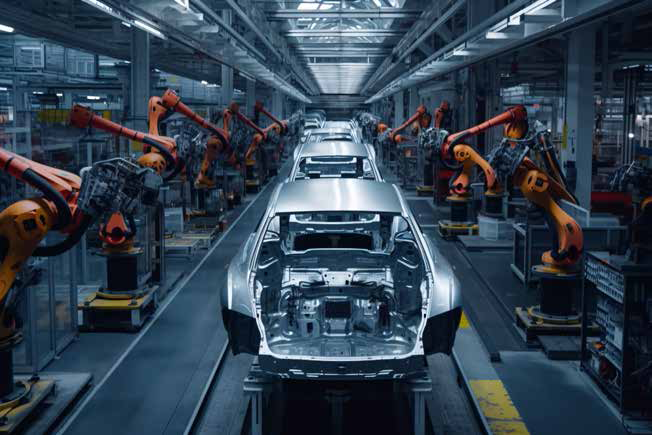


If you’re evaluating automation for your warehouse or factory, chances are the term AGV robot has already come up in conversations. And rightly so. Automated Guided Vehicles have been around long enough to prove their value—but only when chosen and deployed correctly.
This guide is written for buyers, operations heads, and engineering teams who want clarity, not buzzwords. We’ll break down where AGV robots fit best, how to select the right solution for a warehouse or factory, and share easy programming hacks that simplify deployment—especially if this is your first AGV robot project.
No jargon. No hype. Just practical insights you can actually use.
What Is an AGV Robot
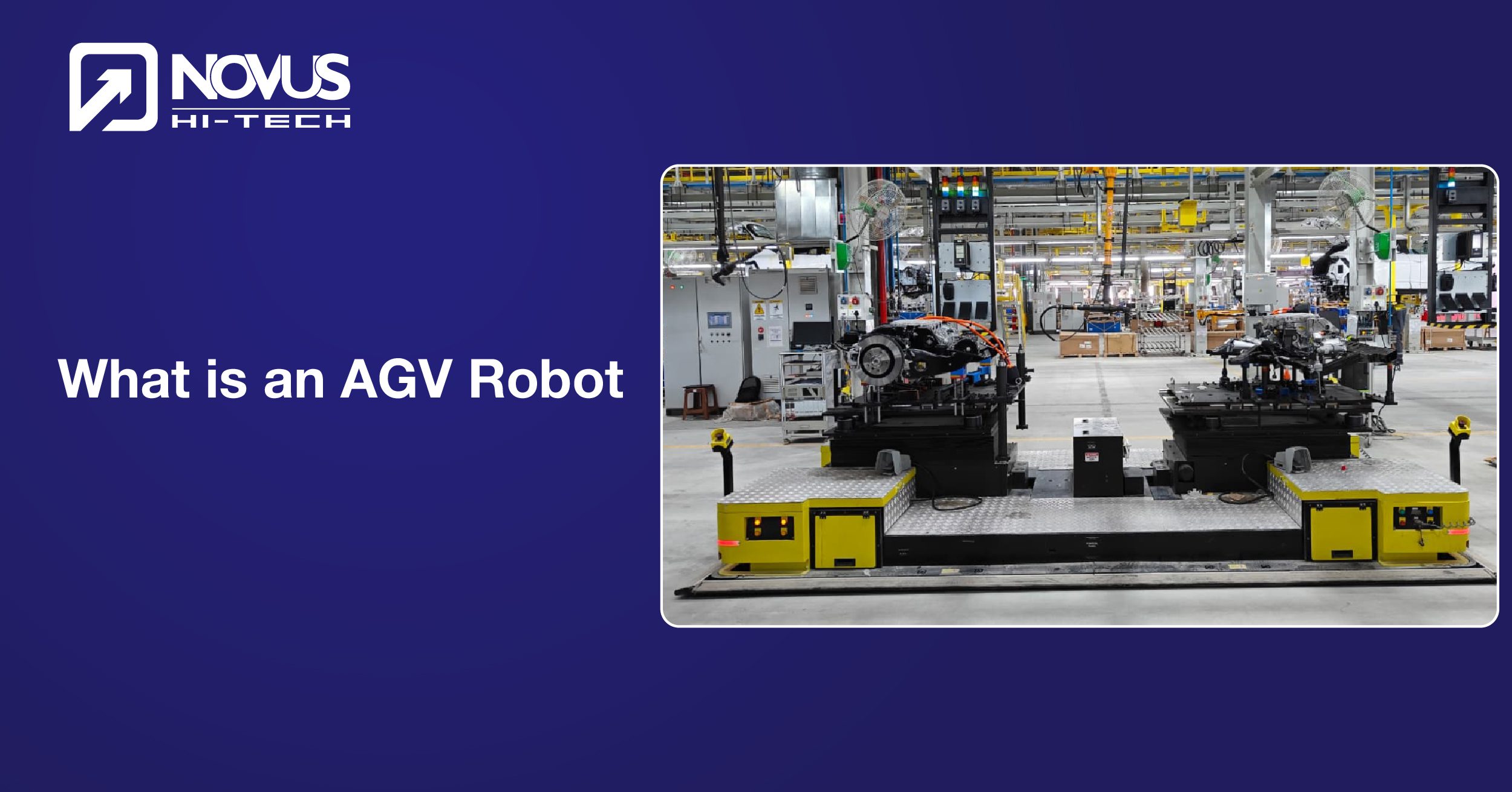
An AGV robot (Automated Guided Vehicle) is a driverless vehicle designed to move materials along predefined routes. Unlike flexible autonomous systems, AGVs operate in structured environments where paths, layouts, and workflows remain largely fixed.
AGVs are not meant to “think on the fly.” Instead, they excel at doing the same task repeatedly—accurately, safely, and without fatigue. That’s exactly why they continue to be a preferred choice for predictable, high-volume material movement.
AGV Robots Are Ideal for Structured Environments
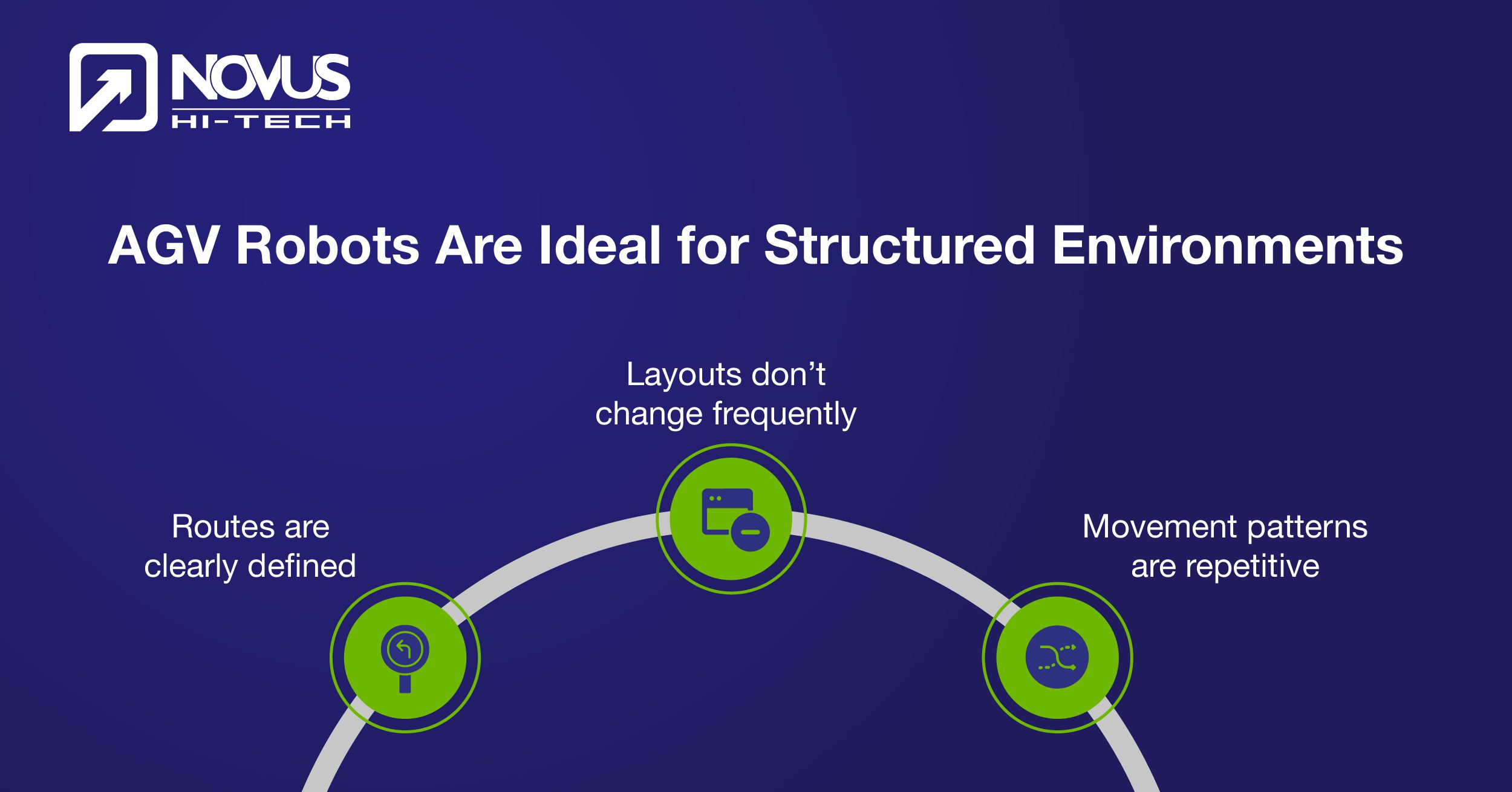
AGV robots work best when:
- Routes are clearly defined
- Layouts don’t change frequently
- Movement patterns are repetitive
If your operations rely on consistent workflows rather than constant reconfiguration, an AGV robot offers reliability that’s hard to beat.
This is also why many buyers still prefer AGVs over newer alternatives for long-term stability.
AGV Robot Use Cases in Warehouses and Factories
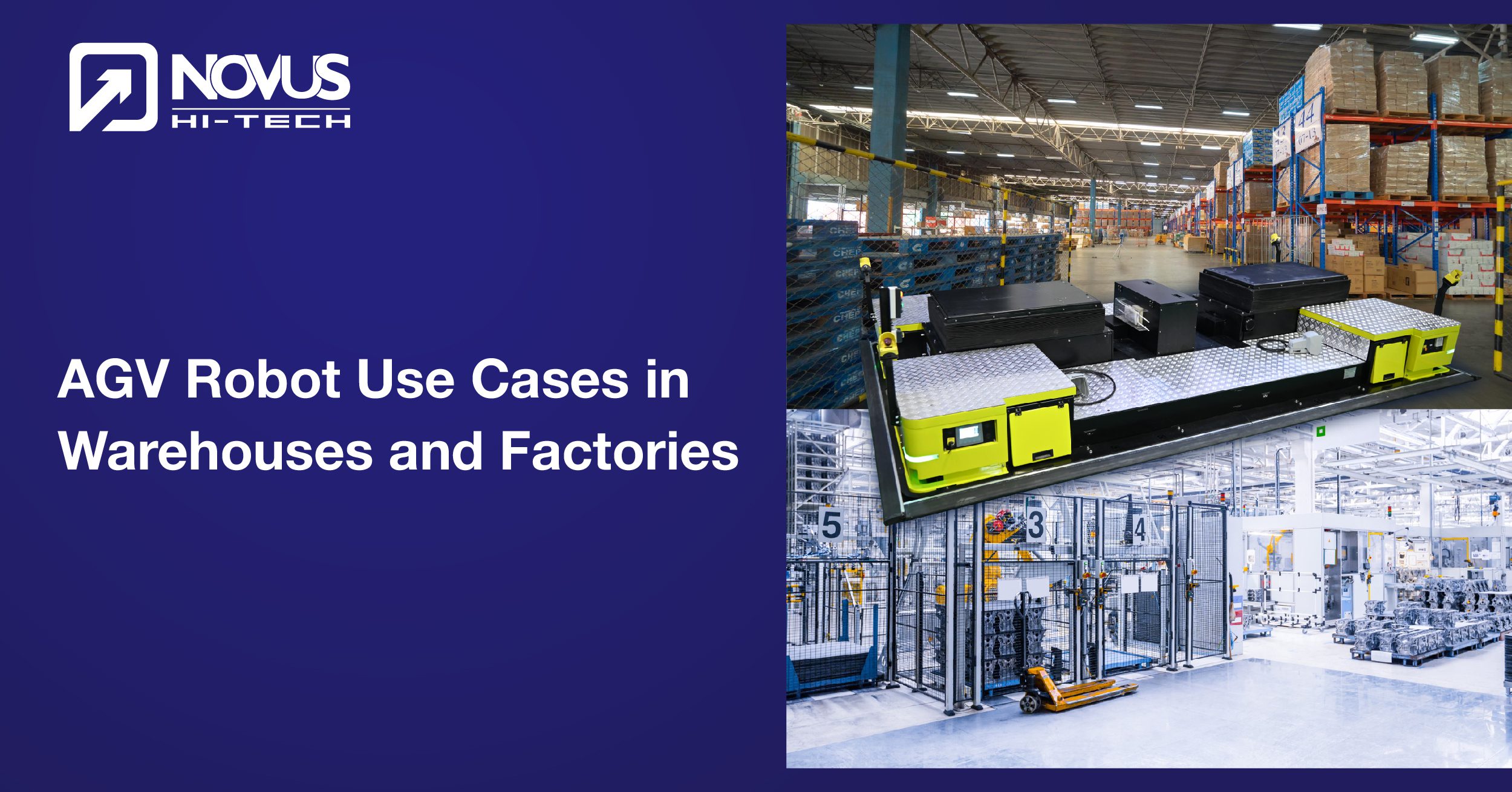
AGV Robot in Warehouse Material Movement
In an agv robot warehouse, AGVs are commonly used for:
- Pallet movement between storage and dispatch
- Line feeding in picking or packing zones
- Transport between inbound docks and storage areas
Because warehouse routes are usually fixed, AGVs integrate seamlessly without disrupting existing processes.
Common AGV Robot Project Applications
Typical agv robot project applications include:
- Automotive and component manufacturing
- FMCG production lines
- Pharmaceutical and chemical plants
- Heavy engineering and metal fabrication units
Anywhere materials need to move reliably from Point A to Point B—AGVs tend to deliver consistent results.
How to Choose the Right AGV Robot
Choosing the right AGV robot is less about technology and more about fit.
Matching Load Type, Weight, and Throughput Needs
Start with basics:
- What is the load type—pallets, bins, trolleys?
- What is the maximum weight?
- How many trips per shift are required?
Over-specifying increases cost. Under-specifying creates bottlenecks. The goal is balance.
Layout Stability and Fixed Route Requirements
AGVs thrive in stable environments. If your layout is likely to remain unchanged for years, an AGV robot makes economic and operational sense.
This is a crucial consideration during the agv robot design phase.
Key Considerations in AGV Robot Design
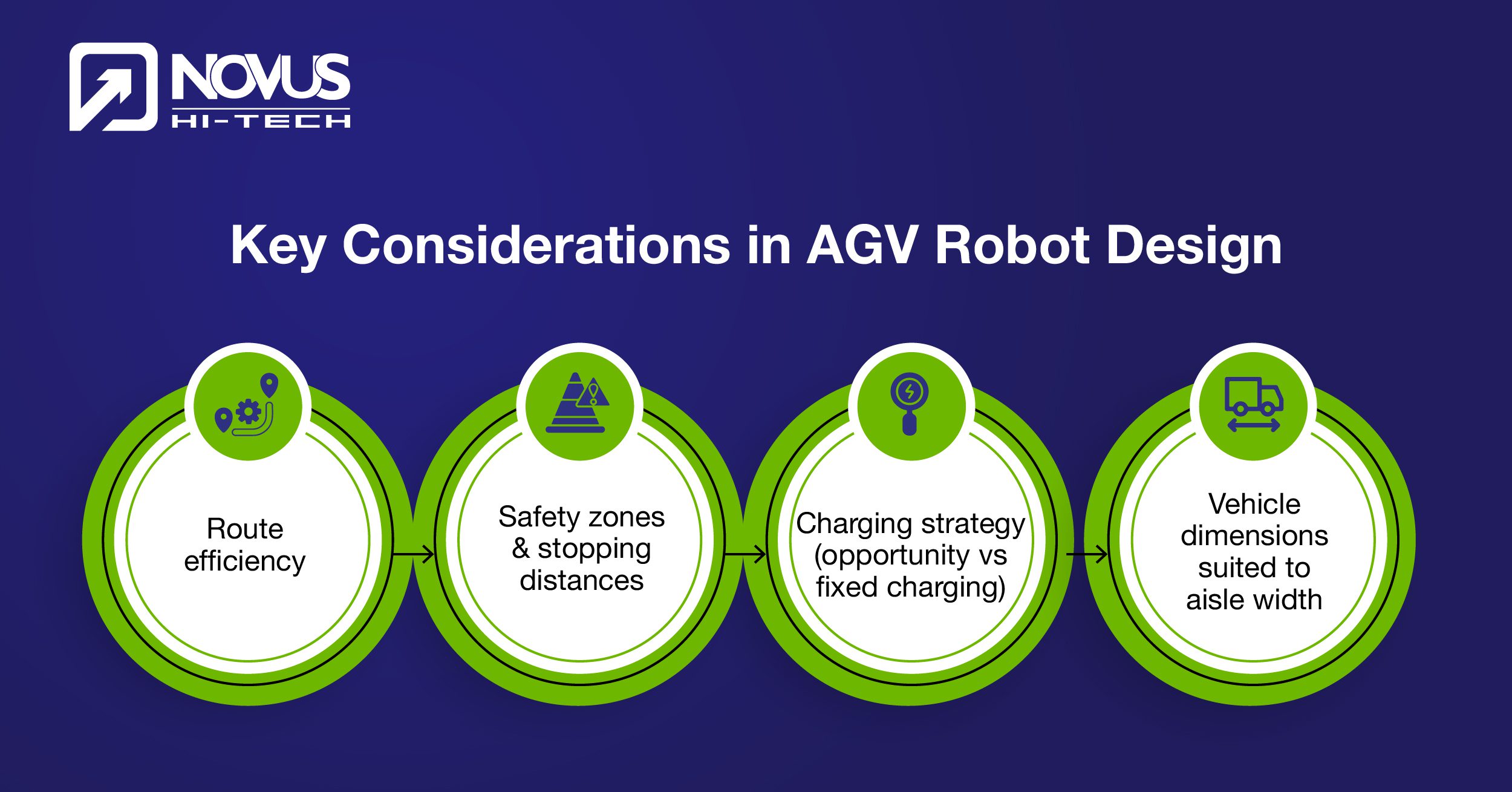
A good agv robot design focuses on:
- Route efficiency
- Safety zones and stopping distances
- Charging strategy (opportunity vs fixed charging)
- Vehicle dimensions suited to aisle width
Design decisions made early often determine whether the system feels seamless—or constantly “in the way.”
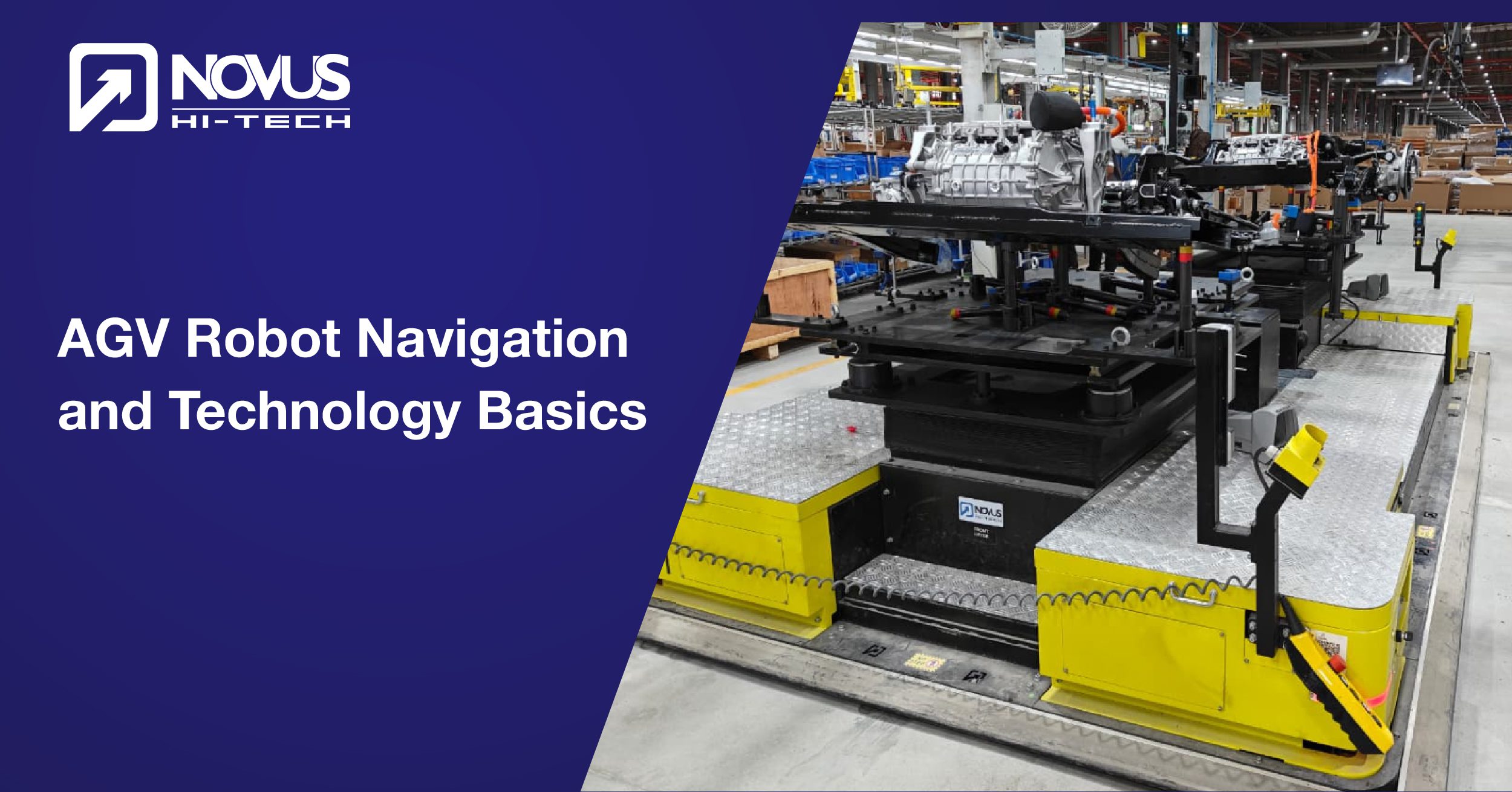
Most AGV robots rely on one of the following:
- Magnetic tape: Simple, cost-effective, ideal for fixed routes
- QR codes: Easy to modify routes without major hardware changes
- Laser navigation: Higher precision for complex layouts
Each method has trade-offs. There’s no universal “best”—only what suits your operation.
If flexibility is minimal and cost control is key, simpler navigation works perfectly. If your environment demands precision and scalability, advanced navigation may justify the investment.
AGV Robot Programming Basics for Buyers
You don’t need to be a programmer to manage AGVs—but understanding the basics helps.
How AGV Robots Are Programmed
Most AGV robots are programmed through:
- Route definition tools
- Task sequencing software
- Basic logic rules (stop, go, load, unload)
Modern systems use graphical interfaces, not complex code.
What Buyers Should Know About AGV Software
Look for software that allows:
- Easy route changes
- Visual monitoring dashboards
- Integration with WMS or MES
Software usability often matters more than hardware specs.
Easy Programming Hacks for Faster AGV Deployment
Predefined Routes and Quick Path Mapping
Start small. Define core routes first. Expand gradually once performance is validated. This reduces errors and speeds up deployment.
Simulation and Testing Before Go-Live
Simulating routes before physical deployment helps identify blind spots, congestion points, and safety issues early—when fixes are cheaper.
Simple Reconfiguration Without Operational Downtime
Choose systems that allow route updates without shutting down operations. This flexibility becomes invaluable over time.
Cost, ROI, and Planning an AGV Robot Project
Key Cost Components of an AGV Robot
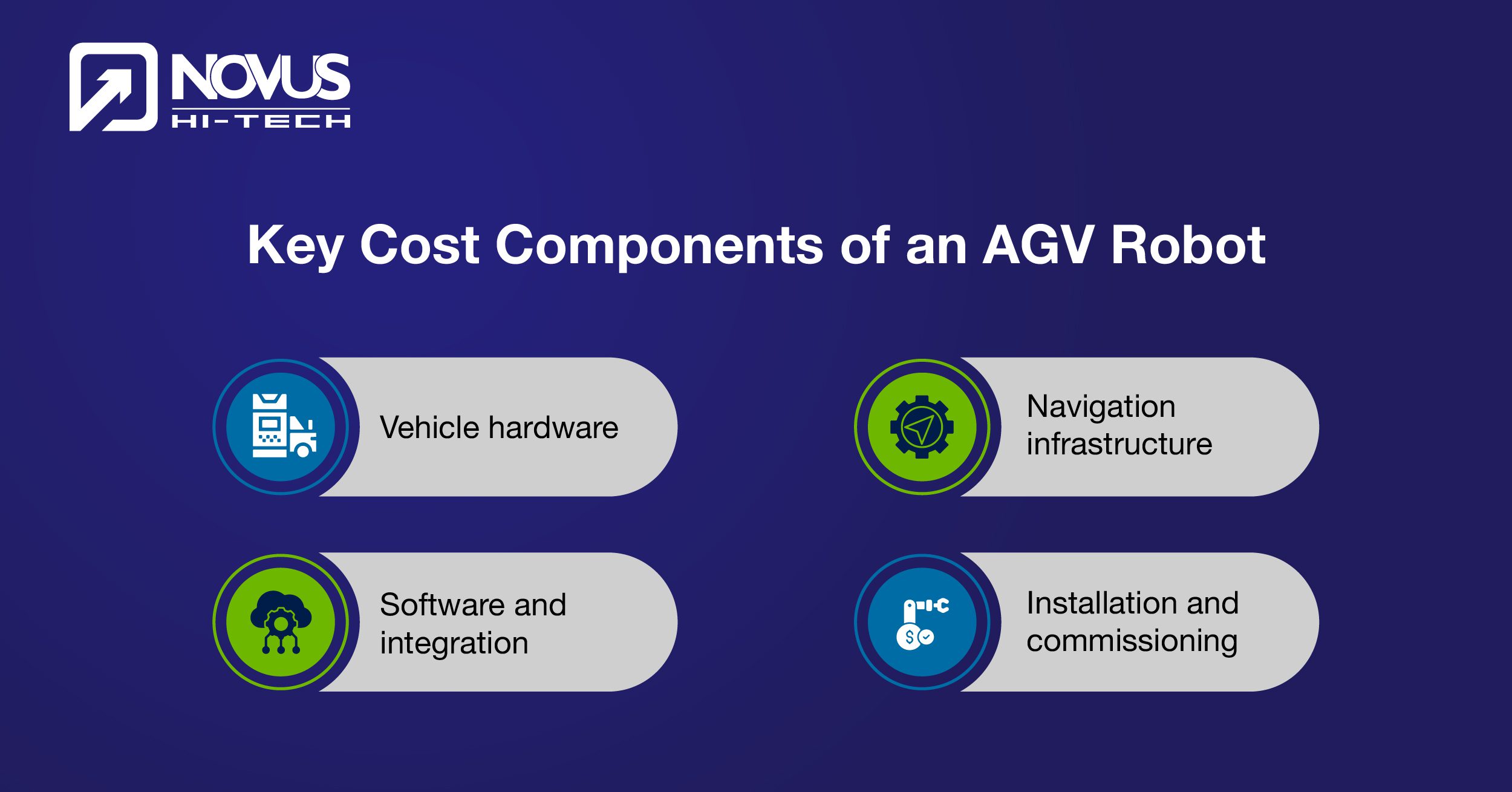
Costs typically include:
- Vehicle hardware
- Navigation infrastructure
- Software and integration
- Installation and commissioning
Understanding these upfront avoids surprises later.
Calculating ROI for an AGV Robot Warehouse
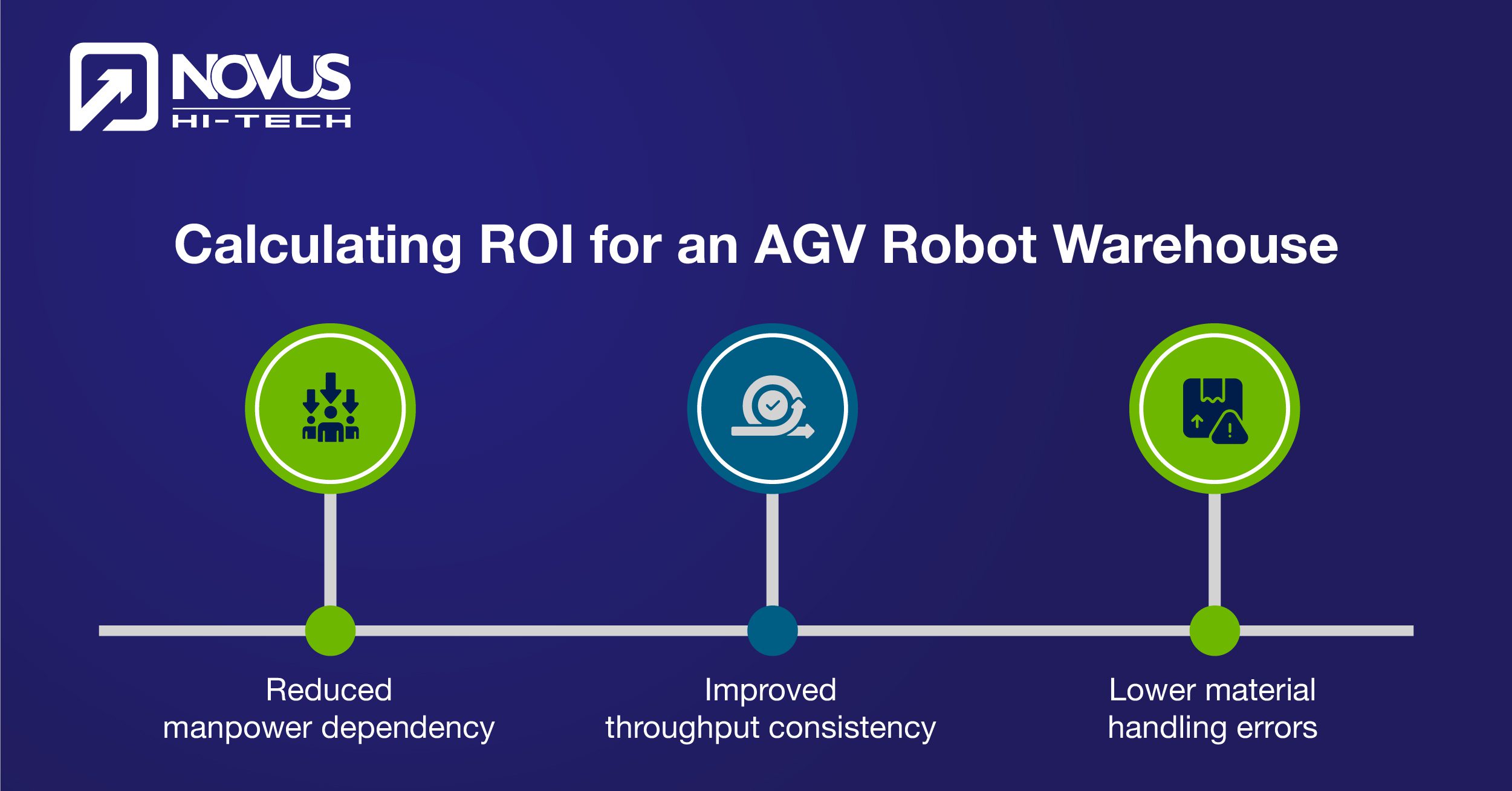
ROI usually comes from:
- Reduced manpower dependency
- Improved throughput consistency
- Lower material handling errors
Most AGV systems achieve payback within 18–36 months when planned correctly.
Common Mistakes That Increase Project Costs
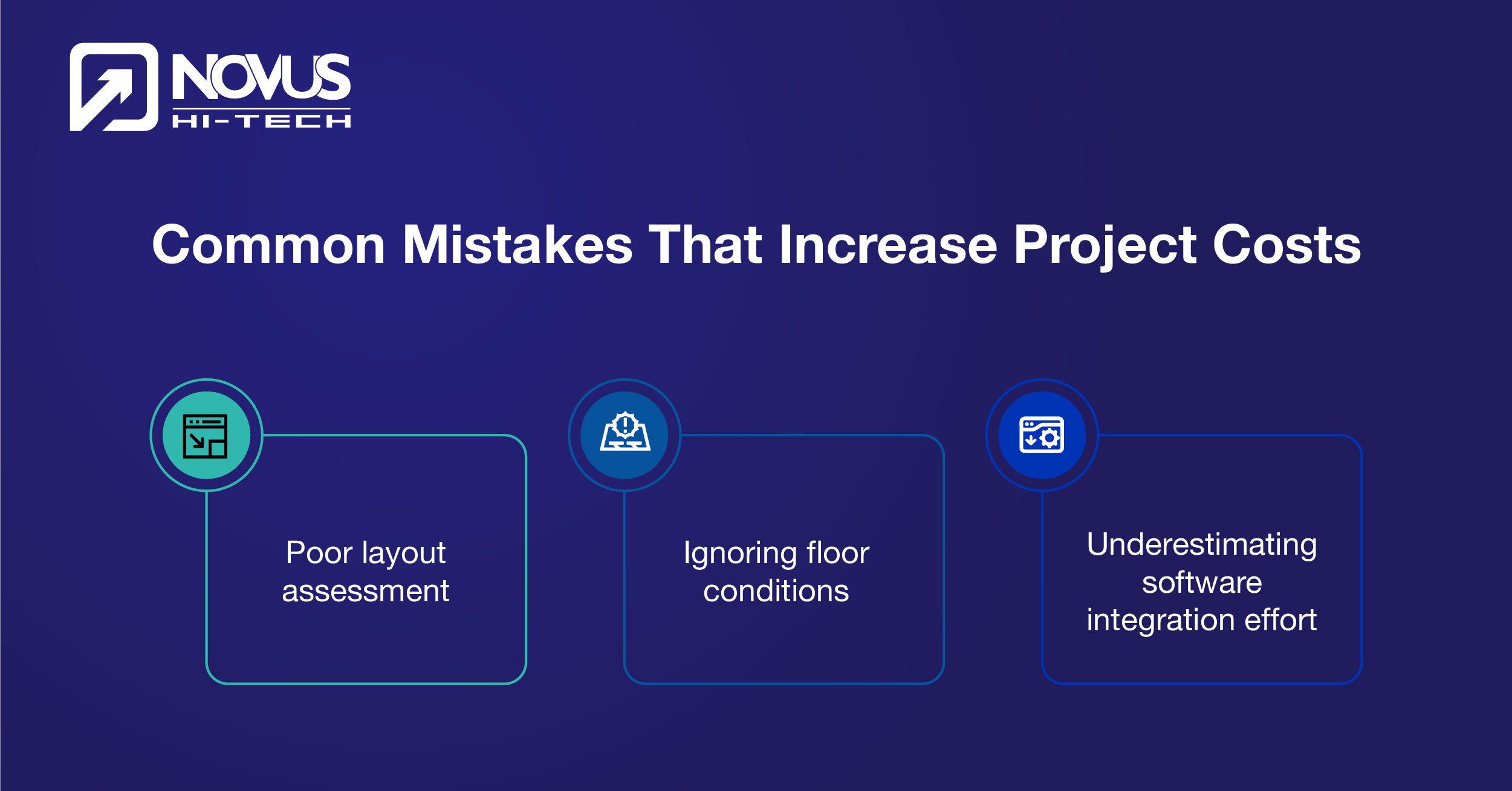
- Poor layout assessment
- Ignoring floor conditions
- Underestimating software integration effort
These mistakes are common—but avoidable.
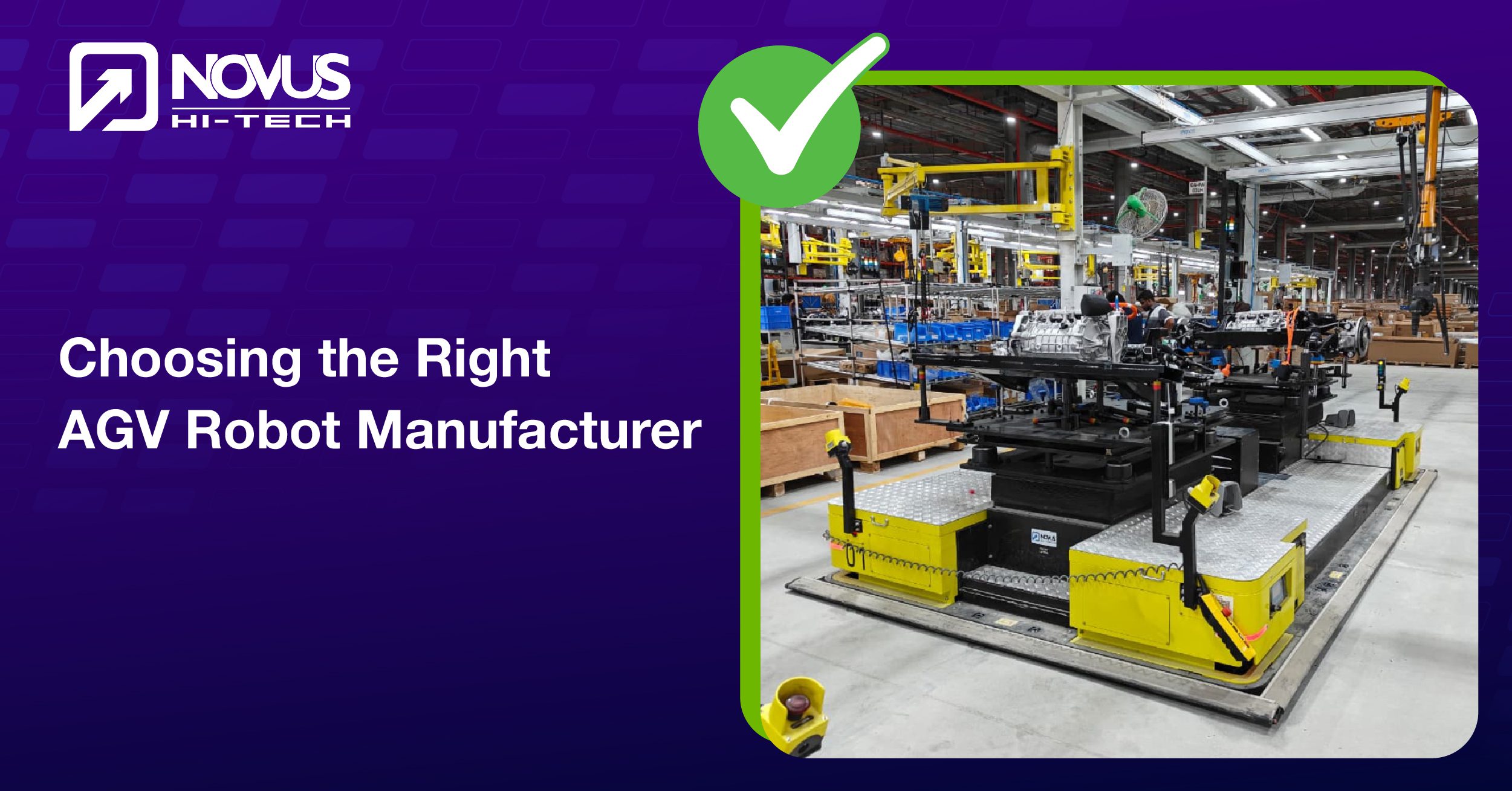
Choosing the Right AGV Robot Manufacturer
What to Look for in an AGV Robot Manufacturer
A reliable agv robot manufacturer offers:
- Proven installations
- Customisation capability
- Transparent performance benchmarks
Price alone should never be the deciding factor.
Importance of Engineering Support and Service
Strong post-installation support often matters more than the initial sale. Downtime is expensive—responsiveness isn’t optional.
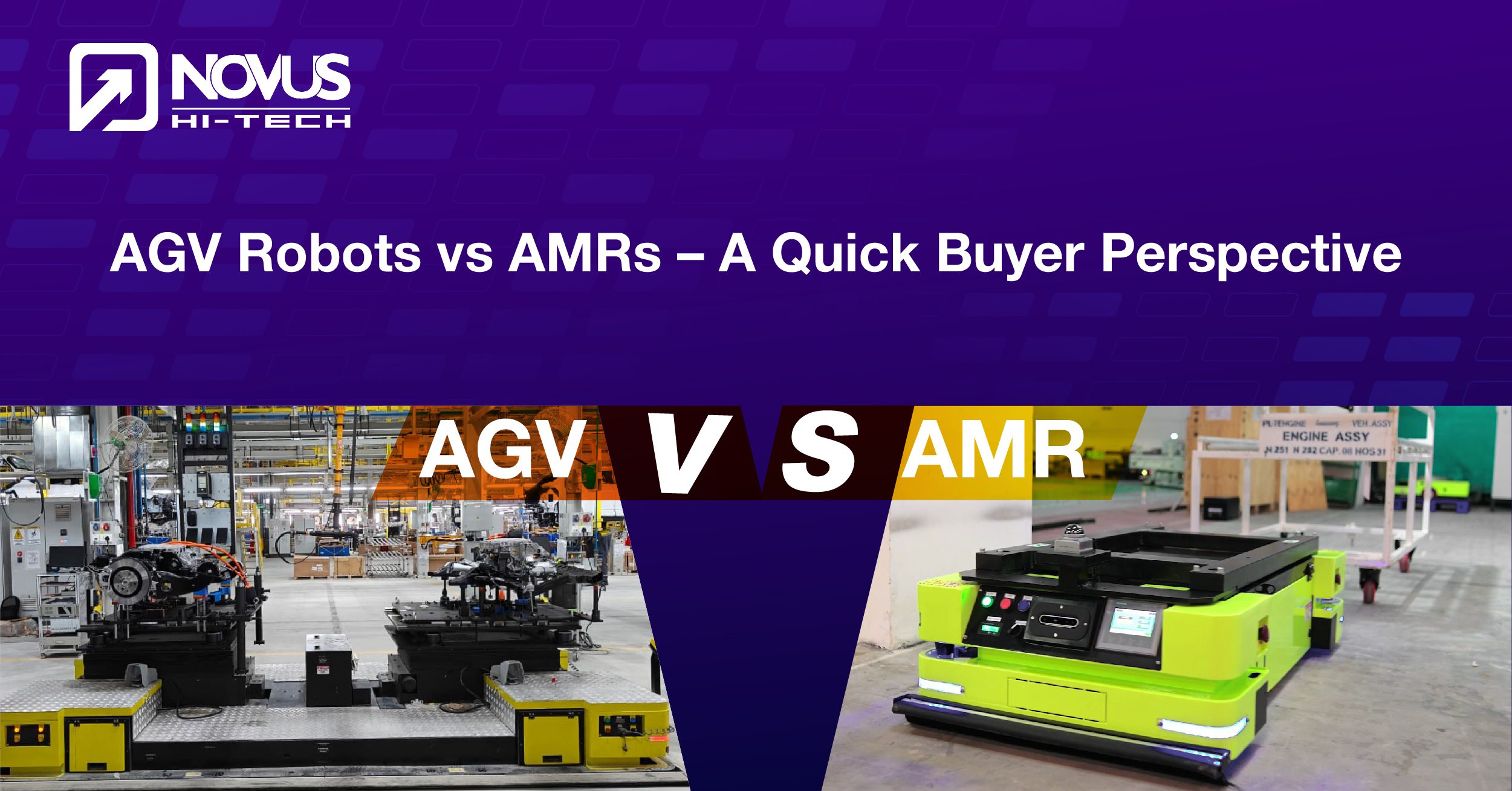
AGV Robots vs AMRs – A Quick Buyer Perspective
When AGV Robots Make More Sense Than AMRs
AGV robots are the better choice when:
- Routes are fixed
- Predictability is critical
- Cost control is a priority
AMRs offer flexibility, but AGVs deliver unmatched consistency in structured environments.
Final Buyer Checklist for AGV Robots
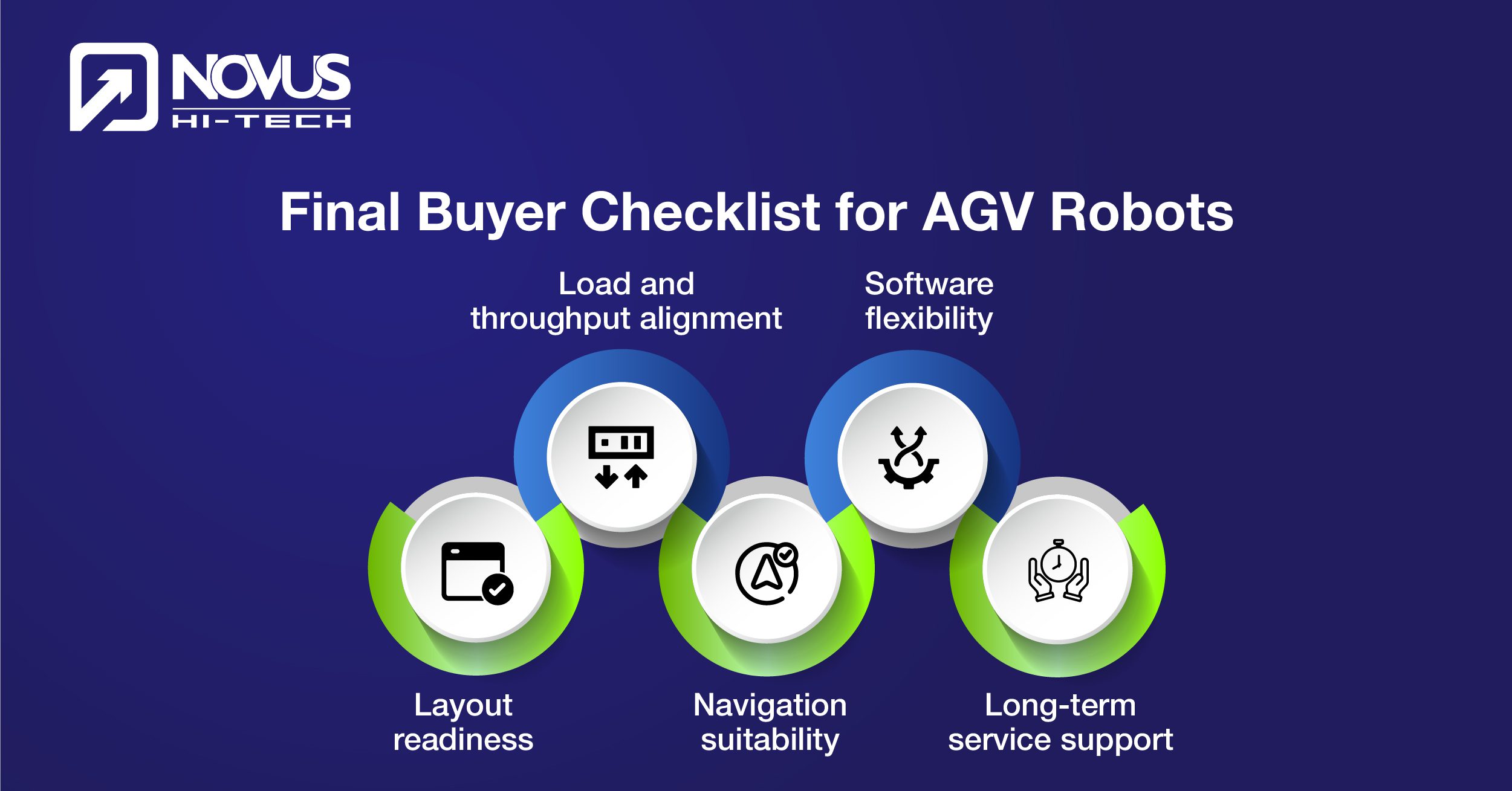
Before investing, confirm:
- Layout readiness
- Load and throughput alignment
- Navigation suitability
- Software flexibility
- Long-term service support
Experienced system integrators like Novus Hi-Tech help validate these decisions early, reducing execution risk and ensuring smoother real-world deployment—especially for first-time AGV projects.