

The main advantages of a driver monitoring system (DMS) are fewer fatigue and distraction crashes, lower accident costs, and driver behaviour you can measure and coach. A DMS uses an in-cab camera and AI to watch the driver’s eyes, head position and attention. It alerts the driver the moment drowsiness or distraction appears, and it flags the event to the fleet team.
For fleet operators, that means risk is caught while the vehicle is moving, not reconstructed after a crash. For drivers, it means a warning before a microsleep turns into an incident.
This guide covers how a driver monitoring system works, the DMS advantages that matter most to fleets, and what to look for when choosing a system for Indian and GCC operations.
What Is a Driver Monitoring System (DMS)?
A driver monitoring system is an in-cab safety technology that tracks the driver’s alertness and attention in real time. An infrared camera faces the driver, and AI models read facial and head signals to detect drowsiness, distraction and unsafe behaviour. When the system detects risk, it warns the driver instantly and records the event for the fleet team to review.
How Does a Driver Monitoring System Work?
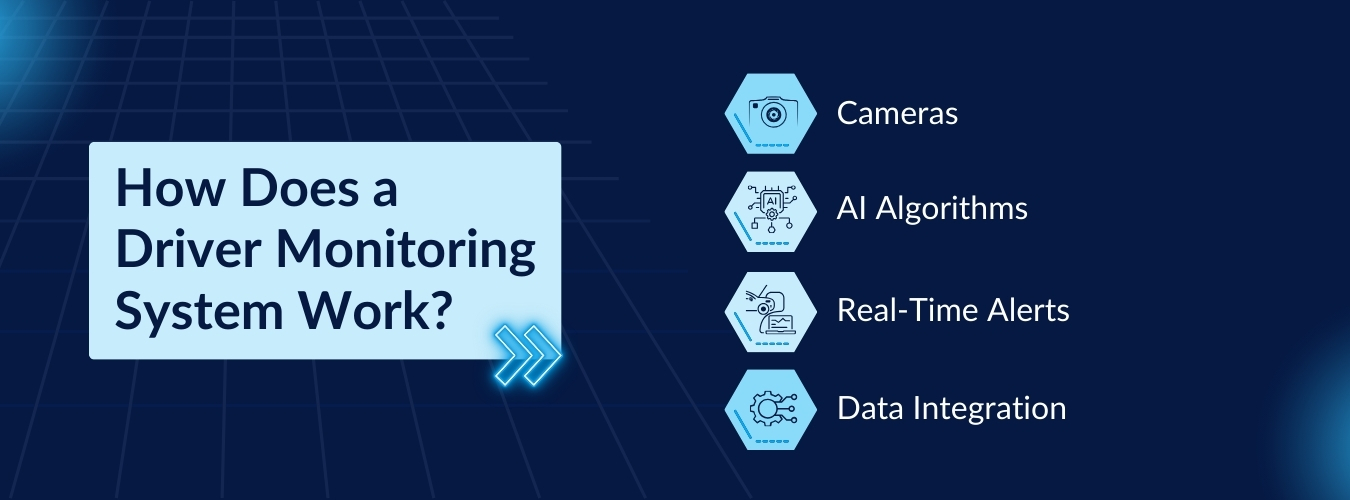
A DMS combines four components:
- Infrared camera: Tracks eyes, face and head position, day or night, including through most sunglasses.
- AI detection models: Read signals such as eye closure, yawning, gaze direction and phone use, and score the risk.
- In-cab alerts: Audio and visual warnings correct the driver within moments of a risky event.
- Fleet platform: Event clips, alerts and driver scores flow to a dashboard, where safety teams act on patterns rather than single incidents.
Discover how Driver Monitoring Systems revolutionize road safety.
Download our free brochure for expert insights and trends!
8 Advantages of Driver Monitoring Systems
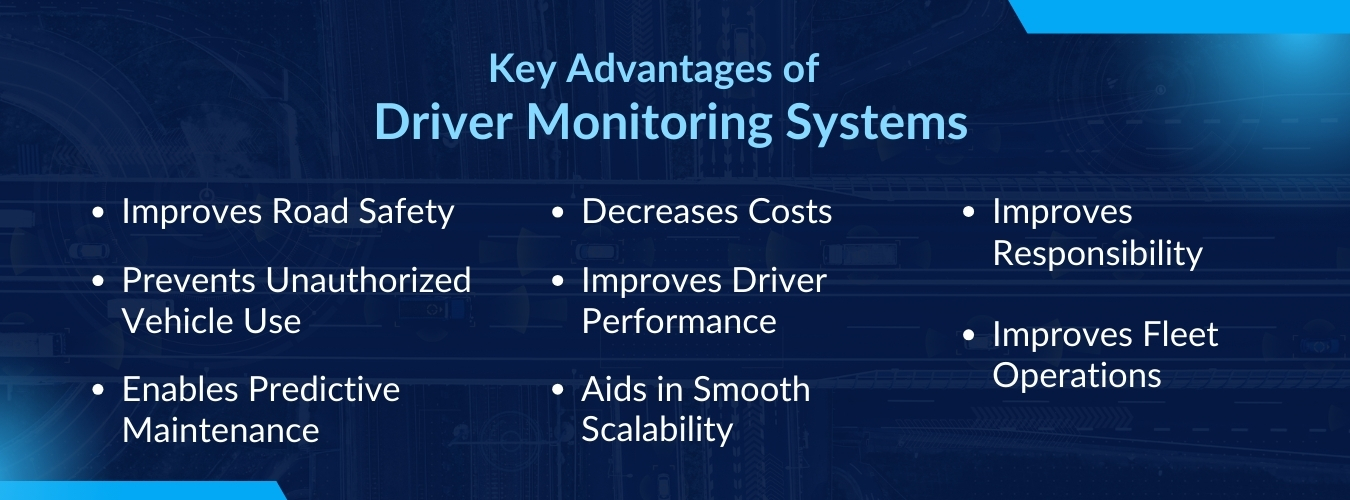
Principals of DMS advantages:
1. Catches Drowsiness Before a Microsleep
Fatigue builds gradually, and drivers are often the last to notice it. A DMS tracks eye closure, blink rate and head nods to detect drowsiness early. The driver gets a warning while there is still time to pull over, which matters most on night shifts and long-haul routes.
2. Cuts Distracted Driving
Phone use, smoking and long glances away from the road all raise crash risk. A DMS flags each of these as it happens, not at the end of the trip. Over time, drivers who know the system is watching adjust their habits.
3. Alerts the Driver and the Control Room
The in-cab alert corrects the driver in the moment. Repeat or high-severity events escalate to the fleet manager, so the control room can call the driver, reroute the vehicle or schedule a rest stop before an incident occurs.
4. Lowers Accident and Repair Costs
Every avoided crash saves repair bills, insurance claims, cargo losses and vehicle downtime. Fewer fatigue and distraction incidents mean fewer vehicles off the road waiting for repairs. Fleets also get documented safety data to bring into insurance renewal conversations.
5. Turns Driver Coaching into Data
Without monitoring, coaching relies on complaints and guesswork. A DMS builds a record of each driver’s events, so safety teams can see who needs training and on which behaviour. Coaching becomes specific and fair, and progress becomes measurable.
6. Provides Video Evidence for Disputes
When a crash or complaint is contested, event clips show what happened inside the cab. That protects careful drivers from false blame and gives fleet operators clear facts for claims, investigations and customer escalations.
Driver identification confirms the assigned driver is behind the wheel. This prevents untrained or unauthorised people from operating the vehicle and keeps accountability records accurate.
8. Keeps Fleets Ahead of Regulation
Driver monitoring is moving from optional to expected. The EU General Safety Regulation requires drowsiness and attention warning and advanced driver distraction warning on new vehicles. Fleets that adopt a DMS now are ready when similar rules reach their markets and when large shippers write safety tech into their contracts.
What DMS Benefits Mean for Fleet Managers
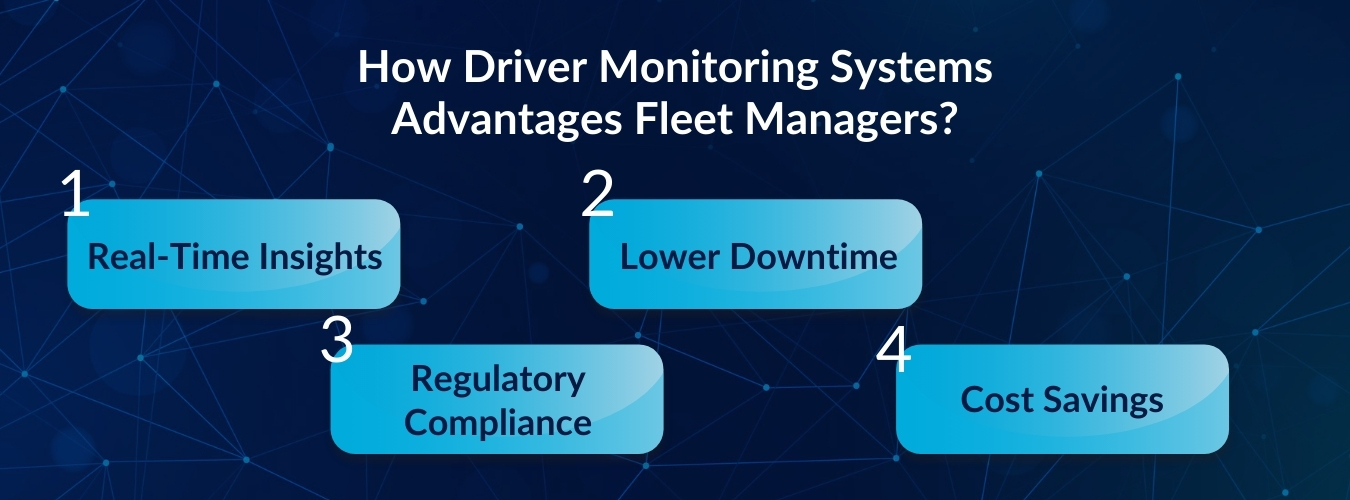
For fleet managers, a driver monitoring system turns safety from a reactive cost into a managed metric. Here is how the advantages translate into day-to-day operations:
- Safety KPIs you can track: Fatigue and distraction events per 1,000 km become reportable numbers for management and customers.
- Stronger insurance conversations: Documented risk reduction gives fleets evidence to bring to renewals.
- Compliance reporting: Event logs support internal audits and customer safety requirements.
- Better driver retention: Fair, data-led coaching and protection from false blame help keep good drivers. Learn more in our guide to truck driver retention.
A DMS works best as part of a wider fleet safety programme that also covers road-facing collision warnings.
Novus Hi-Tech’s Driver Monitoring System Solutions
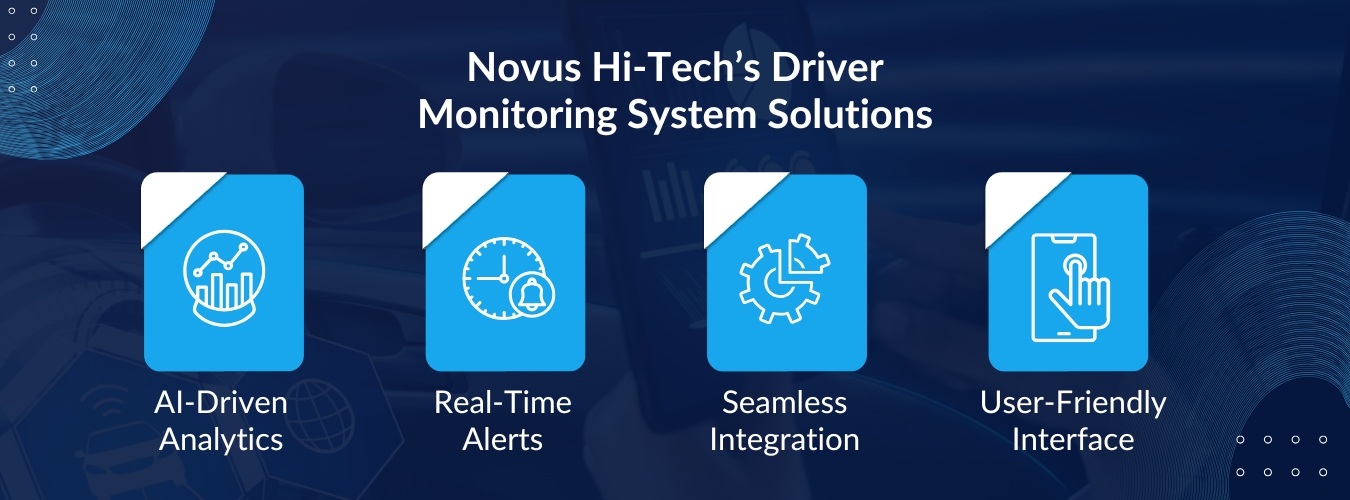
Novus Hi-Tech builds driver monitoring for two buyers:
- Fleet operators: Novus Safe Pro and Novus Safe Lite combine collision avoidance and driver monitoring in one aftermarket system. Both retrofit into existing trucks and buses.
- Vehicle OEMs: Novus Aware is an in-cabin monitoring system covering driver drowsiness, distraction, gaze, identification, occupancy and seat belt detection. It is designed for integration at the factory.
Both solutions are built for the road, traffic and climate conditions of India and the Middle East.
Talk to a fleet safety expert to see which driver monitoring setup fits your fleet.